
Pruning
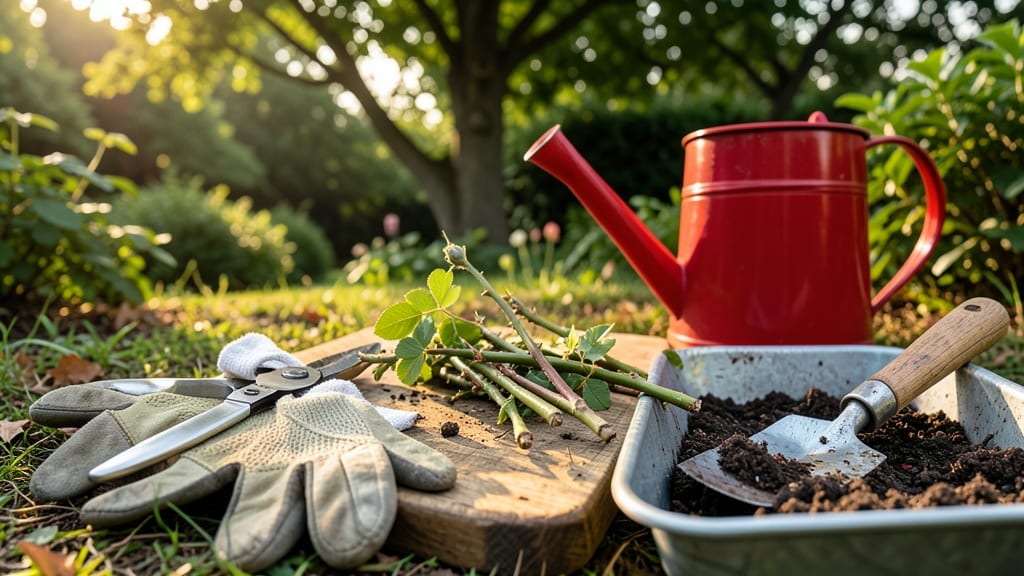
Cutting and replanting a rose bush can save struggling plants and create stronger blooms. ✂️ I’ve revived three dying roses this way—each one now thrives with better shape and more flowers. The key is timing, sharp cuts, and minimizing stress during the move.
Start by pruning in early spring or late fall when the plant isn’t actively blooming. Use clean, sharp pruners to make angled cuts just above a healthy bud or outward-facing branch. Remove any dead, diseased, or crossing branches first—they’ll only slow regrowth.
For replanting, dig a hole twice as wide as the root ball but no deeper, and amend the soil with compost to give roots a nutrient boost.
After replanting, water deeply to settle the soil and reduce transplant shock. Mulch around the base (but keep it away from the stem) to retain moisture and protect roots from temperature swings.
Within 4-6 weeks, you’ll see fresh green shoots signaling successful regrowth—proof the bush is adapting to its new home.
This method works for both shrub roses and climbers, though larger varieties may need staking for support. The payoff? A bush that blooms more abundantly and stays healthier longer. Ready to give it a try?
📚 In This Guide
- What you need
- Instructions
- Tips and common mistakes
- Wrapping up and next steps
What you need
- ● Pruning shears or loppers – Choose bypass pruners (sharp, clean-cutting blades) for clean cuts. A pair of loppers (16–24" handle) is ideal for thicker stems.
- ● Hand pruners – For smaller branches (¼" or less in diameter). Opt for ergonomic, bypass-style for precision.
- ● Garden gloves – Heavy-duty, cut-resistant (e.g., 12–14" length) to protect against thorns and dirt.
- ● Disinfectant (70% isopropyl alcohol or bleach solution) – 1 part bleach to 9 parts water to sterilize tools between cuts and prevent disease.
- ● Shovel or spade – A round-point shovel (10–12" wide) for digging up roots or a transplant spade (for larger bushes).
- ○ Pruning saw (optional) – For thick, woody stems (3" or larger in diameter). A curved-tooth pruning saw minimizes tear-out.
- ● Garden twine or zip ties – To temporarily secure large branches during transport.
- ● Wheelbarrow or tarp – For hauling cuttings or soil to the replanting site.
- ● Rooting hormone – Speeds up root growth for cuttings (e.g., powder or gel formula).
- ● Mulch (pine bark or compost) – 2–3 inches to retain moisture and protect roots post-replanting.
- ● Plant marker or stakes – Label new plantings if replanting multiple varieties.
- ● Watering can or hose with nozzle – For deep watering after replanting.
- ● Knee pad or stool – For comfort during long pruning sessions.
Step-by-Step instructions for pruning and replanting a rose bush
Here's the straightforward method I use every spring to refresh my roses—clean cuts and smart replanting guarantee stronger blooms all season.
✂️ Step 1: Gather Tools and Assess the Bush
You'll need sharp bypass pruners (dull blades crush stems and invite disease), a small shovel, and a bucket of soapy water for cleaning tools between cuts. I always work on a dry, sunny morning when the plant is fully hydrated—this prevents shock. Before cutting, scan the bush for dead, diseased, or crossing branches. Mark these with a piece of twine so you don't miss them.
Look for stems that are hollow, blackened, or oozing—these need immediate removal. Healthy canes feel firm and have a greenish center when cut open. If you see any suckers (shoots growing from the base), plan to remove those too—they drain energy from your roses.
✂️ Step 2: Make Clean Cuts at the Right Angles
Start by removing any dead or crossing branches first—they're the easiest to spot. Cut just above an outward-facing bud at a 45-degree angle, about ¼ inch above the bud. This angle helps water run off the cut instead of pooling. I always make my cuts slant downward away from the bud to prevent water from sitting on it.
For thicker stems, use your pruners to make two cuts: first a notch on the underside, then a full cut on top. This prevents the bark from tearing. Never leave stubs—stubs rot and attract pests. If you're unsure which buds are healthy, look for ones that face outward on the stem; these will grow into stronger branches.
🪴 Step 3: Dig Up and Prepare the Rose for Replanting
Use your shovel to dig a 12-inch circle around the base of the rose, going down 6-8 inches deep. This loosens the roots without damaging them. Gently lift the bush, shaking off excess soil to inspect the roots. Healthy roots are white or light tan; brown or mushy roots should be trimmed away with clean pruners.
If the roots are tightly bound, use your fingers to gently tease them apart. This prevents root circling, which can strangle the plant. Before replanting, soak the roots in a bucket of water for 10-15 minutes to rehydrate them. This step is critical if the soil was dry when you dug up the bush.
🌱 Step 4: Replant with Proper Spacing and Support
Dig a hole twice as wide as the root ball but no deeper than the original planting depth. This prevents the rose from sitting too low, which can cause rot. Mix the removed soil with 2 inches of compost and a handful of bone meal for phosphorus—this encourages strong root growth. Place the rose in the hole so the graft union (the bump near the base) is 2 inches above soil level.
Backfill with the amended soil, pressing gently to remove air pockets. Water deeply until the soil settles 1-2 inches, then add a 2-inch layer of mulch around the base, keeping it 6 inches away from the stem. Mulch retains moisture and regulates soil temperature, but too close to the stem invites rot. Install a stake now if you haven't already—roses need support as they regrow.
☀️ Step 5: Post-Pruning Care for Faster Recovery
Water the replanted rose every other day for 2 weeks, then taper to once a week once new growth appears. Avoid overhead watering—it spreads disease. I use a soaker hose to deliver moisture directly to the roots. Fertilize with a balanced 10-10-10 formula 4-6 weeks after replanting to support regrowth.
Watch for new leaves within 3-4 weeks—this is your sign the rose is recovering. If you see yellowing leaves, it's usually from overwatering or poor drainage. Prune any suckers that appear at the base immediately; they compete with your main plant for nutrients. With proper care, your rose will reward you with stronger stems and more blooms than ever before.
Tips & tricks for replanting rose bushes
Here's what I've learned after years of pruning and replanting—these tricks make all the difference in helping your roses thrive.
Tool Prep: Sterilize your pruners before you start by wiping them with rubbing alcohol or dipping them in boiling water. I do this between every cut to prevent spreading disease from infected canes to healthy ones. Sharp tools make cleaner cuts that heal faster—dull blades crush stems, inviting infection. Confession: I skipped this for years and wondered why some canes kept dying!
Timing Secret: The 10-15 minute root soak in Step 3 is non-negotiable for stressed canes. I use a bucket of water at room temperature—cold water shocks the roots, while warm water can encourage rot. For extra recovery support, add a rooting hormone powder to the soak water. This isn't required, but I've seen replanted canes establish 2-3 weeks faster when I use it.
Transplanting Technique: When planting your canes, I like to add a handful of mycorrhizal fungi to the hole before placing the cane. These beneficial soil organisms help roots establish faster by forming symbiotic relationships. You can find them at garden centers or online—just sprinkle a teaspoon into each planting hole. This is optional but gives your roses a real growth boost during their critical first weeks.
Post-Planting Care: After planting, I always water again 24 hours later to settle the soil around the roots. This second watering helps eliminate air pockets that could suffocate new root growth. For the first week, I water in the morning so any excess moisture evaporates during the day, reducing rot risk. This small habit has saved me from losing canes to soggy soil.
Pro Tips for Cut A Rose Bush To Replant
- Here's what I've learned after years of pruning and replanting—these tricks make all the difference in helping your r...
- Tool Prep: Sterilize your pruners before you start by wiping them with rubbing alcohol or dipping them in boiling wat...
- Timing Secret: The 10-15 minute root soak in Step 3 is non-negotiable for stressed canes. I use a bucket of water at ...
Frequently asked questions
about cutting and replanting a rose bush can help ease your mind and ensure a smooth process. Here are answers to common concerns:When is the best time to cut and replant a rose bush?
The ideal time to replant a rose bush is in early spring (before new growth starts) or late fall (after the first frost). Avoid pruning during active blooming seasons, as this can stress the plant. If you must replant in summer, do so on an overcast day to reduce water loss.
How do I know if I’m cutting the rose bush at the right height?
When pruning for replanting, aim to cut back one-third of the plant’s height to encourage new growth. For standard roses, trim to about 12–18 inches from the ground. For climbing roses, cut back to 3–4 feet to maintain shape. Always make cuts just above a bud or outward-facing branch for optimal regrowth.
Can I replant a rose bush in the same spot after cutting it back?
While possible, it’s not recommended to replant in the exact same spot due to soil depletion or disease buildup. If you must, amend the soil with compost and ensure proper drainage. For healthier growth, choose a new location with full sun (6+ hours daily) and well-draining soil.
What should I do if my rose bush looks sad after replanting?
If your rose bush appears wilted or stressed post-replanting, water deeply (1–2 inches per week) and avoid fertilizing for 4–6 weeks to reduce shock. Mulch around the base to retain moisture, and monitor for pests. Most roses recover within 2–4 weeks with proper care.
Will cutting back a rose bush reduce its blooms next season?
Not at all! Pruning stimulates new growth and often results in more abundant blooms the following season. By removing dead or crowded branches, you improve airflow and sunlight penetration, which encourages healthier flowers. Just avoid over-pruning—stick to 20–30% of the plant’s total growth per year.
Wrapping up and next steps
Cutting and replanting your rose bush might feel like a big task, but with the right tools and a little patience, you’ll be rewarded with vibrant, healthier blooms for years to come! 🌸 Remember, the key is timing—spring or early fall—and giving your plant the space it needs to thrive.
Now that you’re armed with these steps, go ahead and give your roses the fresh start they deserve.
Ready to take it further? Monitor your replanted rose over the next few weeks, and don’t hesitate to adjust care as needed. Happy gardening!