
Tools
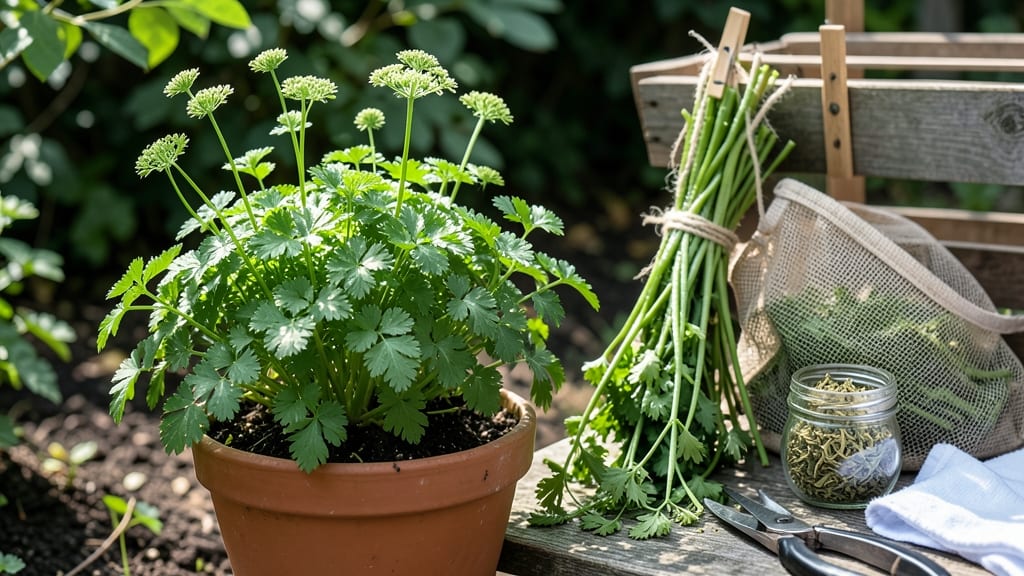
How to dry fresh parsley from the garden saves money and keeps flavor all year. ✨ The right method transforms wilted stems into vibrant, aromatic bundles that last months—no fancy equipment needed, just patience and a little space.
You’ll need fresh parsley stems, rubber bands or twine, and either a dry, dark spot or your oven. The air-drying method takes 1-2 weeks but preserves the most flavor, while oven-drying cuts that to 1-2 hours—perfect for impatient gardeners.
Microwave drying is the fastest at 30-60 minutes, though it’s less traditional.
Once dried, the leaves crumble easily into fine flakes, perfect for soups, sauces, or sprinkling over finished dishes. Store in airtight jars away from light, and you’ll have fresh-tasting parsley ready whenever you need it—no grocery store in sight.
This works for both curly and flat-leaf parsley, and the process is just as effective for small harvests as it is for large ones. The key? Start with fully mature stems and avoid overcrowding your drying space.
📚 In This Guide
- What you need
- Instructions
- Tips and common mistakes
- Wrapping up and next steps
What you need
- ● Fresh parsley: A generous harvest (about 1-2 cups of stems and leaves). Choose flat-leaf or curly parsley—both work well!
- ● Kitchen twine or rubber bands: 3-5 inches long (enough to bundle 10-15 stems tightly). Avoid plastic ties—they can damage the stems.
- ● Paper towels or clean kitchen towel: A single sheet to gently pat the parsley dry before bundling.
- ● A clean, dry workspace: A countertop or tray to lay out your parsley and tools.
- ● Drying location: Option 1: A well-ventilated, dark, and dry spot (like a pantry or closet) with a temperature between 60-70°F (15-21°C).
- ● Option 2: A sunny windowsill (if your climate is humidity-free and the temperature stays below 85°F (29°C)).
- ● Brown paper bags or mesh produce bags: To store dried parsley once fully dehydrated (prevents moisture buildup).
- ● Small glass jars or airtight containers: For long-term storage (label with the date!).
- ○ Dehydrator (optional): Set to 95°F (35°C) for faster drying (about 2-3 hours).
- ● Food processor or mortar & pestle: For grinding dried parsley into flakes or powder after drying.
- ● Humidity absorber (like silica gel packets): Place one in your storage container to keep parsley extra fresh.
Step-by-step instructions for drying fresh parsley from the garden
Preserving parsley this way locks in its vibrant flavor for months—here's how I do it every harvest.
🌿 Step 1: Harvest and Prepare the Parsley
Pick healthy stems with 3-4 inches of leaf growth on a dry morning after the dew has evaporated. Avoid wilted or yellowing leaves—they won't dry properly. I like to cut stems at a 45-degree angle just above a leaf node; this creates more surface area for water evaporation during drying.
Gently rinse the stems under cool water if they have garden soil, then pat them dry with paper towels. Remove any damaged or discolored leaves. The goal is to start with perfectly clean, dry stems—this prevents mold during the drying process. I bundle 4-5 stems together using a rubber band, creating a tight but not crushing grip around the stems.
🪴 Step 2: Bundle and Hang for Drying
Take one bundle and tie it securely with a rubber band about 2 inches from the leafy top. This creates a natural air gap that allows air to circulate around the leaves while keeping the stems intact. I hang these bundles upside down in a warm, dry, well-ventilated area—a pantry with a small fan works perfectly.
The ideal drying temperature is 70-80°F with low humidity. If your kitchen is too humid, place a small bowl of rice nearby to absorb excess moisture. It typically takes 1-2 weeks for the leaves to crisp up completely. You'll know they're ready when the leaves crumble easily between your fingers and the stems snap cleanly when bent.
⏰ Step 3: Test for Proper Dryness and Store
After 10-14 days, carefully remove one leaf from the bundle and crush it between your fingers. If it crumbles into a fine, dry powder with no moisture visible, your parsley is ready. If it still feels slightly damp or green, give it another 2-3 days of drying time. Over-drying turns parsley brittle and flavorless—aim for that perfect crisp texture.
Once fully dried, remove the rubber bands and gently strip the leaves from the stems. Store the dried leaves in an airtight container, away from direct sunlight. I like to keep them in small glass jars with tight-sealing lids, labeled with the date. Properly dried parsley retains its flavor for 6-12 months—though I usually use mine up within 6 months, as the flavor intensifies over time.
💧 Step 4: Optional Rehydration for Cooking
For maximum flavor, I often use dried parsley directly in recipes, but if you prefer the texture of fresh, you can rehydrate it. Simply place the dried leaves in a small bowl and cover with warm water for 10-15 minutes. The leaves will plump up and regain some of their original texture. Drain well before using in soups, sauces, or as a garnish.
Here's the thing—dried parsley actually has a more concentrated flavor than fresh, so use about 1/3 the amount called for in recipes. A pinch goes a long way! I keep a small jar of dried parsley on my spice rack for quick access during cooking, and it's become my go-to for adding brightness to dishes year-round.
Tips & tricks for perfectly dried parsley
Transforming fresh parsley into a pantry staple doesn't have to be guesswork—these insider tricks ensure you preserve that bright, fresh flavor for months.
Harvesting Matters: The secret to vibrant dried parsley starts in the garden. Pick stems when leaves are fully developed but before flowering—this is when their essential oils are at peak potency. I've learned the hard way that harvesting too early means weak flavor, while waiting too long can make leaves tough. Also, avoid harvesting after rain—wet stems can develop mold during drying.
Bundle Like a Pro: When securing your 6-8 stem bundles with twine or rubber bands, position the band about 2 inches from the base. This creates an anchor point that prevents the stems from splitting apart during drying. I've seen bundles come undone when the band was placed too close to the leaves, causing them to scatter all over the drying area.
Temperature and Airflow Control: While the ideal drying temperature is 50-60°F, I've found that consistency matters more than exact degrees. If your home fluctuates, consider using a small space heater with a thermostat to maintain this range. For humidity control, place a small dish of silica gel or uncooked rice near your drying area—it absorbs excess moisture without affecting the parsley's flavor.
Doneness Test: The crumble test is your best friend. When leaves crumble easily between your fingers and stems snap cleanly, they're ready. I've ruined batches by removing them too early—under-dried parsley turns bitter and loses its vibrant color. For extra assurance, gently pull a leaf from the stem; if it separates without resistance, your parsley is perfectly dried.
Pro Tips for Dry Fresh Parsley From The Garden
- Transforming fresh parsley into a pantry staple doesn't have to be guesswork—these insider tricks ensure you preserve...
- Harvesting Matters: The secret to vibrant dried parsley starts in the garden. Pick stems when leaves are fully develo...
- Bundle Like a Pro: When securing your 6-8 stem bundles with twine or rubber bands, position the band about 2 inches f...
Frequently asked questions
Got questions about drying parsley? Here are some common ones—and the answers to help you perfect your process!
How long does it take to dry parsley?
Drying parsley typically takes 1 to 3 weeks, depending on your climate and drying method. In warm, dry conditions (65–75°F), it can dry in 7–10 days. If humidity is high, it may take longer. Check for crispness—stems should snap easily when bent.
Can I speed up the drying process?
Yes! For faster drying, use a dehydrator (2–4 hours at 95°F) or a low oven (170°F for 1–2 hours). Just avoid high heat, which can turn parsley bitter. Air-drying is best for flavor retention, but these methods work in a pinch.
What if my parsley gets moldy before drying?
Mold is a sign of excess moisture. If you spot it, discard the bunch immediately. To prevent mold, ensure stems are completely dry before hanging and choose a well-ventilated, dark spot (like a pantry or closet) with good airflow.
How should I store dried parsley?
Store dried parsley in an airtight container (glass jars or resealable bags work best) in a cool, dark place. It keeps for 6–12 months. For longer freshness, freeze it in ice cube trays with water or oil—perfect for soups and stews!
Can I dry other herbs the same way?
Most herbs like thyme, oregano, and basil dry well with the bundle method. However, leafy herbs (cilantro, dill) dry faster and may crumble, so handle them gently. Woody stems (rosemary, sage) take longer—trim leaves and dry separately for best results.
Wrapping up and next steps
Drying fresh parsley from your garden is a simple yet rewarding way to preserve its vibrant flavor for months! Whether you’re a seasoned gardener or just starting out, hanging bundles is an easy, space-saving method that keeps your herbs ready for soups, sauces, and more.
With just a few tools and a little patience, you’ll enjoy homegrown parsley year-round—no waste, just delicious convenience. 🌿
Now that you’re equipped with the know-how, why not try it today? Grab a bunch of parsley, follow the steps, and soon you’ll have a pantry stocked with homemade, flavor-packed herbs. Happy drying—and happy cooking! 🍽️