
Pests
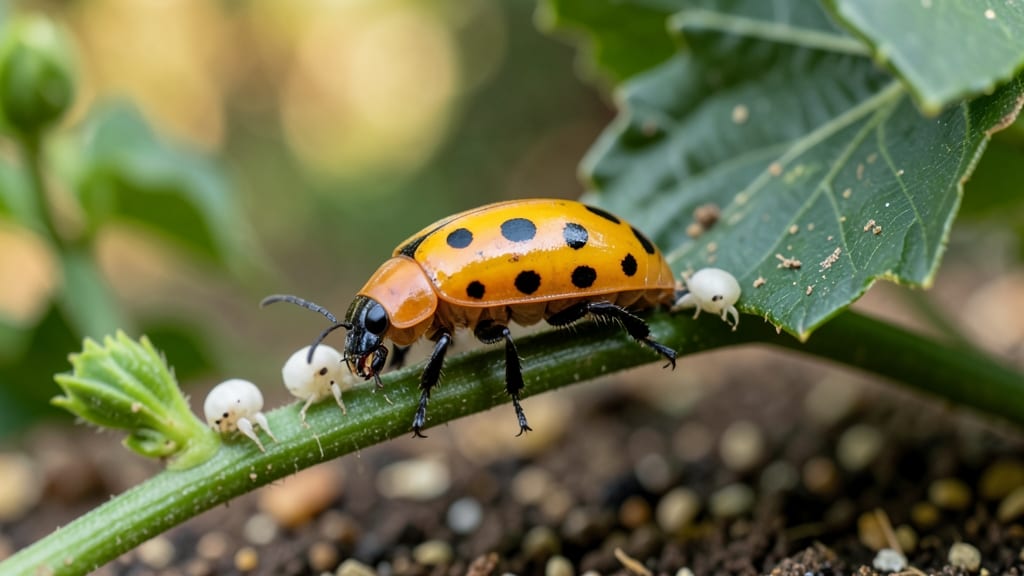
How to get rid of aphids on flowers—those tiny green monsters can suck the life out of your blooms in days. 🌿 I’ve battled aphids on roses, hydrangeas, and even my prized dahlias—and I’ve learned which sprays work fastest without harming bees or butterflies.
The key is acting immediately with a neem oil spray (1 teaspoon per quart of water) or soapy water (1 tablespoon mild dish soap per gallon).
Both smother aphids on contact while being safe for pollinators—just avoid spraying when bees are active. For severe infestations, repeat every 3-5 days until gone.
You’ll see results within 24 hours—aphids shrivel, drop off, and new growth stays clean. The secret? Consistency. One spray won’t cut it; you need to break their life cycle before they rebound. Plus, your flowers will rebound faster with a quick rinse afterward.
This method works for all flowering plants, from annuals to perennials, and keeps aphids from returning if you add preventive sprays monthly. No more sticky leaves or wilted blooms—just healthy, thriving flowers all season.
The Hidden Triggers Behind Aphids
If your flowers are suddenly covered in tiny, sap-sucking aphids, don’t blame bad luck—there’s always a reason. These pesky insects don’t just appear out of nowhere; they’re drawn to specific conditions that make your plants the perfect all-you-can-eat buffet.
Understanding why aphids target your flowers is the first step to stopping them in their tracks. Let’s break down the science behind their invasion.
Aphids thrive where plants are weak. When flowers are overcrowded, competition for nutrients, water, and sunlight forces them into a stressed state. Stress signals—like stunted growth, yellowing leaves, or wilting—release volatile organic compounds (VOCs) that aphids can detect from feet away.
These chemicals act like a dinner bell, luring them in.
- Why it happens: Weakened plants produce more sugary honeydew (aphid waste), which attracts ants—aphids’ natural bodyguards. The ants protect the aphids in exchange for honeydew, creating a toxic duo.
- Actionable insight: Thin out crowded plants, improve airflow, and ensure proper spacing to reduce stress. Healthy plants = fewer aphid parties.
Aphids have a voracious appetite for tender, new growth. Young leaves, buds, and shoots are packed with water and nutrients, making them aphid heaven. Once they find a fresh sprout, they’ll cluster there like teenagers at a pizza buffet—until it’s picked clean.
- Why it happens: New tissue has thinner cell walls, making it easier for aphids to pierce and suck sap. Plus, the high nitrogen content in young growth is like a five-star meal to them.
- Actionable insight: Monitor new shoots closely, especially after pruning or fertilizing. Remove heavily infested growth immediately to cut off their food source.
Aphids are cold-blooded (literally)—they rely on external temperatures to stay active. When spring and summer roll in, the warm air speeds up their metabolism, allowing them to reproduce at alarming rates.
High humidity also creates the perfect sticky environment for their honeydew waste, which can lead to sooty mold—a secondary (and unsightly) problem.
| Temperature Range | Aphid Activity Level | Reproduction Rate |
|---|---|---|
| Below 50°F (10°C) | Slow or dormant | Nearly zero |
| 50–70°F (10–21°C) | Moderate | Slower, but still breeding |
| Above 70°F (21°C) | Peak activity | Explosive growth (10–20 new aphids per adult per day!) |
Pro tip: 🌡️ If your area has mild winters, aphids may survive year-round, giving them a head start in spring. Stay vigilant during warm, humid months—that’s when they strike hardest.
You might not notice them, but ants and aphids have a symbiotic relationship. Ants “farm” aphids by herding them to the most nutrient-rich parts of your plants, protecting them from predators, and even carrying aphid eggs to new locations. In return, they feast on the aphids’ honeydew.
- Why it happens: Ants release pheromones that suppress natural predators (like ladybugs) of aphids, giving the pests a monopoly on your flowers.
- Actionable insight: Break this cycle by eliminating ant trails with barriers (like diatomaceous earth) or using ant baits away from your plants.
A messy garden is like a welcome mat for aphids. Debris, fallen leaves, and old plant matter provide hiding spots and overwintering sites. Even worse? They can harbor aphid eggs, which hatch when conditions are perfect.
- Why it happens: Aphids lay hundreds of eggs in protected areas, and these can survive drought, cold, or pesticides until the next growing season.
- Actionable insight: Practice regular garden cleanup—remove dead plants, weeds, and leaf litter—especially in fall and winter.
Now that you know why aphids are crashing your garden party, the next step is flipping the script with targeted, natural solutions. The good news? You’re already ahead of the game.
Quick Fixes for Aphid-Infested Flowers
Now that you know why aphids are attacking your blooms, let’s tackle the problem head-on with practical, effective solutions—no harsh chemicals required.
Below, we’ve mapped out the best fixes based on the root cause of your aphid outbreak, along with prevention tips to keep these pests from crashing your garden party again.
---
Aphids love weak, crowded plants where they can feast undetected. Revitalize your flowers with these steps:
#### 🔥 Prune and Thin Out - Remove heavily infested leaves or stems (drop them in a sealed trash bag—never compost them!). - Thin out overcrowded plants to improve airflow and sunlight exposure.
Aphids thrive in shady, damp spots, so more light = fewer hiding spots. - Focus on new growth: Aphids target tender shoots, so prune back soft, new growth to deter them.
#### 💡 Pro Tip: Boost Plant Health - Fertilize lightly with a balanced, organic fertilizer (like fish emulsion or compost tea) to strengthen plants. Avoid over-fertilizing—aphids adore nitrogen-rich, soft new growth! - Water at the base (not overhead) to keep foliage dry. Damp leaves attract aphids like a buffet.
#### 🌡️ Heat Them Out - Place a reflective mulch (like aluminum foil or white plastic) around plants. The heat repels aphids naturally. - Use row covers (fine mesh fabric) over young plants to block aphids before they arrive.
---
If aphids have already moved in, douse them with these DIY sprays—they’re safe for flowers, pets, and kids (but test on a small area first!).
#### 👨🍳 Homemade Soapy Water Spray (Best for Light Infestations) What you’ll need: - 1 quart (32 oz) water - 1 tsp mild liquid soap (like Castile or dish soap—no detergents!) - 1 tsp neem oil (optional, boosts effectiveness)
How to use: 1. Mix ingredients in a spray bottle. 2. Spray directly on aphids (focus on undersides of leaves where they hide). 3. Reapply every 2–3 days until gone. Soap disrupts their waxy coating, dehydrating them.
#### 🥘 Neem Oil Spray (Kills Eggs & Adults) Why it works: Neem oil disrupts aphid feeding and reproduction, making it great for heavy infestations.
Recipe: - 1 tbsp neem oil - 1 tsp honey or dish soap (helps it stick) - 1 quart warm water
Application: 1. Shake well before spraying. 2. Apply in the evening (neem oil breaks down in sunlight). 3. Spray every 5–7 days for 2–3 weeks to break their life cycle.
#### 🔪 Blasts of Water (Instant Relief) - Spray aphids off with a strong stream of water from a hose (early morning works best). - Repeat daily until they’re gone—this buys time for other treatments to work.
---
Once you’ve kicked them out, lock the door with these aphid-proofing strategies:
#### 🌱 Attract Aphid Predators - Ladybugs, lacewings, and parasitic wasps love aphids. Plant dill, fennel, or marigolds near flowers to attract them. - Avoid pesticides—they kill beneficial bugs too!
#### 🎯 Companion Planting - Garlic, chives, and onions repel aphids with their strong scent. - Basil and mint near roses can deter aphids naturally.
#### 💡 Weekly Inspections - Check undersides of leaves every 3–4 days. Catch aphids early before they multiply! - Remove yellowing leaves (aphids love weak spots).
#### ✨ Soil Health Matters - Healthy soil = strong plants. Add compost or worm castings to boost immunity. - Avoid synthetic fertilizers—they can make plants more aphid-friendly.
---
If aphids keep coming back despite your efforts: - Try a commercial horticultural oil (like Jardine or Safer’s Brand). - Introduce beneficial nematodes (microscopic worms that eat aphid eggs). - Replace severely infested plants if they’re beyond saving.
--- Remember: Consistency is key! Aphids reproduce fast, so stay vigilant and combine methods for the best results. With these fixes, your flowers will be aphid-free in no time—and your garden will thank you with bold blooms and happy pollinators! 🌸🐞🚫
Frequently asked questions about aphids on flowers
How do I know if my flowers have aphids?
Look for tiny green, black, or yellow insects clustered on stems or undersides of leaves. You’ll also spot sticky residue (honeydew) on leaves or white mold (sooty mold) if the infestation is severe. Check new growth first—aphids love tender shoots!
Will neem oil harm my flowers?
Not if used correctly! Dilute it properly (1 tbsp neem oil + 1 tsp soap per quart of water) and apply in the evening. Avoid spraying when bees are active, and always test on a small leaf first. Overuse can stress plants, so limit applications to every 5-7 days.
Why do aphids keep coming back after treatment?
They reproduce fast (10-20 new aphids per adult daily!) and hide in protected areas. Break their cycle by treating every 3-5 days for 2-3 weeks, removing infested growth, and attracting predators like ladybugs. Check soil too—aphids may be coming from nearby weeds.
Can I use vinegar to kill aphids?
Vinegar can help as a spot treatment (1:1 vinegar-water mix), but it’s not ideal for whole plants. It can burn leaves and harm beneficial insects. For best results, stick to soapy water or neem oil sprays—safer for your garden ecosystem and more effective long-term.
How do I prevent aphids from spreading to other plants?
Isolate infested plants immediately and clean tools with rubbing alcohol. Remove fallen leaves/debris where eggs may hide, and place reflective mulch (like aluminum foil) around healthy plants. Check new purchases for hitchhiking aphids before bringing them home!