
How To
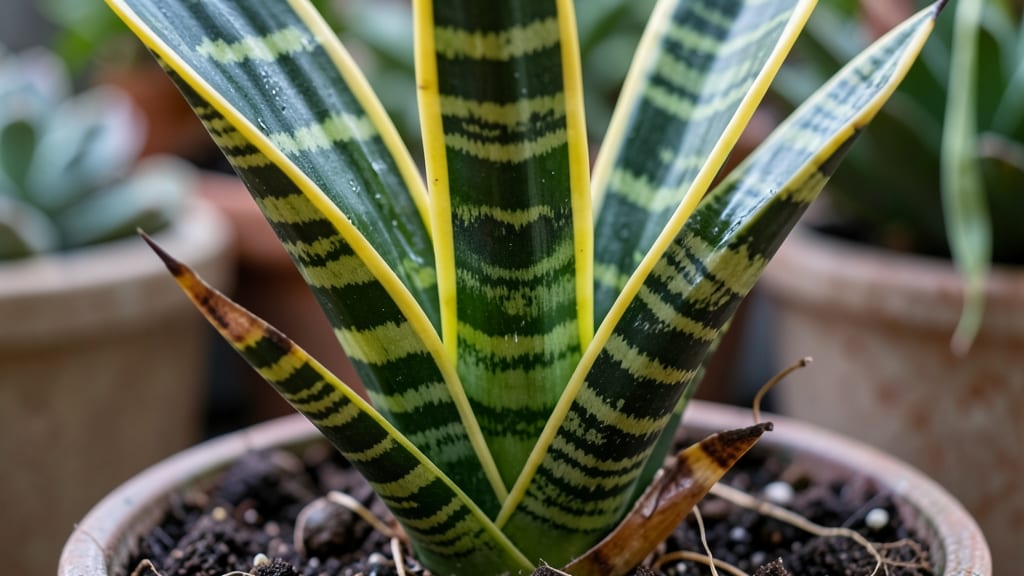
How to fix an overwatered snake plant—your drooping leaves don’t mean it’s dead, just thirsty for a break. ✨ I've nursed back more overwatered snake plants than I'd like to admit, and the first 72 hours are critical. The good news? With the right moves, you'll see firm, upright leaves returning faster than you think.
Start by stopping all watering immediately—snake plants are drought-tolerant survivors, and they'll bounce back once the roots recover. Check the soil: if it feels soggy or smells funky, your plant has been sitting in water for too long.
The goal is to let those roots dry out completely between waterings, which might mean waiting 3-4 weeks before watering again.
Repotting in fresh, fast-draining soil is often the game-changer. I use a mix of cactus/succulent soil with perlite or pumice to keep moisture from pooling. Within 3 days, you'll notice leaves starting to perk up as the roots stabilize—just don't rush the watering. Patience here prevents future rot.
Once recovered, adjust your routine: water only when the top 2-3 inches of soil are bone-dry, and always use pots with drainage holes. Your snake plant will thank you with those signature upright leaves for years to come. Trust the process—it works every time.
📚 In This Guide
- What you need
- Instructions
- Tips and common mistakes
- Wrapping up and next steps
What you need
- ● Well-draining potting mix: 2–3 gallons (or enough to repot your plant). Look for a cactus/succulent blend or mix with perlite, pumice, or orchid bark (50% potting soil + 50% amendment).
- ● Clean pot with drainage holes: 1–2 inches larger in diameter than the current pot (terracotta or ceramic preferred).
- ● Watering can or spray bottle: With a narrow spout for precision (avoid soaking the soil!).
- ● Trowel or small shovel: For gently removing the plant without damaging roots.
- ● Pruning shears (sterilized): To trim mushy or yellowed leaves.
- ○ Rooting hormone: Optional for encouraging healthy regrowth if roots are severely damaged.
- ● Hydrogen peroxide (3% solution): 1 part peroxide to 10 parts water—dip roots in to prevent rot during repotting.
- ● Moisture meter: To check soil moisture accurately (saves guesswork!).
- ● Peat moss or coconut coir: For amending heavy soil if needed.
Step-by-Step instructions for reviving an overwatered snake plant
Here’s how I turn mushy, droopy snake plants back into thriving, upright beauties—no matter how bad the damage looks.
🪴 Step 1: Remove the Plant from Its Pot and Assess the Damage
Gently slide the snake plant out of its pot and give the roots a close look. Healthy roots are firm and white, but overwatered roots turn black, mushy, and smell sour. Use clean, sharp scissors to trim away any soft, dark roots—don’t worry, the plant will grow new ones.
If the soil smells like rot or feels slimy, it’s time for a full reset. I like to rinse the roots under lukewarm water to remove old, soggy soil. This helps the plant wake up faster. Place the plant on a clean towel to dry while you prep the fix.
💧 Step 2: Repot in Fresh, Fast-Draining Soil
Fill a pot with 1-2 inches of fresh, well-draining potting mix—snake plants hate moisture, so avoid regular garden soil. I mix in a handful of perlite or coarse sand to boost drainage. Tap the pot gently to settle the soil without compacting it too much.
Position the plant so the base sits just below the rim of the pot. The roots should spread naturally without being forced. If the plant feels wobbly, add a little more soil around the edges to stabilize it. Water lightly only if the soil feels completely dry to the touch—this prevents further rot.
☀️ Step 3: Provide Bright, Indirect Light and No Water for 3 Days
Place the repotted snake plant in a spot with bright, indirect light—think near a window with sheer curtains. Direct sun can stress the plant further, so avoid harsh afternoon rays. You’ll notice the leaves start to perk up within 24-48 hours as they dry out.
Resist the urge to water! Snake plants store water in their leaves, so they can go without for weeks. After 3 days, check the soil with your finger—if it’s dry 1 inch down, give it a very light drink. Overwatering again is the fastest way to kill it.
✂️ Step 4: Prune Damaged Leaves and Monitor Recovery
Snip off any leaves that are completely mushy or yellowed at the base with clean scissors. Healthy leaves will firm up within 5-7 days, but don’t rush—let the plant focus on root recovery first. You’ll see new growth emerging from the base as a sign it’s back on track.
After a week, resume your normal watering schedule: water only when the soil is bone-dry. I use a moisture meter to avoid guesswork—snake plants are forgiving once they’ve dried out, but they’ll never bounce back if you keep them soggy.
Tips & tricks for reviving an overwatered snake plant
Real talk: Even the toughest snake plants can look like sad puddles after too much water. Here's how to turn that around without losing hope.
Root Rescue: When you're trimming those black, mushy roots in Step 1, don't be shy about going deep. Healthy roots should be firm and white—anything darker than pale cream needs to go. I've seen people hesitate and keep some questionable roots, only to have the plant decline again. Trust me on this: the plant will regrow better roots faster than you think.
Soil Makeover: In Step 2, that 1-2 inches of fresh potting mix is non-negotiable, but here's the secret: mix in a handful of perlite or coarse sand for every 2 inches of soil. This creates air pockets that prevent future waterlogging. I use a ratio of 60% potting mix to 40% perlite for my snake plants, and they've never looked back.
Light Strategy: That bright, indirect light in Step 3 is crucial, but here's what nobody tells you—snake plants actually prefer slightly dimmer conditions when recovering. If you notice leaves curling toward the light source after 24 hours, move it back about 6 inches. This prevents sunburn while still giving them the energy they need to bounce back.
Pruning Precision: When you're snipping those mushy leaves in Step 4, cut at a 45-degree angle just above a leaf node. This encourages new growth from the base while keeping the plant looking tidy. I always use clean scissors and wipe them with rubbing alcohol between cuts to prevent spreading any potential infections.
Pro Tips for Fix An Overwatered Snake Plant
- Real talk: Even the toughest snake plants can look like sad puddles after too much water. Here's how to turn that aro...
- Root Rescue: When you're trimming those black, mushy roots in Step 1, don't be shy about going deep. Healthy roots sh...
- Soil Makeover: In Step 2, that 1-2 inches of fresh potting mix is non-negotiable, but here's the secret: mix in a han...
Frequently asked questions
Got questions about saving your overwatered snake plant? You’re not alone—these tough plants can still need a little TLC! Here are some common concerns and quick fixes to get your Sansevieria back to its glorious, upright self.
How do I know if my snake plant is overwatered vs. underwatered?
Overwatered snake plants show soft, mushy leaves (especially at the base), yellowing, or a foul smell from the soil. Underwatered ones have crispy, brown edges and feel dry to the touch. Stick your finger 2 inches into the soil—if it’s damp, it’s overwatered!
How long does it take for a snake plant to recover from overwatering?
With proper care (drying out the soil, trimming dead leaves, and adjusting your watering schedule), you’ll often see improvement in 3–7 days. Severe cases may take weeks, but new growth will signal a full recovery. Patience is key—snake plants are resilient!
Can I save a snake plant with root rot from overwatering?
Yes, but act fast! Remove the plant from the pot, trim away black, mushy roots with sterilized scissors, and repot in fresh, well-draining soil. Let it dry out completely between waterings. If most roots are healthy, it’ll bounce back! Pro tip: Add perlite or orchid bark to prevent future rot.
How often should I water a snake plant after fixing overwatering?
Let the soil dry out completely before watering again—usually every 2–4 weeks, depending on humidity and light. In winter, water even less! Test the soil with your finger or a moisture meter to avoid repeating the mistake.
Will my snake plant grow back if all the leaves turn yellow and mushy?
Don’t panic! If the roots are still healthy, new leaves will sprout from the base. Trim the dead foliage to redirect energy to recovery. Keep conditions stable (bright, indirect light; minimal water), and your plant will reward you with fresh growth.
Wrapping up and next steps
Reviving an overwatered snake plant is totally doable—just follow the steps we’ve shared!
By adjusting your watering habits, improving drainage, and giving your plant time to recover, you’ll see those droopy leaves perk up in no time. Don’t let a little setback discourage you—snake plants are resilient, and with patience, they’ll bounce back stronger than ever.
Now that you’ve got the fix down, why not level up your plant care game? Try learning about optimal lighting conditions or exploring other hardy houseplants to expand your green collection. Happy growing! 🌱