
How To
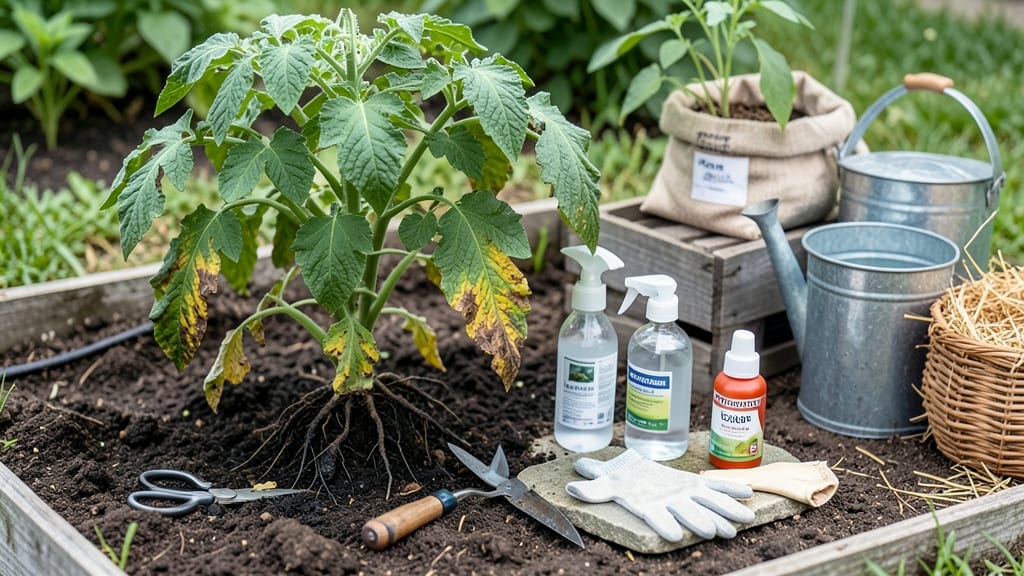
Your plants' yellowing leaves aren’t just sad—they’re screaming for help when you need to fix root rot in outdoor plants. Root rot turns soil into a suffocating swamp, and once it starts, it spreads fast.
But here's the good news: you can turn things around with the right moves, even if your soil feels like mush already.
First, stop watering like it's a desert. Root rot thrives when soil stays soggy for days—most plants need well-draining soil and water only when the top 2 inches feel dry.
Prune away black, mushy roots and any leaves showing stress. Then, mix in perlite or coarse sand to break up compacted soil and help roots breathe again.
Within 2-4 weeks, you'll see new green growth as roots recover. The key is balancing moisture—think of soil like a sponge, not a swamp. For stubborn cases, hydrogen peroxide (3%) sprayed on roots can kill fungus without chemicals, but prevention is easier: raise beds, improve drainage, and avoid overwatering.
This isn't just about saving plants—it's about fixing your soil for good. Healthy roots mean stronger plants that fight disease naturally. Let's get your garden back in shape without the guesswork.
Root Rot’s Hidden Triggers
Root rot isn’t just a random plant villain—it’s the result of a perfect storm of moisture, oxygen deprivation, and microbial overgrowth. Understanding why it happens is the first step to stopping it before it wipes out your garden.
Below, we break down the science behind the most common causes, so you can spot the warning signs early and take action.
Plants need water, but too much turns their roots into a soggy, oxygen-starved mess. When soil stays saturated for days (or weeks), roots can’t breathe—literally. Here’s how it plays out:
- Poor Drainage: Compacted or clay-heavy soil holds water like a sponge, suffocating roots. Even "well-draining" mixes can fail if amended incorrectly (e.g., too much peat moss without perlite).
- Frequent Watering: Watering on a schedule (e.g., daily for thirsty plants like tomatoes) without checking soil moisture creates a cycle of wetness. Pro tip: Stick your finger 2 inches deep—if it’s damp, wait.
- Rain + Poor Drainage = Disaster: Outdoor plants in raised beds or containers without drainage holes are especially vulnerable. A single heavy rainstorm can trigger rot if the soil doesn’t dry within 24–48 hours.
Science alert: Anaerobic conditions (no oxygen) force roots to switch from aerobic respiration (which produces energy) to fermentation—a process that releases toxic byproducts like ethanol and lactic acid. Yep, your plant is basically getting drunk.
Tight, dense soil acts like a water trap, blocking airflow and trapping moisture. Common culprits:
- Heavy Clay Soil: Clay particles pack tightly, reducing pore space for oxygen. Even "improved" clay soil can compact over time, especially under foot traffic or machinery.
- Lack of Organic Matter: Soil with <1% organic material (like compost or aged manure) drains poorly and repels water instead of absorbing it. Think of it like trying to drink through a straw clogged with mud.
- Foot Traffic or Construction: Walking on garden beds or driving over root zones compresses soil, crushing the air pockets roots rely on.
Test it: Dig a 6-inch hole. If the soil feels like a brick when dry or oozes water when wet, it’s compacted. The fix? Amend with coarse sand, perlite, or compost to loosen it up.
Root rot isn’t always about water—sometimes, it’s about who’s living in your soil. Pathogens thrive in wet conditions and can turn healthy roots into a buffet:
- Phytophthora & Pythium: Water mold fungi that spread like wildfire in soggy soil. They produce spores that infect roots, clogging xylem (the plant’s water transport system) and causing wilting—even when the soil is moist.
- Erwinia & Pseudomonas: Bacteria that multiply rapidly in warm, waterlogged soil. They produce toxins that rot roots and spread through soil or contaminated tools.
- Old Plant Debris: Leaving dead roots or mulch too close to live plants creates a pathogen highway. Pro tip: Sterilize pruners with rubbing alcohol between cuts to avoid spreading disease.
Red flag: If your plant wilts despite wet soil, or you see dark, mushy roots with a foul smell, pathogens are likely the culprit. Act fast—these spread faster than weeds.
Containers are supposed to be convenient, but they’re also root rot magnets if you ignore these pitfalls:
- No Drainage Holes: Zero escape route for excess water = roots drowning within hours. Even "self-watering" pots can trap moisture if the reservoir isn’t emptied regularly.
- Small or Shallow Pots: Roots outgrow the space, circling the bottom where they sit in stagnant water. Rule of thumb: Upgrade pots as plants grow—aim for 2–3 inches larger in diameter each season.
- Cheap or Glazed Pots: Some materials (like unglazed terracotta) wick away moisture, while others (like plastic) trap heat and humidity, creating a fungal paradise.
DIY fix: Drill drainage holes in plastic pots if needed, and elevate containers on feet or saucers to improve airflow. Never let plants sit in saucer water overnight.
Now that you know the why, the next step is spotting the signs early—before your plant’s roots turn to mush. Keep reading to learn how to diagnose root rot in your outdoor plants.
Solutions That Work for Root Rot
Root rot is a serious issue, but with the right steps, you can nurse your plants back to health—or even prevent it from happening in the first place. Below, we break down practical fixes based on the most common causes of root rot in outdoor plants.
Follow these steps to diagnose, treat, and protect your greenery before it’s too late.
---
Before diving into fixes, confirm what’s causing the rot.
Use this quick guide: - Overwatering? Soil feels soggy even 1–2 inches down. - Poor drainage? Water pools on the surface or runs off quickly. - Compacted soil? Roots struggle to breathe—tap the soil gently; if it’s hard, drainage is likely blocked. - Fungal infection? Black, mushy roots with a foul smell.
Once you’ve pinpointed the issue, move to the targeted fix below.
---
#### 🔥 H3: Stop the Waterlogging Immediately If your plant’s roots are drowning, halt watering for 3–5 days to let the soil dry out.
This gives roots a chance to recover before they rot further. - Pro tip: 💡 Use a moisture meter to check soil dampness—aim for "damp but not wet."
#### 🍳 H3: Improve Soil Drainage (Permanent Fix) Root rot thrives in waterlogged soil. Amend your garden beds or pots with these materials: - For garden beds: - Mix in compost (20–30%) to improve aeration. - Add perlite, coarse sand, or grit (1 part to 3 parts soil) to break up clay. - Consider raising beds if your yard has heavy clay or poor drainage. - For potted plants: - Repot into a container with drainage holes (if not already present). - Use a well-draining potting mix (avoid peat-heavy blends). - Add a 1-inch layer of gravel or expanded shale at the bottom for extra drainage.
#### 👨🍳 H3: Adjust Your Watering Habits - Water deeply but less often. Aim for 1–2 inches per week (check rainfall + irrigation). - Water in the morning to reduce evening moisture buildup (fungi love damp, cool nights). - Use drip irrigation or soaker hoses instead of overhead sprinklers to avoid wetting foliage.
---
#### 🔪 H3: Prune Damaged Roots & Soil 1. Remove the plant from its pot or dig it up carefully. 2. Rinse roots with water to reveal the extent of rot. 3. Trim black, mushy roots with sterilized scissors (dip in rubbing alcohol between cuts).
4. Disinfect the pot (if repotting) with a 10% bleach solution (1 part bleach to 9 parts water), then rinse.
#### 🌡️ H3: Fungal Treatment Options - Hydrogen peroxide (3%): Soak roots in a 1:10 dilution (1 part peroxide to 10 parts water) for 10 minutes to kill fungi. - Fungicide spray: Use a copper-based or phosphite fungicide (like Serenade Garden or Neem Oil) on remaining roots and soil. - Beneficial microbes: Add mycorrhizal fungi or Trichoderma to the soil to outcompete harmful pathogens.
#### ⏰ H3: Give Your Plant Time to Recover - Repot in fresh, sterile soil (sterilize by baking at 200°F for 30 minutes or using pasteurized mix). - Hold off on fertilizing for 2–4 weeks—roots need to heal before absorbing nutrients. - Monitor closely for new signs of rot (yellowing leaves, wilting).
---
#### 💡 H3: Soil & Site Prep - Test your soil’s drainage before planting.
A simple percolation test works: - Dig a 12-inch hole, fill with water, and time how long it takes to drain. Ideal: 4–6 hours. - Avoid planting water-loving species (like ferns or hostas) in soggy spots—opt for drought-tolerant plants (lavender, sedum, or rosemary) instead.
#### 🎯 H3: Smart Planting Choices - Group plants with similar water needs together to avoid over- or under-watering. - Choose containers with drainage holes—even decorative pots can be modified with hidden drainage systems. - Mulch properly: Use wood chips or straw (2–3 inches deep) to retain moisture without suffocating roots.
#### ✨ H3: Regular Maintenance Checks - Inspect roots every 3–6 months, especially for potted plants. - Aerate compacted soil annually with a garden fork. - Rotate crops in garden beds to prevent fungal buildup (don’t plant the same species in the same spot yearly).
---
Need a snapshot? Here’s what to do based on your plant’s symptoms:
| Symptom | Likely Cause | Immediate Fix | Long-Term Solution | |---------------------------|---------------------------|--------------------------------------------|------------------------------------------| | Yellow leaves, soggy soil | Overwatering | Stop watering, improve drainage | Adjust watering schedule, amend soil | | Black mushy roots | Fungal infection | Prune roots, disinfect, repot | Use fungicide, boost soil microbes | | Slow growth, stunted roots| Compacted soil | Loosen soil, add perlite/sand | Raise beds, test drainage before planting|
--- Remember: 🌱 Root rot is often reversible if caught early. Act fast, adjust your care routine, and your plants will bounce back—stronger and healthier than before!
Frequently asked questions
Can I save a plant with root rot if most of its roots are mushy?
You might still save it if you act fast! Trim away all black, mushy roots with sterilized scissors, then soak the remaining healthy roots in a 1:10 hydrogen peroxide solution for 10 minutes to kill fungus. Repot in fresh, sterile soil with perlite for drainage, and stop watering for 3-5 days to let roots recover.
How often should I check my outdoor plants for early signs of root rot?
Check potted plants every 3-6 months and garden beds annually, especially after heavy rains. Look for yellowing leaves, wilting despite moist soil, or a foul smell when digging. Early action means better recovery chances! Early signs like slow growth or leaf drop often appear before visible root damage.
What's the best way to test if my soil drains properly before planting?
Do a simple percolation test: Dig a 12-inch hole, fill with water, then time how long it takes to drain. Ideal drainage takes 4-6 hours. If water disappears in under an hour, your soil drains too fast (add compost). If it takes days, amend with coarse sand or perlite.
Will adding more compost always fix drainage problems?
Not always! While compost improves soil structure, heavy clay soils still need coarse sand or perlite (1 part to 3 parts soil) to break up compaction. Test your soil first—if it feels like a brick when dry, you need more than just compost. Think of it like adding straws to a clogged sink: you need the right tools for the job.
Can I use coffee grounds to help with root rot?
Fresh coffee grounds can actually make root rot worse—they're acidic and decompose quickly, creating a soggy environment. Instead, use composted coffee grounds (aged 6+ months) in small amounts (10% of soil mix) for nutrients, or skip them entirely. For drainage, focus on perlite or sand instead.