
Pests
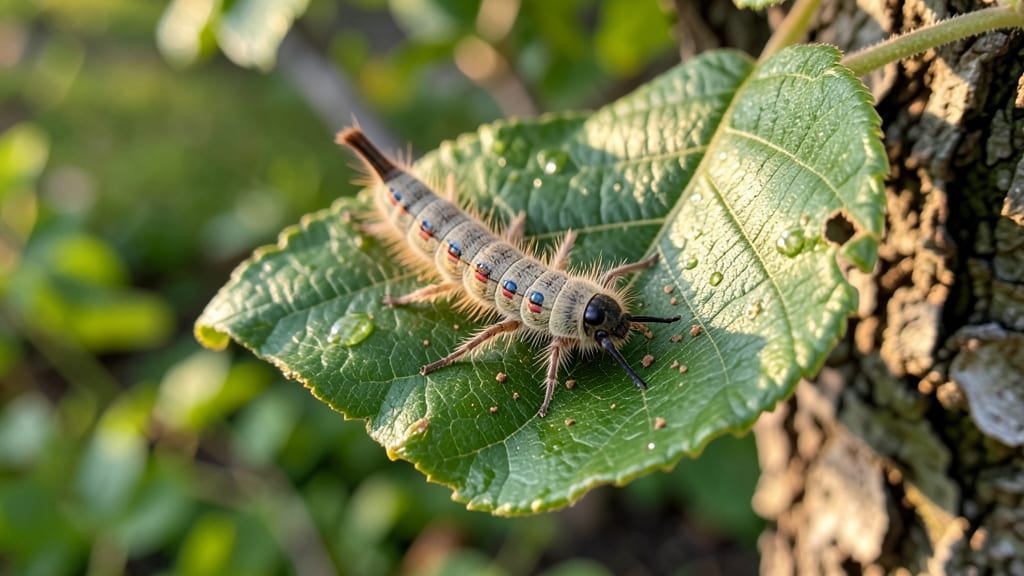
How to get rid of caterpillars in trees before they strip your foliage in days? 🌿 I’ve seen entire branches defoliated overnight—and I’ll show you how to stop it fast without harsh chemicals. The key is acting immediately with targeted organic sprays that work within hours, plus manual removal tricks that actually prevent regrowth.
Most people wait until the damage is obvious, but caterpillars multiply quickly. My go-to mix of neem oil, insecticidal soap, and kaolin clay disrupts their feeding within 24-48 hours, and it’s safe for birds and bees.
For severe cases, I’ll walk you through Bt spray—a biological control that’s gentle but deadly to caterpillars.
You’ll see results fast: fewer chewed leaves, healthier foliage, and trees that bounce back stronger. The secret? Timing—spray when caterpillars are small, and reapply after rain. I’ll also share how to attract natural predators like parasitic wasps and birds to keep them away long-term.
Whether you’re dealing with tent caterpillars, gypsy moths, or loopers, this method works for all common tree pests. No more helplessly watching your yard turn into a caterpillar buffet—let’s turn the tide.
Root Causes Of Caterpillar Infestations
Caterpillars aren’t just random pests—they’re often drawn to your trees for very specific reasons. Understanding why they show up in the first place is the first step toward keeping them away for good.
Below, we break down the most common triggers, backed by science, so you can address the problem at its source.
Caterpillars are plant specialists, meaning they thrive on specific trees and shrubs they’ve evolved to eat. If your yard is a caterpillar buffet, they’ll stick around until the food runs out. Here’s why this happens:
- Lack of natural predators: Without birds, parasitic wasps, or beneficial insects to keep populations in check, caterpillars multiply unchecked. 🦋🐦
- Monoculture landscaping: Planting the same species (e.g., oak, apple, or willow trees) creates a caterpillar paradise. Diversity disrupts their life cycle.
- Young, tender leaves: New growth is a caterpillar’s favorite snack—high in water and nutrients, making it irresistible. 🍃
Actionable insight: If your trees are a caterpillar magnet, consider replacing or pruning heavily infested branches. For long-term control, introduce native plants that caterpillars avoid (like lavender or rosemary).
Caterpillars follow a predictable life cycle, and their numbers explode at certain times of year. Here’s the science behind their seasonal surges:
| Season | Why Caterpillars Strike | Peak Activity |
|---|---|---|
| Spring | Eggs laid the previous fall hatch as temperatures rise. Warmth and moisture trigger rapid growth. ❄️→🌱 | April–June |
| Summer | Long daylight hours and consistent warmth fuel their appetite. They shed skins 4–5 times to grow. ☀️🔥 | June–August |
| Fall | Caterpillars prepare for pupation (turning into moths/butterflies). They eat even more to store energy. 🍂🐛 | September–October |
Pro tip: Monitor your trees in late spring and early fall—these are the windows when caterpillars are most vulnerable to intervention. 🕵️♂️
Sometimes, we unintentionally create the perfect caterpillar haven. Here’s how:
- Over-fertilization: Nitrogen-heavy fertilizers make leaves softer and more nutritious, speeding up caterpillar growth. 🌱💥
- Pesticide resistance: Broad-spectrum sprays kill natural predators (like ladybugs and lacewings), leaving caterpillars unchecked. 🚫🐞
- Urbanization: Fewer wild predators in cities mean caterpillars face less competition for resources. 🏙️🐛
- Climate change: Warmer winters and longer growing seasons extend caterpillar breeding seasons. 🌡️🔥
Key takeaway: If you’ve used harsh chemicals in the past, caterpillars may now see your trees as a safe zone. Switch to organic, targeted solutions to restore balance.
Stressed trees are weaker defenders against pests. When trees are struggling, caterpillars detect it and move in. Common stressors include:
- Drought: Water-stressed trees produce more sugars in leaves to survive, making them sweeter (and more appealing) to caterpillars. 💧🚫
- Poor soil health: Compacted or nutrient-deficient soil weakens trees, making them easier targets. 🌱💀
- Disease or pests already present: Trees fighting off other issues (like aphids or fungal infections) are too busy to fend off caterpillars. 🦠🐛
Solution: Improve tree health with mulching, deep watering, and soil amendments (like compost). A healthy tree is a less appealing buffet for caterpillars. 🌿💪
Solutions That Actually Work
Now that you know why caterpillars are invading your trees, let’s tackle the problem with effective, organic, and long-term solutions. Whether you’re dealing with voracious defoliators like tent caterpillars, gypsy moths, or bagworms, these methods will help you restore your trees to full, lush health—without harsh chemicals.
---
#### 🔥 Remove Heavy Infestations by Hand If your tree is severely damaged (more than 50% defoliation), manual removal is the fastest way to stop the spread. - Best for: Tent caterpillars, gypsy moth larvae, and smaller caterpillar clusters. - How to do it: 1. Wear gloves (some caterpillars have irritating hairs or spines).
2. Shake branches over a large tarp or bucket filled with soapy water (1 gallon water + 1 tbsp dish soap). 3. Dispose of caterpillars immediately—do not compost them (they’ll just hatch again!).
4. Focus on egg masses (look for fuzzy, gray, or brown clusters on bark or branches) and scrape them into soapy water.
✨ Pro Tip: Do this early in the morning when caterpillars are sluggish and easier to dislodge.
---
If hand-picking isn’t feasible (or the tree is too tall), organic sprays are your best bet for quick knockdown while being safe for pets and pollinators.
#### 👨🍳 DIY Spray Recipes That Work in Hours | Spray Type | Ingredients | How to Apply | Best For | |----------------------|------------------------------------------|---------------------------------------------------------------------------------|----------------------------------| | Neem Oil Spray | 1 tbsp neem oil + 1 tsp dish soap + 1 quart water | Spray evenly on leaves and bark (avoid direct sun—spray at dusk or dawn). | Gypsy moths, tent caterpillars | | Bt (Bacillus thuringiensis) Spray | 1 tbsp Bt powder + 1 quart water | Mix and spray directly on caterpillars (avoid beneficial insects). | Young caterpillars (safe for bees) | | Spinosad Spray | 1 tsp spinosad concentrate + 1 quart water | Spray foliage thoroughly (reapply after rain). | Bagworms, tomato hornworms | | Garlic & Chili Pepper Spray | 1 chopped garlic bulb + 1 tbsp cayenne + 1 quart water (steep 24 hrs, strain) | Spray leaves and stems—reapply every 3-5 days. | General caterpillar deterrent |
💡 Pro Tip: Reapply sprays every 5-7 days (or after rain) for best results. Neem oil works best as a preventative, while Bt is great for active infestations.
---
The key to eliminating caterpillars for good is breaking their life cycle. Here’s how:
#### 🎯 Early Season Scouting & Egg Mass Removal - When: Late fall to early spring (caterpillars lay eggs in winter). - How: - Inspect bark crevices, branches, and under bark for egg masses (they look like small, fuzzy clumps). - Scrape them into soapy water before they hatch (usually spring). - Check every 2 weeks once eggs start hatching (tiny caterpillars are easier to kill than large ones).
#### 🌿 Encourage Natural Predators Nature has its own caterpillar hunters—help them out! - Birds: Install birdhouses and bird feeders (robins, chickadees, and wrens love caterpillars). - Parasitic Wasps: These tiny wasps lay eggs inside caterpillars, killing them naturally. No action needed—just let them do their job! - Ladybugs & Lacewings: Release beneficial insect eggs in early spring.
#### 🔪 Prune & Sanitize Infested Branches - Remove heavily damaged branches (especially if they’re brown or full of webbing). - Dispose of them in sealed bags (not compost)—do not burn (some caterpillars survive fire). - Prune in late winter to reduce hiding spots for egg-laying adults.
#### 🌳 Strengthen Tree Health Healthy trees resist pests better! - Water deeply during droughts (stressed trees attract more pests). - Mulch around the base (keeps soil moist and reduces stress). - Avoid over-fertilizing (too much nitrogen attracts soft-bodied pests like caterpillars).
--- | Caterpillar Type | Best Time to Treat | Why? | |-----------------------|-----------------------------|--------------------------------------------------------------------------| | Tent Caterpillars | Late winter (egg stage) or early spring (tiny larvae) | Eggs are easiest to remove; young caterpillars are vulnerable to Bt. | | Gypsy Moths | May-June (larvae stage) | They defoliate fast—act before they skeletonize leaves. | | Bagworms | June-July (pupal stage) | Sprays work best before they spin cocoons. | | Tomato Hornworms | Daytime (they hide at night) | They’re sluggish in heat—spray when they’re exposed. |
--- - ❌ Don’t use chemical pesticides (like malathion) unless absolutely necessary—they kill beneficial insects and can harm humans/pets. - ❌ Don’t ignore early signs—waiting until the tree is bare makes treatment harder. - ❌ Don’t compost infested leaves—caterpillars (or their eggs) will survive and reinfest.
--- Getting rid of caterpillars takes consistency, but with regular checks, organic sprays, and natural predators, you’ll restore your tree’s health in no time. Start today—the sooner you act, the less damage they’ll cause! 🌳💪
Frequently asked questions
What’s the fastest way to stop caterpillars from eating my tree leaves?
For immediate results, use a Bt (Bacillus thuringiensis) spray—it kills caterpillars within 24-48 hours and is safe for bees. Spray directly on the pests in the early morning or evening when they’re active. For severe infestations, combine it with manual removal by shaking caterpillars into soapy water.
Are there any caterpillars that are actually good for trees?
Most caterpillars are pests, but some—like butterfly and moth larvae—become beneficial pollinators as adults. If you spot them, consider leaving a few alone. However, if they’re defoliating your trees, prioritize control. Focus on removing only the destructive species (like gypsy moths or tent caterpillars) while preserving beneficial insects.
Why do caterpillars keep coming back even after I treat them?
Caterpillars often return because you missed egg masses hidden on bark or branches. Inspect trees in late fall/winter and scrape off fuzzy clusters with a stiff brush. Also, reapply sprays every 5-7 days (or after rain) to break their life cycle. Strengthening tree health with proper watering and mulching also deters future infestations.
Can I use dish soap alone to kill caterpillars?
Dish soap alone won’t kill caterpillars but can help smother them when combined with water. Mix 1 tablespoon of dish soap with 1 gallon of water and spray directly on caterpillars. For better results, pair it with neem oil or Bt spray. Reapply every few days, as soap loses effectiveness after rain. Avoid using it on beneficial insects.
How do I know if my tree is healthy enough to handle caterpillar damage?
A healthy tree can recover from moderate defoliation (up to 30% of leaves), but severe damage weakens it. Check for new growth, vibrant leaves, and no wilting. If your tree is already stressed (yellowing leaves, dry branches), prioritize watering, mulching, and pruning before treating caterpillars. Over-fertilizing can also attract more pests—stick to balanced soil care.