
Size
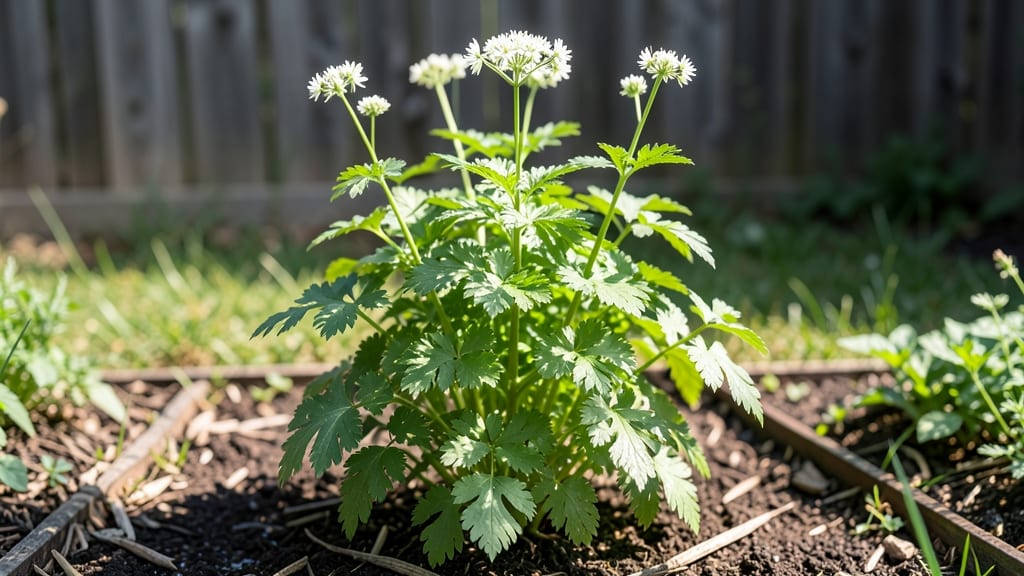
How to grow cilantro in Texas feels impossible—until you pick the right varieties. 🌱 I’ve battled bolting and wilting for years, but these heat-resistant types actually survive our summers, and the secret isn’t complicated: timing, shade, and consistent moisture. Texas heat turns most cilantro to bitter dust within days, but varieties like ‘Santo’ or ‘Calypso’ handle 90°F better. Plant them in late summer to early fall when temperatures dip slightly, or use shade cloth in peak sun. Well-draining soil with compost keeps roots happy, and mulch locks in moisture. You’ll harvest fresh, fragrant leaves in 3-4 weeks, and with proper care, these plants keep producing for months. The key? Water deeply but infrequently—cilantro hates soggy soil but wilts fast if dry. Even in our brutal summers, this method works. Here’s how to make it foolproof—no more sad, bolted cilantro plants!
📚 In This Guide
- What you need
- Instructions
- Tips and common mistakes
- Wrapping up and next steps
What you need
- ● Cilantro seeds: Choose heat-tolerant varieties like Santo or Calypso (1–2 packets, ~50–100 seeds each).
- ● Containers or garden bed: Containers: 6–12-inch deep pots with drainage holes (3–5 plants per 12-inch pot).
- ● Garden bed: Well-draining soil in a partially shaded or morning-sun spot (6+ inches deep).
- ● Potting mix or garden soil: Light, well-draining mix (avoid heavy clay). Add compost (1–2 cups per square foot) for nutrients.
- ● Watering can or hose: With a gentle spray nozzle for even moisture.
- ● Hand trowel or small shovel for transplanting.
- ● Pruning shears (for harvesting).
- ● Mulch (straw or shredded leaves) to retain moisture.
- ● Shade cloth (30–50%) for afternoon sun protection (if needed).
- ● pH test kit (ideal soil pH: 6.2–6.8).
- ● Texas-friendly timing: Fall (Sept–Nov) or Spring (Feb–March) for best success.
- ● Consistent watering (keep soil evenly moist, not soggy).
- ● Patience! Cilantro bolts (goes to seed) quickly in heat—harvest often to encourage regrowth.
Step-by-Step instructions for growing cilantro in Texas heat
Here's how I've learned to keep cilantro thriving in Texas summers—using the right varieties and timing.
🌱 Step 1: Select Heat-Tolerant Varieties and Plant at the Right Time
Texas summers will bolt regular cilantro in days, but varieties like 'Santo' or 'Calypso' handle 85-90°F better. I plant mine in early spring (February-March) or late summer (August-September) when temperatures dip slightly. Avoid planting after March 15—the heat will send your plants to flower too fast.
Start seeds indoors 4-6 weeks before your target outdoor date. Cilantro germinates best at 60-70°F, so use a seedling heat mat if your home runs cooler. You'll see sprouts in 7-14 days, but don't rush them outside until nighttime temps stay above 55°F. Here's the thing—if your outdoor thermometer hits 80°F+ during the day, your cilantro will bolt within a week.
☀️ Step 2: Provide Partial Shade and Consistent Moisture
Cilantro craves partial shade in Texas—morning sun only is ideal. I use 50% shade cloth stretched over my raised beds to filter the intense afternoon rays. Without shade, leaves turn bitter and stems elongate weakly. Watch for wilting by noon—that's your signal the sun is too harsh.
Keep soil evenly moist but never soggy. Texas heat dries soil fast, so water deeply every morning (about ½ inch per week). I check moisture by sticking my finger 1 inch deep—if it feels dry, water again. Mulch with 2 inches of straw to lock in moisture and keep roots cool. Overwatering causes rot, but letting soil dry out triggers bolting.
✂️ Step 3: Harvest Strategically to Extend the Season
Harvest leaves regularly to encourage bushier growth. Snip outer stems just above a leaf pair, leaving the inner growth intact. I harvest mine every 3-5 days—this prevents the plant from sensing it's time to bolt. Avoid harvesting more than ⅓ of the plant at once, or you'll stunt regrowth.
When flowers appear (bolting), act fast. Cut the entire plant down to 2 inches above soil level. Surprisingly, cilantro often regrows from the base—just keep it shaded and watered. You'll get one last harvest of tender new leaves before it finally bolts for good. Real talk: Even with these tricks, Texas cilantro rarely lasts past 6-8 weeks in summer plantings.
🌿 Step 4: Protect Plants During Heat Waves
When temperatures hit 95°F+, cilantro shuts down. I move potted plants to shaded patios or cover them with lightweight row fabric during peak heat. For in-ground plants, create a DIY shade tent with bamboo stakes and cheesecloth. Remove shade by 4 PM to let the plant recover overnight.
Watch for yellowing leaves—this usually means heat stress. Trim affected leaves immediately and increase watering slightly (but never let soil stay wet). If stems turn woody or flowers appear, the plant is bolting. In extreme heat, I've had cilantro recover after a week of shade, but don't count on it—sometimes it's better to pull and replant.
Tips & tricks for growing cilantro in Texas heat
Here's what nobody tells you about keeping cilantro thriving when the Texas sun tries to take over.
Variety Selection: The 'Santo' and 'Calypso' varieties mentioned in Step 1 are your best bets, but don't overlook 'Slow Bolt' cilantro—it's specifically bred to handle our climate. I've found that even these heat-tolerant types need consistent care once planted. Confession: I skipped this step for years and wondered why my cilantro always bolted before I could harvest enough.
Seedling Heat Management: That 60-70°F germination range in Step 1 is non-negotiable. If your home runs cooler, use a seedling heat mat—cold soil delays germination and weakens seedlings. I learned this the hard way after watching sprouts take 21 days to appear instead of the promised 7-14 days. Once seedlings appear, keep them under grow lights until nighttime temperatures consistently stay above 55°F—this prevents shock when you transplant.
Shade Strategy: The 50% shade cloth mentioned in Step 2 is your secret weapon, but don't be afraid to get creative. I've used old white bedsheets stretched between stakes in a pinch—they diffuse sunlight just as effectively. The key is blocking that intense afternoon sun while still allowing morning light for photosynthesis. Watch for wilting by noon as your early warning system—it's your plant's way of saying "I'm struggling."
Watering Wisdom: That ½-inch weekly guideline in Step 2 is a starting point, not a rule. In true Texas heat (95°F+), you might need to water twice daily—morning and late afternoon. The 1-inch deep moisture check is crucial, but also feel the soil temperature before watering. If it's hotter than 85°F at that depth, your plant is already stressed. Mulch with that 2 inches of straw as specified, but add a layer of reflective white gravel underneath—it helps keep roots cooler.
Pro Tips for Grow Cilantro In Texas
- Here's what nobody tells you about keeping cilantro thriving when the Texas sun tries to take over.
- Variety Selection: The 'Santo' and 'Calypso' varieties mentioned in Step 1 are your best bets, but don't overlook 'Sl...
- Seedling Heat Management: That 60-70°F germination range in Step 1 is non-negotiable. If your home runs cooler, use a...
Frequently asked questions
Got questions about growing cilantro in Texas?
You’re not alone—this herb can be finicky in our heat! Here are answers to the most common concerns to help you cultivate lush, flavorful cilantro year-round.
Can cilantro survive Texas summers?
Most cilantro bolts (goes to seed) in Texas heat, but heat-tolerant varieties like ‘Santo’ or ‘Calypso’ can handle temps up to 85°F for short periods. For summer growth, try shade cloth (30-50%) or grow it in containers and move indoors during peak heat. Fall and spring are ideal!
When is the best time to plant cilantro in Texas?
Sow seeds in early spring (Feb–March) or late summer/early fall (Aug–Sept) for cooler weather. Avoid planting after April or before October—cilantro hates extreme heat. For a continuous harvest, stagger plantings every 2–3 weeks in mild seasons.
Why does my cilantro taste soapy?
Soapy flavor usually means it’s bolting (going to seed). This happens when cilantro gets too hot, stressed, or lacks consistent moisture. To fix it: Harvest leaves regularly to encourage bushier growth, water deeply 1–2x/week, and use shade cloth if temps rise above 80°F.
What can I plant with cilantro to keep it from bolting?
Cilantro thrives alongside leafy greens (lettuce, spinach), carrots, and beans, which provide shade and moisture. Avoid planting near dill or fennel—they’re in the same family and can cross-pollinate, reducing flavor. Companion planting also deters pests like aphids!
Can I grow cilantro indoors in Texas?
Place a 6-inch pot near a south-facing window or under grow lights (12–14 hours/day). Use well-draining soil and keep temps between 60–75°F. Harvest leaves as needed to prevent bolting. Bonus: Indoor cilantro stays fresh year-round!
How do I keep pests away from my cilantro?
Common pests like aphids and spider mites love cilantro. Prevent them with: Neem oil spray, row covers, or companion plants (like marigolds). If infested, blast plants with water to dislodge pests. Harvest frequently to avoid overcrowding, which attracts bugs.
Wrapping up and next steps
Growing cilantro in Texas is totally doable—especially with heat-resistant varieties and a few smart tricks! Whether you’re a beginner or a seasoned gardener, your green thumb can turn your backyard (or balcony) into a fresh herb oasis.
Start small, stay consistent with watering, and don’t be afraid to experiment with shade or succession planting to keep the harvest flowing.
Now that you’re armed with the know-how, why not take the next step? Try planting a few seeds this week and enjoy the satisfaction of harvesting homegrown cilantro for your favorite dishes. Happy gardening—and bon appétit! 🌱✨