
Picking
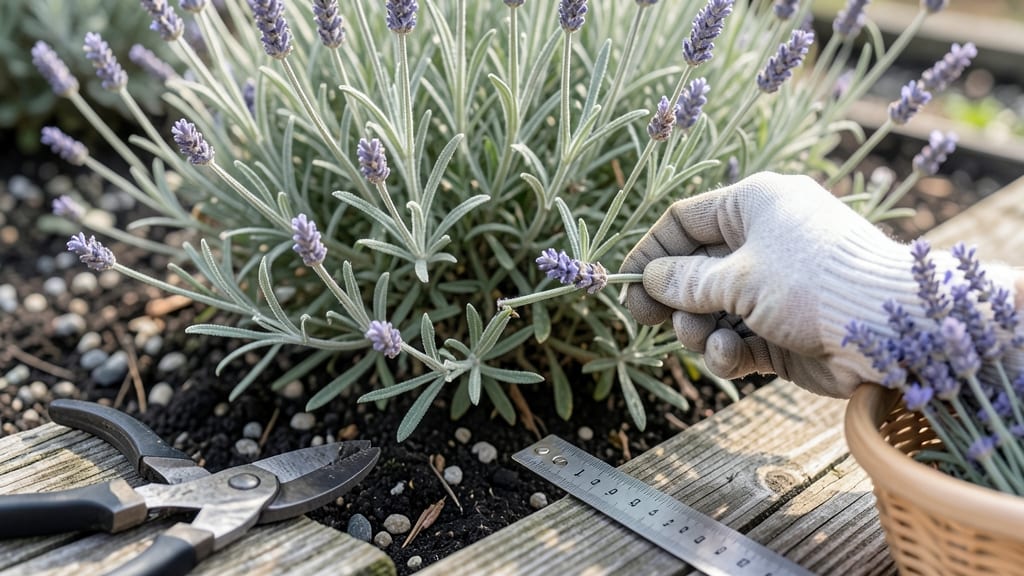
Harvesting lavender without killing it starts with timing and technique. ✨ The cut-and-come-again method keeps your plants lush and productive for years—if you know the right way.
I’ve ruined more lavender bushes than I’d like to admit by cutting too much or at the wrong time, but this approach guarantees thick, fragrant regrowth every season.
First, wait until the morning after dew has dried—typically late spring or early summer when buds are just opening but haven’t fully bloomed. Use sharp pruners to cut 1/3 of the plant’s height, avoiding the woody stems at the base.
Gloves protect your hands from the plant’s tiny hairs, and a clean cut ensures faster healing. The key is patience: never harvest more than a third of the plant in one session, or you’ll stunt its growth.
After harvesting, trim any remaining spent flowers to redirect the plant’s energy into new growth. Water lightly if your region is particularly dry, but avoid overwatering—lavender thrives in well-draining soil and hates soggy roots.
Within weeks, you’ll see fresh, vibrant shoots pushing through, ready for your next harvest. This method works for both garden beds and container-grown lavender, making it perfect for any space.
For beginners, the biggest mistake is cutting too low or too aggressively. Always leave at least 2-3 inches of green growth above the woody base, and avoid harvesting in fall or winter when the plant is dormant.
With this approach, your lavender will reward you with years of fragrant blooms—no wilting or bare stems in sight.
📚 In This Guide
- What you need
- Instructions
- Tips and common mistakes
- Wrapping up and next steps
What you need
- ● Sharp pruning shears or garden scissors – Look for bypass-style blades (not anvil) to avoid crushing stems. (1 pair)
- ● Clean, sterilized cutting tool – Rubbing alcohol (70% or higher) or a 10% bleach solution to disinfect blades.
- ○ Gloves (optional but recommended) – Thin gardening gloves protect from thorns and sap.
- ● Harvesting basket or breathable cloth bag – Avoid plastic to prevent moisture buildup. (1 medium-sized)
- ○ Sharpie or marker – For labeling harvested bundles (optional but helpful).
- ● Mature lavender plant (at least 1–2 years old) – Young plants need time to establish roots.
- ● Early morning harvest time – Best between 7–9 AM when buds are fully open but dew has dried.
- ● Dry, sunny weather – Avoid harvesting after rain or in high humidity.
- ● 1/3 of the plant’s stems remaining – Never cut more than this to ensure regrowth!
- ● Drying rack or hanging bundle kit – For preserving lavender post-harvest.
- ● Spray bottle with water – To lightly mist stems if humidity is low.
- ● Notebook & pen – Track harvest dates and plant health.
Step-by-step instructions for harvesting lavender without killing the plant
Here’s how I preserve lavender’s lush growth while harvesting—no bare stems or sad bushes here.
🌿 Step 1: Wait for the Right Time
Harvest lavender in the morning after the dew has dried but before the sun peaks—around 9-11 AM. This ensures the oils are concentrated, and the stems are firm but not wilted. I always check for fully open buds that haven’t yet bloomed; these hold the most fragrance and oil.
If you harvest when buds are still closed, you’ll get less scent and oil. And never cut into the woody stems—always snip just above a leaf node where new growth can sprout. This is where the plant’s energy will focus for regrowth.
✂️ Step 2: Cut with Precision
Use sharp, clean pruners or shears to make a clean diagonal cut about 3-4 inches below the flower cluster. This length leaves enough stem to dry properly while allowing the plant to regrow from a lower node. I like to cut at a slight angle to prevent water from pooling on the stem, which can cause rot.
Remove only one-third of the plant at a time—never more. Over-harvesting stresses lavender, and it may take years to recover. If you’re harvesting multiple stems, space them out so you’re not cutting from the same section repeatedly.
🌱 Step 3: Encourage Regrowth After Harvesting
After cutting, give your lavender a light drink of water—just enough to moisten the soil without soaking it. Lavender hates soggy roots, so I always check that the soil drains quickly. Within 2-3 weeks, you should see new growth emerging from the nodes where you cut.
If your lavender isn’t rebounding, it might need more sun—full sun (6-8 hours daily) is non-negotiable. Without enough light, the plant weakens, and regrowth slows. A little fertilizer (like a balanced 10-10-10) after harvesting can also give it a boost, but don’t overdo it—lavender prefers lean soil.
⏰ Step 4: Repeat the Process Seasonally
For best results, harvest lavender twice a year: once in early summer (June) and again in late summer (August). This gives the plant time to recover between cuts. I mark my calendar because missing these windows means weaker regrowth and less fragrant stems.
In colder climates, avoid harvesting in fall or winter—lavender goes dormant, and cutting then can damage the plant. If you’re in a mild zone, you can harvest lightly in spring, but focus on summer for the strongest regrowth.
Tips & tricks for perfect lavender harvesting
Confession: I skipped the morning timing rule for years and wondered why my lavender never smelled as good. Here's what I learned the hard way.
Timing Secret: The 9-11 AM window isn't just about dew—it's when lavender's essential oils are at their peak concentration. I now set my alarm for 9:30 AM sharp to catch this sweet spot. If you miss morning, late afternoon (after 4 PM) is your second chance, but the scent won't be as potent. The fully open buds are your visual cue—they should look like tiny trumpets, not tightly closed flowers.
Cutting Technique: That 3-4 inch cut below the flower cluster might seem arbitrary, but it's actually a perfect balance. Too short and your stems won't dry properly; too long and you're cutting into next year's growth. I use a small whiteboard by my lavender to mark which stems I've cut so I don't accidentally harvest the same section twice. This keeps the plant's energy focused on new growth rather than trying to recover from multiple cuts.
Regrowth Rescue: If you see brown, crispy leaves after cutting, your lavender is telling you it's thirsty—not that it's dying. The light drink of water is key: think of it like giving your plant a sip of tea, not a bath. I always check the soil drainage after watering—if water pools for more than 10 seconds, that's a sign you need to improve your soil mix. The 2-3 week regrowth window is your plant's way of saying "I'm healing," so don't rush it.
Pro Tips for Harvest Lavender Without Killing The Plant
- Confession: I skipped the morning timing rule for years and wondered why my lavender never smelled as good. Here's wh...
- Timing Secret: The 9-11 AM window isn't just about dew—it's when lavender's essential oils are at their peak concentr...
- Cutting Technique: That 3-4 inch cut below the flower cluster might seem arbitrary, but it's actually a perfect balan...
Frequently asked questions
Got questions about harvesting lavender the right way?
You’re not alone! Here are answers to the most common concerns—so you can enjoy fresh lavender without stressing your plants.
When is the best time of day to harvest lavender?
The ideal time is early morning after the dew has dried but before the sun gets too hot (around 8–10 AM). This ensures the oils are at their peak potency and the stems are still firm. Avoid harvesting in the heat of the day—it can stress the plant and reduce oil quality.
How often can I harvest lavender from the same plant?
With the cut-and-come-again method, you can harvest every 6–8 weeks during the growing season (spring to early fall). Give the plant time to recover between cuts—never harvest more than 1/3 of the plant at once. Over-harvesting weakens it and stunts regrowth.
What if my lavender plant looks sad after harvesting?
Don’t panic! A slightly wilted look is normal—just water deeply and avoid harvesting again for 4–6 weeks. If the plant stays droopy or brown, it may need more sunlight or well-draining soil. Prune any dead stems and fertilize lightly (if needed) to encourage recovery.
Can I harvest lavender flowers that are already drying on the plant?
Yes! If the buds are just starting to open (about 1/3 bloomed), they’re perfect for harvesting. Fully dried flowers on the plant are past their prime for fresh use, but you can still save them for potpourri or sachets. For culinary or oil purposes, always pick buds or partially open flowers.
What’s the difference between harvesting lavender for oil vs. drying?
| Purpose | Best Practice |
|---|---|
| Essential oil | Harvest early morning when buds are fully closed (highest oil content). Avoid rain for 24 hours before picking to prevent dilution. |
| Drying | Pick when 1/3 of buds are open. Bundle stems and hang upside down in a dark, dry, well-ventilated space for 2–3 weeks. |
Wrapping up and next steps
Harvesting lavender the right way isn’t just about getting fresh stems—it’s about nurturing your plant for years of blooms! By using the cut-and-come-again method, you’ll encourage lush regrowth while avoiding stress on your lavender. Remember: timing, sharp tools, and proper spacing are your secret weapons for a thriving garden.
Now that you’re armed with the know-how, grab those shears and get harvesting! 🌿 Whether you’re drying bundles for sachets, crafting soothing potpourri, or simply enjoying the fragrance, your lavender will thank you with vibrant blooms season after season. Happy harvesting!