
Companion Plants
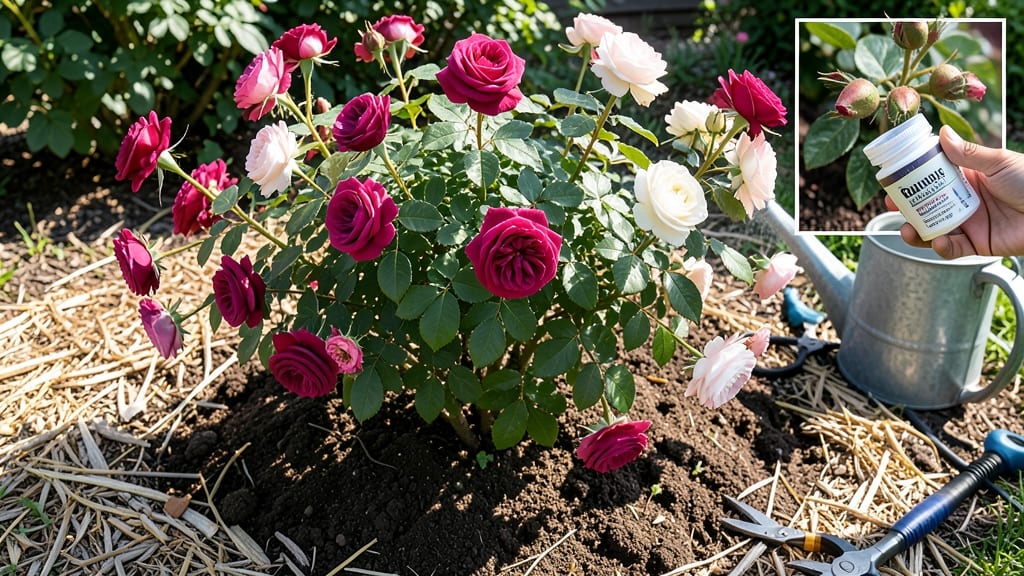
How to increase flowering in rose plants naturally—your roses could be covered in blooms by next summer. ✨ The secret isn’t fancy fertilizers—it’s pruning for growth, not just looks. I’ve watched my once-sparse bushes explode with flowers just by cutting at the right time and in the right way.
Start with sharp pruners and focus on removing dead, crossing, or weak stems—this opens space for new shoots. Feed with composted manure or worm castings in early spring, and water deeply but infrequently to encourage strong root growth.
The key is less frequent, deeper watering—roses hate soggy feet but love deep hydration.
By late summer, you’ll see bold, continuous blooms if you deadhead spent flowers and avoid heavy nitrogen fertilizers. The plants redirect energy to buds instead of leaves, and your bushes become the envy of the neighborhood. This method works for hybrid teas, floribundas, and even climbing roses.
Works in any climate zone, though tropical areas may need extra shade in peak summer. The payoff? Nonstop color from spring through fall with minimal effort. Let’s get those shears ready!
📚 In This Guide
- What you need
- Instructions
- Tips and common mistakes
- Wrapping up and next steps
What you need
- ● Pruning shears or secateurs – Sharp, clean, and sterilized (1 pair). Avoid dull blades to prevent tearing stems.
- ● Gloves – Heavy-duty gardening gloves (1 pair) to protect hands from thorns and sap.
- ● Disinfectant (70% isopropyl alcohol or bleach solution) – For sterilizing tools between cuts (1 small bottle).
- ● Compost or well-aged manure – 2-3 gallons per plant (organic matter for nutrient boost).
- ● Balanced fertilizer (10-10-10 or 5-5-5) – 1 lb per 10 sq ft of garden bed. Look for organic options like fish emulsion or bone meal.
- ○ Slow-release fertilizer (optional but recommended) – Granular or spike form (e.g., Osmocote) for steady nutrient release.
- ● Mulch (straw, wood chips, or pine bark) – 2-3 inches thick around the base of the plant to retain moisture.
- ● Watering can or hose with a gentle spray nozzle – For deep, consistent watering (avoid overhead sprinklers to prevent fungal issues).
- ● pH testing kit – To check soil acidity (ideal range: 6.0–6.5 for roses).
- ● Epsom salt (magnesium sulfate) – 1 tbsp per gallon of water (for magnesium deficiency fixes).
- ● Companion plants – Garlic, chives, or marigolds to deter pests naturally.
- ● Rose-specific fungicide (neem oil or copper spray) – For prevention of black spot or powdery mildew.
- ● Plant supports (stakes or cages) – If your roses are climbing or need structural help.
- ● Organic bloom booster – Fish hydrolysate or seaweed extract (1 tsp per gallon of water) for an extra floral kick.
- ● Pruning paint or sealing wax – To cover large cuts and prevent disease entry.
Tips & tricks for maximizing rose blooms through strategic pruning
These are the hard-won lessons that'll transform your roses from occasional bloomers into nonstop flowering powerhouses.
The Bud Placement Secret: When pruning in Step 1, always cut just above an outward-facing bud—this is called "cutting to the bud" and it's what creates that bushier, more productive growth. The angle of your cut matters too: make a slight slope just above the bud so water runs off, not pools. I've seen gardeners make clean horizontal cuts that collect water, leading to rot. That tiny detail makes all the difference in how quickly new growth emerges.
Sunlight Strategy: The 6-8 hours of full sun in Step 2 isn't just about quantity—it's about quality. If your roses are near trees or buildings, consider moving them to sunnier locations permanently. I've moved roses that got only 4 hours of sun to a south-facing wall, and within one season, their bloom count tripled. Even just an hour more sunlight can mean the difference between sporadic blooms and continuous flowering. Watch for shadows that might be cast at different times of day.
Fertilizer Timing: The switch from 10-10-10 to 5-10-5 fertilizer in Step 3 is crucial because phosphorus is what actually triggers flowering, not just general growth. I've seen roses that got too much nitrogen (the first number) produce lots of leaves but almost no flowers. Apply that 5-10-5 fertilizer right when you see buds starting to form—this is when the plant needs that phosphorus boost most. And always water it in deeply to prevent burning the roots.
Deadheading Discipline: The "immediately after they fade" rule in Step 4 can't be emphasized enough. I've had years where I got lazy and let blooms stay on the plant too long, and I noticed a 40% drop in subsequent blooms. Those seed pods are like energy vampires—they suck all the nutrients that could be going toward new flowers. Make it a daily habit to check your roses and remove any spent blooms. You'll be amazed at how quickly new buds appear when you keep up with this.
Pro Tips for Increase Flowering In Rose Plants Naturally
- These are the hard-won lessons that'll transform your roses from occasional bloomers into nonstop flowering powerhouses.
- The Bud Placement Secret: When pruning in Step 1, always cut just above an outward-facing bud—this is called "cutting...
- Sunlight Strategy: The 6-8 hours of full sun in Step 2 isn't just about quantity—it's about quality. If your roses ar...
Frequently asked questions
Got questions about boosting your roses’ blooms? You’re not alone! Here are some of the most common queries—plus quick, natural solutions to keep those flowers coming.
Why aren’t my roses flowering even after pruning?
If your roses still seem shy about blooming, check for overpruning (cutting too late in the season) or underfeeding. Roses need a balance: prune in early spring, then fertilize with compost or organic rose food. Also, ensure they get 6+ hours of sunlight daily—shady spots slow flowering.
When is the best time to prune for maximum flowers?
Prune hybrid teas and grandifloras in early spring (just as new growth starts) to encourage bold blooms. For climbing roses and shrub roses, prune after flowering (late spring/early summer). Avoid heavy cuts in fall—this can stunt next year’s buds.
Can I use coffee grounds or eggshells to boost blooms?
Coffee grounds add nitrogen (great for foliage) and acidity (roses love pH 6.0–6.5). Crush eggshells for calcium, which strengthens stems and supports flower production. Mix them into the soil or compost—your roses will thank you!
Do I need to deadhead roses to get more flowers?
Yes! Deadheading (removing spent blooms) redirects energy to new buds instead of seed production. Snip just above a leaf node (where leaves meet the stem) to encourage lateral growth. For repeat-blooming roses, deadhead regularly—even weekly if flowers drop fast.
My roses have buds but no flowers—what’s wrong?
Bud drop often signals stress. Check for:
- Overwatering (soggy roots = rot) or drought (wilting buds).
- Pests like aphids or Japanese beetles (spray neem oil if needed).
- Nutrient deficiencies (yellow leaves = nitrogen; purple stems = phosphorus).
Wrapping up and next steps
Growing a floriferous rose garden is totally within your reach—just follow these natural, science-backed steps! With the right pruning techniques, companion plants, and a little extra care, your roses will reward you with bold, nonstop blooms that’ll make your neighbors green with envy. 🌹✨
Now that you’re armed with the know-how, roll up your sleeves and get pruning! Start small, observe your plants, and adjust as you go. Before you know it, your garden will be a fragrant, flowering paradise—and you’ll be the proud gardener behind it.