
How To
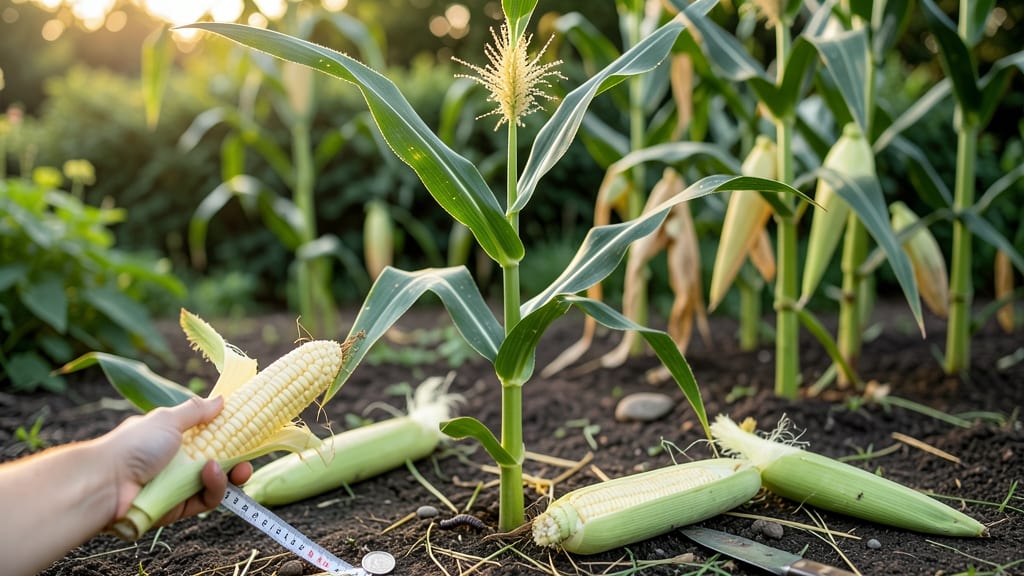
How to know when sweet corn is ready to harvest can turn a good meal into a great one—or leave you with tough, starchy ears that fall short. The difference between buttery perfection and disappointment often comes down to timing, and the right cues make all the difference in your garden.
If you’ve ever pulled back a husk only to find kernels that are still hard or silks that haven’t dried, you know how frustrating it can be.
But here’s the good news: with just a few simple checks—like the color of the silks, the feel of the husk, and even a quick taste test—you can nail the perfect harvest window every time.
I’ve tested these tricks in my own garden, and they’ve saved me from countless missed opportunities.
Whether you’re growing sweet corn in Zone 6a or just starting out, these field-proven methods will help you pick your ears at their peak, ensuring sweetness and flavor that’ll impress anyone at the dinner table.
Ready to stop guessing and start harvesting like a pro? Let’s break down the three easiest ways to tell when your sweet corn is finally ready—and how to avoid the common mistakes that ruin the flavor.


3 Field-tested sweet corn ripeness tricks (no knife needed)
Sweet corn is one of those vegetables where timing is everything—harvest too early, and you get underdeveloped ears; wait too long, and you're left with tough, starchy kernels.
The good news? You don’t need a knife or fancy tools to test ripeness. Instead, focus on three simple, foolproof methods that work every time in my garden.
First, pay attention to the silk color. When the silks (those long, thread-like strands) turn from vibrant green to tan or brown, that’s your first sign the corn is nearing maturity.
I always check this first thing in the morning when the silks are dry and easier to see.
Next, give the husks a gentle squeeze. Ready-to-harvest ears have tight, green husks that feel snug around the ear. If the husks pull back easily or look dry and papery, the corn may have passed its prime.
Pro tip: If the husks are still tightly closed but the silks are brown, that’s a perfect harvest window.
The third trick is my favorite—it’s called the 'pop test'. Pierce a kernel with your fingernail. If it releases a milky white liquid and feels firm but slightly soft, you’ve got sweet corn at its peak.
If it’s hard and clear, it’s too early; if it’s mushy or mealy, you’ve missed the boat.
- Silk Test: Silks turn tan/brown and dry out (not green or moist)
- Husk Test: Husks stay tight and green (don’t pull back easily)
- Pop Test: Kernels release milky liquid when pierced (not clear or mushy)
One mistake I used to make was relying solely on days to maturity listed on seed packets. While those are a good starting point, they don’t account for your specific growing conditions.
For example, cooler summers might delay ripening by a week or more. That’s why I now combine the silk, husk, and pop tests—it’s the only way to guarantee perfect corn every time.
Don’t forget to check multiple ears on the same plant, as they often ripen at slightly different times. I like to harvest every 2-3 days once the silks start browning to ensure I catch them all at peak ripeness.
This staggered approach also gives me a steady supply for fresh eating or freezing.
If you’re growing multiple varieties, like both bicolor and white corn, note that their ripening times can vary by 3-5 days. I always label my plants to keep track, which saves time during harvest season.
The last thing you want is to mix up varieties and end up with a bag of half-ripe ears!
Finally, trust your senses. The best sweet corn has a sweet, nutty aroma when you peel back the husks. If it smells earthy or bland, it’s not ready yet.
Over the years, I’ve learned that my garden’s sweet corn is at its best when it passes all three tests and smells amazing—no exceptions.
Now that you know the tricks, grab your gardening gloves and head to the patch. Your taste buds will thank you for nailing the harvest timing!
Sweet corn ripeness chart: visual & tactile cues to harvest
Sweet corn ripens quickly, so knowing the exact visual and tactile cues can save you from tough, starchy ears. Here’s what to look for when checking your plants—no knife or guesswork required.
Start by examining the silks at the top of each ear. When they turn from bright green to brown and crispy, that’s your first major clue. The husks should also feel tight and slightly stiff, not loose or dry.
| Stage | Silks | Husks | Kernels | Action |
|---|---|---|---|---|
| Early | Green & moist | Loose | Small, hard | Wait 3-5 days |
| Mid | Drying, tan | Tightening | Plumping | Check kernels |
| Peak | Brown & crispy | Firm & dry | Milky white | Harvest now! |
| Late | Dry & brittle | Loose | Starchy, hard | Too late! |
For the kernel test, gently press your fingernail into a kernel. If it releases a milky liquid (not clear or hard), it’s ready. Overripe corn will feel dry and shriveled, while underripe kernels stay hard and translucent.
Pro tip: Harvest in the morning when temperatures are cooler. This preserves sweetness and keeps ears crisp. Store unharvested ears in shade to slow ripening if you’re not ready to pick.
Don’t rely on days after planting alone—varieties differ. Early types like 'Silver Queen' mature in 60-70 days, while sweet corn like 'Peaches and Cream' can take 80-90 days. Always check the plant, not the calendar.
🌽