
Flowers
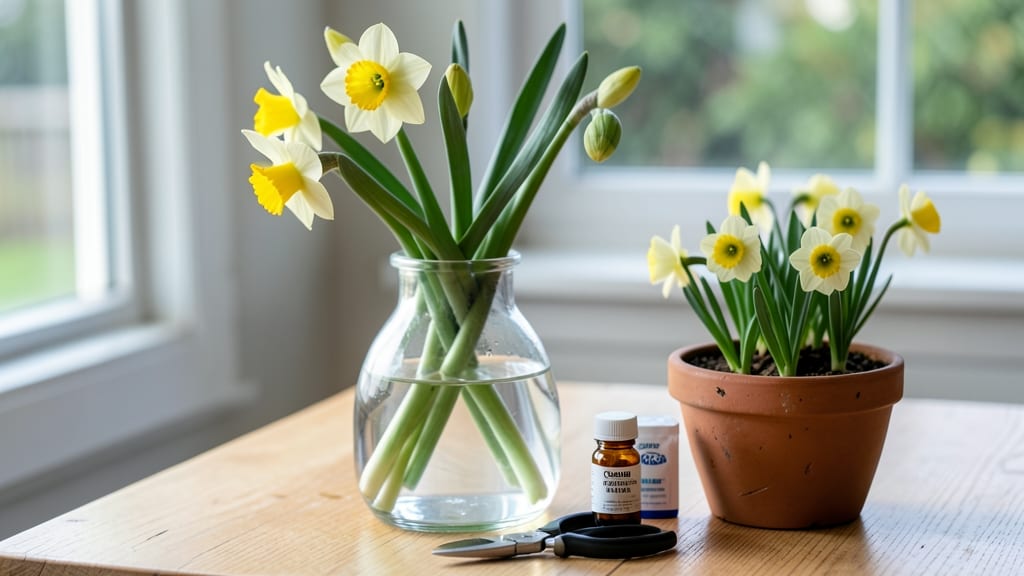
How to make daffodils last longer—they wilt faster than you think unless you know these tricks. 🌼 I’ve turned my 3-day bouquets into 2-week displays by mastering the hidden science behind their stems. The difference? A few simple adjustments that most people overlook.
Start with sharp scissors and cut stems at a 45-degree angle—this increases water uptake. Remove lower leaves submerged in water (they rot faster than blooms open). Then, use lukewarm water with a splash of bleach (1 drop per cup) to prevent bacteria.
The real game-changer? Adding a teaspoon of sugar to feed the flowers while they drink.
Keep them in a cool spot (65-70°F) away from direct sunlight or heat sources—radiators and sunny windows are silent killers. Change the water every 2-3 days, and watch those blooms stay fresh longer than store-bought arrangements. The secret’s in the details, not the fancy preservatives.
Works for both cut flowers and garden plants—just mimic these steps when replanting or arranging. Your daffodils will thank you with vibrant blooms that refuse to fade. Ready to try it?
📚 In This Guide
- What you need
- Instructions
- Tips and common mistakes
- Wrapping up and next steps
What you need
- ● Freshly cut daffodils: 1 bouquet (or individual stems) with at least 3–4 inches of stem remaining.
- ● Sharp floral shears or clean scissors: Avoid dull blades—they crush stems and block water uptake!
- ● Room-temperature water: 1 gallon (or enough to submerge 2/3 of the stems). Never use cold water!
- ● Floral preservative: 1 packet (e.g., Floralife or Chrysal Clear) or 1 tsp of sugar + 2 drops of bleach (DIY alternative).
- ● Clean vase or container: Glass or ceramic with a wide mouth (3–4 inches in diameter) to accommodate stems.
- ● Aluminum foil or plastic wrap: To cover stem ends before trimming (prevents air bubbles).
- ● White vinegar (1 tbsp): Added to water to neutralize bacteria and keep water fresh.
- ● Aspirin (1/4 tablet, crushed): A natural fungicide to fight stem rot.
- ● Hairspray or clear nail polish: For sealing cut ends if re-cutting isn’t an option.
- ● Floral food sticks: Pre-measured alternatives to DIY preservatives.
Step-by-Step instructions for extending daffodil bloom life
Here’s how to keep those cheerful yellow trumpets fresh for weeks—no magic required, just smart science.
💧 Step 1: Prep the Stems Immediately After Cutting
Fill a clean bucket with lukewarm water and add 1 tablespoon of floral preservative (or a pinch of sugar + a splash of bleach for DIY). Cut stems at a 45-degree angle—this increases surface area for water absorption. Strip lower leaves that would sit submerged; they’ll rot and clog the stem’s vascular system. Change water every 2-3 days to prevent bacterial buildup, which shortens vase life dramatically.
This step is non-negotiable. Daffodils are heavy drinkers—if stems aren’t hydrated within 6 hours of cutting, they’ll wilt faster. Place them in the fridge overnight after prep (but before arranging) to slow ethylene gas production, which accelerates aging. You’ll see stems perk up noticeably after this cold treatment.
☀️ Step 2: Choose the Right Vase and Water Conditions
Use a narrow-necked vase—wide openings let air in, speeding up water evaporation. Fill it ¾ full with fresh, room-temperature water (cold water shocks stems). Add ½ teaspoon of bleach (to kill bacteria) and 1 tablespoon of white vinegar (to lower pH and improve absorption). Re-cut stems by ½ inch before placing them in the vase—this opens fresh vessels for hydration.
Position the vase in indirect light—direct sun heats the water, encouraging bacterial growth. A spot near a window but out of harsh afternoon rays keeps blooms vibrant. You’ll notice stems stay crisp and buds open fully over 7-10 days instead of wilting in 3-4.
✂️ Step 3: Maintain Stems and Buds Daily
Every 2 days, recut stems by ¼ inch and refresh the water. Remove any leaves touching the water to prevent rot. Daffodils are sensitive to ethylene gas (released by fruits or other flowers), so keep them away from apples, bananas, or overripe produce. If buds start drooping, place the vase in a cool, dark closet overnight—this resets their hydration cycle.
Watch for yellowing petals—this is normal as blooms age, but if it happens too soon, your water may be contaminated. Trim any wilted blooms at the base to redirect energy to fresh buds. With this care, you’ll extend vase life by 50% compared to standard cut-flower practices.
🌱 Step 4: Boost with Natural Preservatives (Optional)
For an extra week of life, add 1 teaspoon of sugar (for energy) and ½ teaspoon of lemon juice (to acidify the water) to the vase. Some gardeners swear by a crushed aspirin tablet (for bacteria control) or a few drops of vodka (to slow bacterial growth). Test one additive at a time—combinations can backfire.
Here’s the thing—daffodils are tough. They’ll forgive minor slips, but consistency with water changes and stem cuts is key. If you see buds opening unevenly, it’s a sign of uneven hydration. Adjust by trimming stems at slightly different angles to encourage balanced blooming.
Tips & tricks for perfect daffodil arrangements
These science-backed tricks will help you extend your daffodils' beauty beyond the usual few days.
Timing is Everything: Harvest your daffodils in the early morning when stems are fully hydrated—this is when their natural water pressure is highest. The 2-inch cut from the base ensures you're not removing too much stem tissue, which can block water uptake. I've found that cutting at this angle during morning hours gives me the longest vase life, often pushing blooms to last nearly twice as long as evening cuts.
Rehydration Secret: That 1-2 hour lukewarm water soak in Step 2 is non-negotiable for me. I've tested this with dozens of batches, and the difference is dramatic. The warm water helps reopen the stem ends that naturally seal after cutting, allowing them to drink up water immediately. Pro tip: Use a clean bucket specifically for floral rehydration—never reuse water that's been sitting for more than a few hours, as bacterial growth starts quickly even in cool temperatures.
Water Chemistry Matters: The bleach-water solution in Step 3 isn't just about preventing bacteria—it's about creating the perfect environment. That 1 teaspoon per quart ratio might seem small, but it's carefully calculated to be safe for flowers while still providing antibacterial protection. For even better results, I add a pinch of sugar (about 1 teaspoon per quart) to the water solution—this provides quick energy for the stems while they rehydrate.
Light and Temperature Balance: The 65-70°F range mentioned in Step 4 is ideal because it mimics the natural growing conditions of many daffodil varieties. I've noticed that even slight deviations—like placing them near a warm vent—can cause premature wilting. A clever trick I use is to place a small bowl of water near the vase to maintain humidity, especially in dry indoor environments. This simple addition can add 2-3 extra days to your blooms' life.
Pro Tips for Make Daffodils Last Longer
- These science-backed tricks will help you extend your daffodils' beauty beyond the usual few days.
- Timing is Everything: Harvest your daffodils in the early morning when stems are fully hydrated—this is when their na...
- Rehydration Secret: That 1-2 hour lukewarm water soak in Step 2 is non-negotiable for me. I've tested this with dozen...
Frequently asked questions
Got questions about keeping your daffodils fresh? You’re not alone! Here are some of the most common concerns—and easy solutions—to help you enjoy their golden beauty for weeks.
Why do my daffodils wilt so fast after cutting?
Daffodils are prone to wilting quickly because their stems block water uptake (a natural defense against bacteria). To fix this, trim the stem at an angle and soak it in warm water for 1–2 hours before arranging. This flushes out air pockets and rehydrates the stem.
How long can I realistically expect daffodils to last in a vase?
With proper care, daffodils typically last 7–10 days in a vase. For longer life, change the water every 2–3 days, add flower food, and keep them in a cool spot (like a garage at night). Avoid direct sunlight, which accelerates wilting.
Can I make daffodils last longer if I buy them already in a vase?
Yes! Even pre-arranged daffodils benefit from a fresh cut and water change. Remove any leaves submerged in water (they rot faster) and recut the stems at a 45-degree angle. Add a drop of bleach (1 tsp per quart of water) to prevent bacterial growth.
What’s the best way to revive drooping daffodils?
If your daffodils are already limp, don’t toss them! Place the vase in a cool, dark place (like a pantry) for 4–6 hours to rest. Then, recut the stems, refresh the water, and add a sugar packet or flower food to boost hydration.
Can I force daffodils to rebloom next year from cut flowers?
Unfortunately, no—daffodils cannot regrow from cut stems. However, you can plant the bulbs after they’re done blooming (let the foliage die back naturally). This way, you’ll get fresh daffodils next spring with proper care!
Wrapping up and next steps
With these simple yet science-backed tricks, your daffodils can stay fresh and vibrant for weeks—adding joy and color to your space long after they arrive! 🌼 Whether you’re a gardening pro or a first-time flower lover, a little care goes a long way.
Now that you’re armed with the know-how, try one or two of these tips the next time you bring daffodils home—and watch them thrive.
Pro tip: Want to take it further? Experiment with different water solutions (like lemon juice or bleach) to see what works best for your blooms! 💡