
Blooming
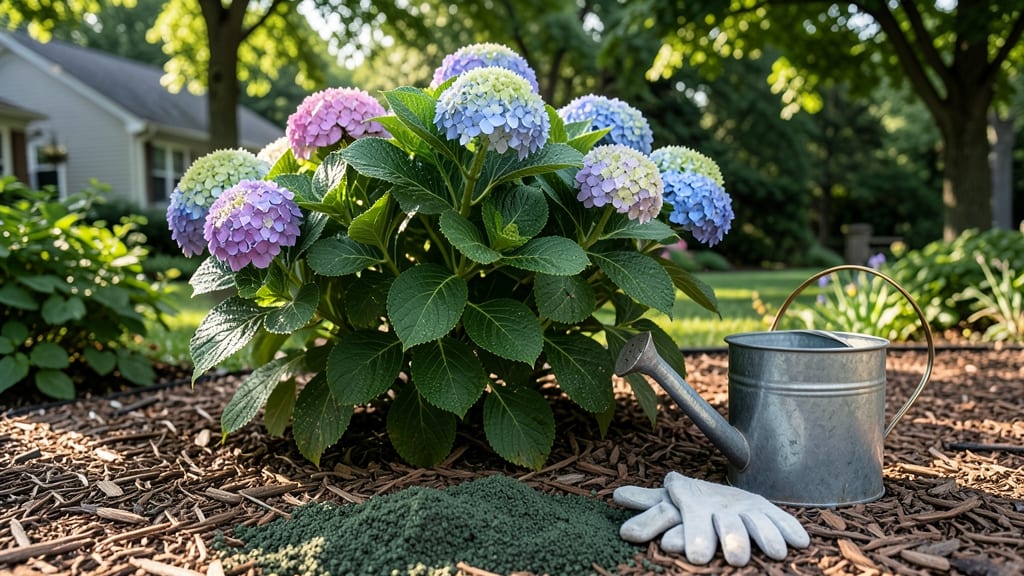
How to make hydrangeas bloom faster—your sleepy plants can transform into showstopping clusters in just 4-6 weeks. 🌸 The secret isn't complicated—it's about giving them what they crave most: acidic soil, consistent moisture, and the right kind of pruning. I've watched my own hydrangeas go from sparse blooms to lush, vibrant clusters by focusing on these three game-changers. Most gardeners overlook soil pH, but hydrangeas are divas about it. A simple soil test and a few amendments can shift their color from blue to pink—or make their blooms 30% larger—by encouraging stronger root growth. Watering matters too: soggy soil causes rot, while dry spells stress the plant, both of which delay blooms. Once you get the basics right, you'll notice new flower buds forming within 2-3 weeks. The key is timing—prune at the right moment, feed with the right fertilizer, and watch as your plants burst into color weeks ahead of schedule. This works for mophead, panicle, and lacecap varieties alike. The best part? These techniques work year after year, turning your hydrangeas into the neighborhood's most talked-about summer display. Let's get those blooms popping faster than you thought possible.
📚 In This Guide
- What you need
- Instructions
- Tips and common mistakes
- Wrapping up and next steps
What you need
- ● Hydrangeas: Mature plants (at least 2–3 years old) with established root systems. Quantity: 1–5 plants, depending on your garden size.
- ● Sulfur powder (for acidifying soil): Quantity: 1–2 lbs per 100 sq ft. Specs: Pure, granular sulfur (90%+ purity).
- ● Peat moss or pine bark: Quantity: 2–3 gallons per plant. Specs: Organic, acid-loving material (pH 4.0–5.5).
- ● Balanced fertilizer (10-10-10 or 20-20-20): Quantity: 1 tbsp per plant. Specs: Slow-release or water-soluble.
- ○ Aluminum sulfate (optional, for deeper color): Quantity: 1–2 tbsp per plant. Specs: Food-grade, water-soluble.
- ● pH testing kit: Digital or liquid test strips to monitor soil acidity (ideal pH: 5.0–6.0 for hydrangeas).
- ● Garden gloves: Heavy-duty to protect hands from sulfur and soil.
- ● Watering can or hose: With a gentle spray nozzle for even watering.
- ● Pruning shears: Sharp, sterilized shears for trimming dead blooms or stems.
- ○ Mulch (optional): Pine needles, oak leaves, or shredded bark to retain moisture and acidity.
- ● Sunlight: Hydrangeas thrive in partial shade (4–6 hours of morning sun). Avoid harsh afternoon sun.
- ● Water access: Consistent moisture (1–2 inches per week). Pro tip: 💡 Use a drip irrigation system for precision!
- ● Time commitment: 10–15 minutes daily for watering and 1–2 hours monthly for soil checks.
- ● Patience: Results may take 4–8 weeks after soil treatment, but the blooms are worth it!
Step-by-Step instructions for revitalizing hydrangeas
Here’s how to jumpstart blooms using science-backed soil adjustments and care tweaks.
🌱 Step 1: Test and Adjust Soil pH for Optimal Blooming
Hydrangeas thrive in acidic soil with a pH between 5.2 and 6.0—this is non-negotiable for vibrant blooms. Grab a soil test kit (available at garden centers) and dig 2-3 inches deep near the plant’s base. If your reading is above 6.0, you’ll need to acidify. I use elemental sulfur or peat moss—both lower pH gradually over 4-6 weeks. Sprinkle 1-2 pounds of sulfur per 100 square feet of soil and water thoroughly.
Watch for yellowing leaves with green veins—this classic sign means your soil is too alkaline. Once adjusted, hydrangeas will show deeper green foliage within 2-3 weeks, signaling they’re ready for peak blooming. Avoid quick-fix vinegar solutions; they burn roots and disrupt nutrient balance.
☀️ Step 2: Prune Strategically to Encourage New Growth
Timing is everything: prune immediately after flowering (late summer to early fall) for next year’s blooms. Cut back old wood (last year’s stems) by one-third, focusing on dead, damaged, or crossing branches first. For mophead and bigleaf varieties, new blooms form on current year’s growth, so avoid heavy pruning in spring—you’ll sacrifice flowers.
Use clean, sharp pruners and make cuts at a 45-degree angle just above a bud or leaf node. You’ll notice fresh green shoots within 2-3 weeks—this is your plant’s way of saying, “I’m ready for more blooms!” If your hydrangea is woody and overgrown, prune in stages over 2-3 years to avoid shock.
💧 Step 3: Water Deeply and Consistently for Hydration
Hydrangeas hate drought stress—it causes buds to drop before opening. Water deeply 1-2 times per week (or daily in 90°F+ heat), ensuring 12-18 inches of soil stay moist. Use a soaker hose or drip irrigation to deliver water slowly at the base, avoiding wetting leaves (this prevents fungal diseases like powdery mildew).
Check moisture by digging 2 inches deep—if the soil feels dry, it’s time to water. You’ll see perky, upright stems and firm buds as a sign your plant is hydrated. Mulch with 2-3 inches of pine bark to retain moisture and keep roots cool. Avoid overhead sprinklers; they encourage bud rot and leaf spot diseases.
✂️ Step 4: Feed with the Right Fertilizer for Color Intensity
For blue blooms, feed with aluminum sulfate (follow package rates) every 4-6 weeks during growing season. For pink or purple blooms, use a balanced fertilizer (10-10-10) to avoid over-acidification. I mix ½ cup of 10-10-10 into the soil at the drip line (12 inches from the stem) in early spring and mid-summer. Water immediately after applying to prevent root burn.
Watch for buds forming in late spring—this is your reward for proper feeding. If buds appear but fail to open, your plant may need more phosphorus (the middle number in fertilizer ratios). A foliar spray of seaweed extract (every 2 weeks) boosts bloom production without overloading the soil.
🌿 Step 5: Protect from Stressors That Delay Blooming
Hydrangeas hate sudden changes—so avoid moving them to new locations mid-season. If you must relocate, harden off by placing the pot in the new spot for 1-2 hours daily over 7-10 days before full transition. Also, watch for pests: aphids, spider mites, and scale sap nutrients, causing stunted growth and poor blooms. Spray with neem oil (mix 1 tbsp per gallon of water) if you spot sticky residue on leaves (aphid honeydew).
Finally, avoid late-season fertilizing (after August 15 in most climates). New growth won’t harden off before winter, leading to frost damage. Instead, focus on mulching deeply to insulate roots. You’ll see stronger stems and larger buds next spring—proof your plant is prepped for a showstopping bloom season.
Tips & tricks for revitalizing hydrangeas
Here's what I learned after years of coaxing stubborn hydrangeas into vibrant bloomers—these tricks cut the guesswork and deliver results.
Soil pH Timing: The 4-6 week adjustment period for soil pH is critical, but don't rush it. Test again after 4 weeks—if your pH is still above 6.0, apply another 1-2 pounds of sulfur per 100 square feet. I've seen plants that needed two applications before reaching the ideal 5.2-6.0 range. The key is patience; hydrangeas respond slowly to pH changes, and forcing it with quick fixes like vinegar only burns roots.
Pruning Precision: When you're cutting back old wood in Step 2, look for stems that are thicker than a pencil—they're last year's growth where blooms formed. Make your cuts just above a leaf node where new growth emerges. I always sanitize my pruners with rubbing alcohol between cuts to prevent spreading disease. For overgrown bushes, prune in stages over 2-3 years rather than all at once, which can shock the plant and delay blooming.
Watering Wisdom: The 12-18 inch moisture zone is deeper than you might think. Use a soil probe or long screwdriver to check moisture levels—this helps you gauge whether your watering is reaching the roots. In extreme heat (90°F+), I set up a drip irrigation system on a timer for 15 minutes twice daily rather than relying on hand watering. The goal is consistent moisture without waterlogged soil, which can cause root rot.
Fertilizer Strategy: For aluminum sulfate applications, I mix it with water first (following package rates) and apply it directly to the soil surface, then water thoroughly. This prevents salt burn on roots. The 2-week seaweed extract spray is my secret weapon for bud formation—it's like a vitamin boost for your hydrangeas. Apply it in the morning so the leaves have time to dry before evening, reducing fungal risks.
Pro Tips for Make Hydrangeas Bloom Faster
- Here's what I learned after years of coaxing stubborn hydrangeas into vibrant bloomers—these tricks cut the guesswork...
- Soil pH Timing: The 4-6 week adjustment period for soil pH is critical, but don't rush it. Test again after 4 weeks—i...
- Pruning Precision: When you're cutting back old wood in Step 2, look for stems that are thicker than a pencil—they're...
Frequently asked questions
Can I make hydrangeas bloom faster in pots?
Potted hydrangeas often bloom faster because you have full control over soil acidity and nutrients. Use a balanced, acidic pH soil mix (5.2–6.0) and feed them with hydrangea-specific fertilizer every 4–6 weeks. Place pots in bright, indirect sunlight (6+ hours/day) to accelerate growth. Just ensure pots have drainage holes to prevent root rot!
How long does it take to see faster blooms?
With the right care—like adjusting soil pH, pruning correctly, and consistent watering—you’ll notice new buds forming in 4–8 weeks. For established plants, vibrant blooms may appear in 6–10 weeks. Patience pays off, but daily checks for pests or nutrient deficiencies can prevent delays!
Do hydrangeas need more water to bloom faster?
Not necessarily! Overwatering can stress roots and delay blooms. Instead, aim for 1–1.5 inches of water per week (including rain). Keep soil consistently moist but not soggy, especially during bud formation. Mulch around the base to retain moisture and regulate soil temperature.
What if my hydrangeas still won’t bloom?
Try these troubleshooting steps:
- Check soil pH: Use a test kit—hydrangeas need acidic soil (4.5–6.0) for vibrant blooms.
- Prune properly: Cut back dead or overgrown stems in early spring (after last frost) to encourage new growth.
- Fertilize: Use a low-nitrogen, high-phosphorus fertilizer (like 5-10-5) to boost flowering.
- Watch for pests: Spider mites or aphids can sap energy—spray with neem oil if needed.
Can I change hydrangea flower colors faster?
Yes! Flower color depends on soil pH:
Color
Soil pH
Adjust With
Blue/Purple
5.2–5.5
Aluminum sulfate or peat moss
Pink/Red
6.0–7.0
Lime or wood ash
Wrapping up and next steps
With the right care—like adjusting soil pH, pruning wisely, and feeding your hydrangeas with patience—you’ll soon be rewarded with show-stopping blooms that burst with color! 🌸 The secret isn’t just about speed; it’s about creating the perfect conditions for your plants to thrive.
Now that you’re armed with these tricks, grab your gloves, get outside, and give your hydrangeas the love they deserve—your garden will thank you!
Ready to see those blooms pop even faster? Start with one small step today—check your soil pH or trim those leggy stems—and watch your hydrangeas shine! 🌿