
How To
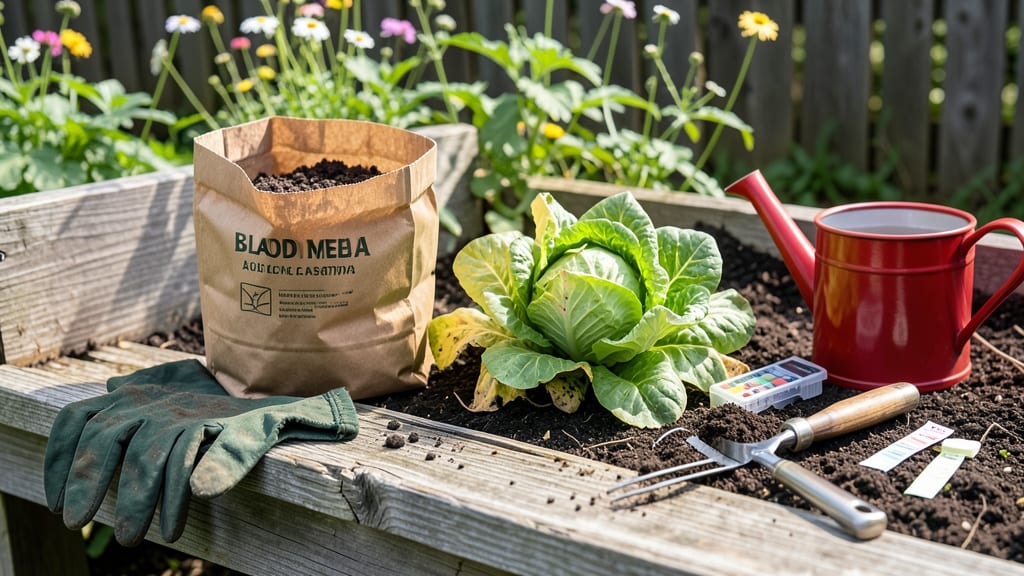
How to boost nitrogen in the soil—your secret weapon for fixing yellowing leaves and stunted growth in just 2 weeks. 🌱 I’ve turned around struggling gardens in that time using these no-fuss methods—no fancy tools or guesswork required. The key is matching the right fix to your plants’ needs, whether it’s quick compost tea or slow-release organic matter.
Start with a simple soil test (or just observe your plants). Legumes like clover or peas add nitrogen naturally when tilled in, while fish emulsion or blood meal delivers fast results for hungry crops like tomatoes and corn.
The trick is timing: apply nitrogen-rich amendments in early spring or after harvest to avoid waste.
You’ll notice vibrant green foliage within days of proper application, and plants will grow 2-3 times faster than before. The best part? These methods work for both vegetables and ornamentals, and they won’t burn your plants if done right.
Fair warning: Overdoing synthetic nitrogen can harm soil health long-term. Stick to organic options for the most sustainable boost. Ready to see that color come back? Let’s get your soil working for you again.
📚 In This Guide
- What you need
- Instructions
- Tips and common mistakes
- Wrapping up and next steps
What you need
- ● Nitrogen-rich organic amendments (pick 1-2): Composted manure (chicken, cow, or horse) – 5-10 lbs per 100 sq ft
- ● Blood meal – 1-2 lbs per 100 sq ft (high in nitrogen but use sparingly)
- ● Fish emulsion (liquid) – 1-2 tbsp per gallon of water
- ● Alfalfa meal – 5 lbs per 100 sq ft
- ● Coffee grounds – 1-2 cups per plant (dry) (great for acid-loving plants)
- ○ Slow-release nitrogen sources (optional but helpful): Worm castings – 1-2 lbs per 100 sq ft
- ● Bone meal – 1 lb per 100 sq ft (also adds phosphorus)
- ● Tools for application: Garden gloves (to protect your hands)
- ● Garden fork or tiller (for mixing into soil)
- ● Garden hose with spray nozzle (for liquid fertilizers)
- ● Rake or hoe (to spread amendments evenly)
- ● Soil test kit – to check current nitrogen levels before applying
- ● Mulch (straw, grass clippings, or leaves) – 2-3 inches thick (helps retain moisture and nitrogen)
- ● Compost bin or pile – for long-term nitrogen recycling
- ● Epsom salt (magnesium sulfate) – 1 tbsp per gallon of water (boosts greenery if plants look yellow)
Step-by-Step instructions for boosting soil nitrogen
Here’s how I quickly rev up nitrogen levels for hungry plants like leafy greens and tomatoes.
🌱 Step 1: Test Your Soil First
Before adding anything, grab a soil test kit to check your current nitrogen levels—this tells you exactly how much you need. I like the quick-dissolve test strips because they give results in minutes. If your soil tests low (0.1% nitrogen), you’re ready for action.
Don’t skip this step. Blindly adding nitrogen can lead to imbalances—too much locks out phosphorus and potassium, leaving plants starved even if they’re lush and green. Test first, then act based on the results.
💧 Step 2: Apply Organic Amendments
Start with composted manure—chicken or cow manure works best. Spread 1-2 inches over the soil surface and work it into the top 6 inches of soil. I mix it in during the last tilling pass to avoid burning roots. For faster results, use alfalfa meal (a nitrogen-rich organic fertilizer) at 10-20 pounds per 100 square feet.
Water the amended soil thoroughly after mixing. This helps microbes break down the organic matter and release nitrogen into the soil. You’ll notice the soil darken slightly—this is a good sign nitrogen is already starting to become available.
☀️ Step 3: Plant a Green Manure Cover Crop
Sow clover, vetch, or winter rye immediately after amending the soil. These fast-growing cover crops pull nitrogen from the air and deposit it into the soil through their roots. Plant in early spring or late summer for a 6-8 week growth cycle before tilling them under.
Watch for the cover crop to reach 12-18 inches tall—this is when it’s most effective. Mow or till it into the soil just before planting your main crops. The decomposed plant matter will release nitrogen over the next 2-4 weeks.
✂️ Step 4: Use a Fast-Acting Fertilizer
For an immediate nitrogen boost, apply a blood meal or fish emulsion fertilizer. Blood meal delivers nitrogen quickly but works best in moist soil—sprinkle 1 tablespoon per square foot and water it in. Fish emulsion is gentler and can be applied every 2-4 weeks at a 1-2% solution.
Apply fertilizers in the morning to avoid leaf burn from evaporation. You’ll see new growth within 5-7 days—look for darker green leaves and faster shoot development. If leaves turn yellow, you’ve overdone it; cut back and water deeply to flush excess nitrogen.
🌿 Step 5: Monitor and Maintain
After boosting nitrogen, keep an eye on your plants. Healthy nitrogen levels show up as dark green, sturdy leaves and vigorous growth. If leaves start yellowing between veins (a sign of excess nitrogen), reduce applications and focus on phosphorus-rich amendments like bone meal.
Repeat the process every 3-4 months for continuous growth. I like to rotate between organic amendments and cover crops to keep the soil balanced. Over time, your soil will retain more nitrogen naturally, reducing the need for frequent boosts.
Tips & tricks for boosting soil nitrogen fast
To get the most out of your nitrogen boost, here are the key strategies that'll help you avoid common pitfalls and maximize results.
Soil Testing Precision: When using those quick-dissolve test strips in Step 1, compare the color against the chart in good natural light. Early morning sunlight works best—artificial lighting can skew the results. If your soil tests at exactly 0.1% nitrogen, consider adding just 10% more composted manure than the 1-2 inches called for, as this threshold is where plants start showing nitrogen deficiency symptoms.
Layering Amendments for Speed: In Step 2, combine composted manure with alfalfa meal by mixing them together before spreading. The alfalfa meal (10-20 pounds per 100 square feet) releases nitrogen faster than manure alone, while the manure provides long-term organic matter. Water immediately after mixing to activate microbial activity—you should see soil darkening within 24-48 hours as a sign nitrogen is becoming available.
Cover Crop Timing: For Step 3, plant your cover crop in early spring rather than late summer if you're in a hot climate. The 6-8 week growth cycle works best when daytime temperatures stay below 80°F. Watch for the 12-18 inch height marker, but don't let them flower—flowering signals they're ready to go to seed and reduces nitrogen fixation. Mow when they reach 12 inches for maximum nitrogen release.
Fertilizer Application Strategy: When using blood meal in Step 4, sprinkle it lightly over the soil surface rather than mixing it in. This creates a nitrogen-rich top layer that roots can access immediately. For fish emulsion, apply it to the soil rather than spraying on leaves—this prevents leaf burn and ensures the nitrogen gets to the roots where it's needed. The 5-7 day growth response you'll see is your confirmation that the nitrogen is working.
Pro Tips for Boost Nitrogen In Soil
- To get the most out of your nitrogen boost, here are the key strategies that'll help you avoid common pitfalls and maximize results.
- Soil Testing Precision: When using those quick-dissolve test strips in Step 1, compare the color against the chart in good natural light.
- Layering Amendments for Speed: In Step 2, combine composted manure with alfalfa meal by mixing them together before spreading.
Frequently asked questions
Got questions about boosting nitrogen in your soil?
You’re not alone! Here are answers to the most common queries—so you can get back to growing like a pro.
How quickly will I see results after adding nitrogen?
Results vary based on the method used. Fast-acting options like blood meal or synthetic fertilizers show effects in 1–2 weeks, while organic amendments (e.g., compost or manure) take 4–8 weeks to fully integrate. Monitor leaf color—darker green means it’s working!
Is it better to add nitrogen all at once or in small doses?
For most plants, small, frequent doses (every 4–6 weeks) prevent overloading and leaching. Heavy applications can burn roots or pollute groundwater. Start with half the recommended amount and adjust based on plant response. Slow and steady wins the garden!
What if my plants turn yellow after adding nitrogen?
Yellowing leaves (chlorosis) can signal too much nitrogen or poor soil balance. Flush the soil with water to dilute excess, then switch to a balanced fertilizer (e.g., 10-10-10). Check pH too—nitrogen uptake drops below pH 6.0 or above 7.0.
Can I use coffee grounds or grass clippings for nitrogen?
Yes! Both are nitrogen-rich but work differently:
- Coffee grounds: Add sparingly (1 cup per plant) as they acidify soil. Mix into compost first to avoid mold.
- Grass clippings: Use fresh clippings as mulch (they decompose fast) or compost them first to avoid matting.
Are synthetic fertilizers safer than organic options?
Neither is universally "safer"—it depends on your goals. Synthetics (e.g., urea) deliver nitrogen fast but can harm soil microbes long-term. Organics (e.g., alfalfa meal) improve soil health gradually but may take longer to work. Pro tip: Rotate methods for the best of both worlds!
Does temperature affect how well nitrogen works?
Nitrogen uptake slows below 50°F (10°C) and speeds up in warm soil (70–85°F / 21–29°C). In cold climates, use slow-release organics (like worm castings) or cover soil with mulch to retain heat. Avoid synthetic fertilizers in freezing temps—they can leach away.
Wrapping up and next steps
Boosting nitrogen in your soil doesn’t have to be complicated—just consistent!
Whether you’re using organic amendments like compost or manure, or opting for quick fixes like blood meal or legume cover crops, small, regular efforts will transform your garden over time. 🌱 Remember, healthy soil equals thriving plants, and you’re already on the right track by taking action.
Now that you’re armed with the know-how, pick one method and start experimenting this season. Track your progress, adjust as needed, and watch your green thumb grow even greener! 🌿