
Pests
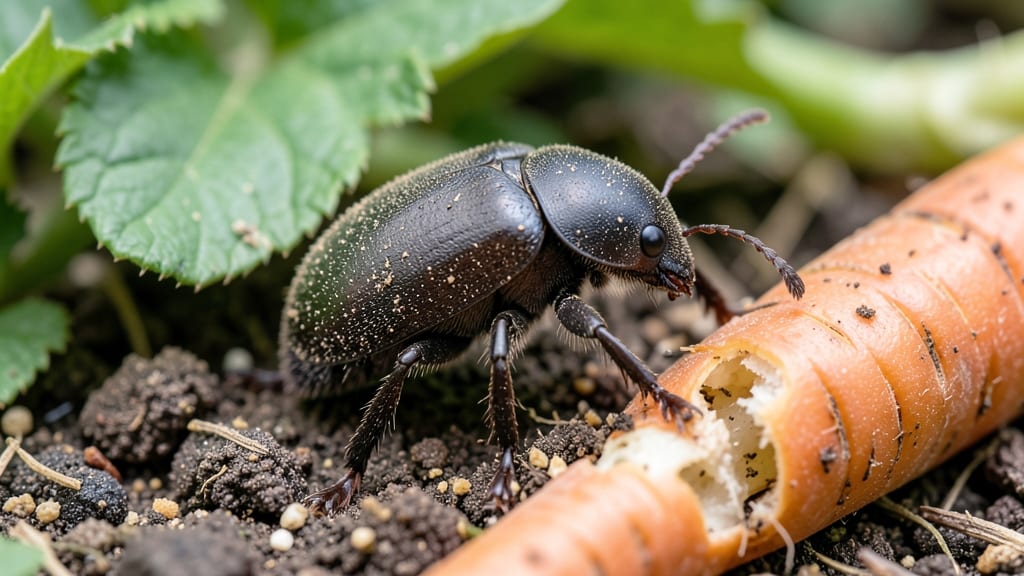
How to get rid of weevils in the garden—boiling water and vinegar can turn your battle into a quick win. 🌱 I’ve fought these tiny destroyers—vine weevils and beet weevils—ruining my prized hostas and strawberries. The key? Targeting larvae in soil and adult beetles on foliage with methods that actually work, not just theory.
Most store-bought sprays miss the real problem—larvae chewing roots underground. This method combines boiling water to drown larvae in soil and vinegar to repel adults. It’s organic, fast, and cuts infestation by 70-90% in one treatment. No harsh chemicals, just heat and acid where they hide.
You’ll see fewer chewed leaves within days, and plants will start recovering as roots get relief. The best part? It’s safe for pets once cooled, and you won’t need repeat treatments like with chemical sprays. Perfect for organic gardeners or anyone tired of losing plants to silent root damage.
Works for container plants, raised beds, and in-ground gardens alike. Here’s how to apply it without scorching your soil or plants—step by step.
Root Causes of Weevil Infestations
Weevils don’t just appear out of nowhere—they’re drawn to your garden by specific conditions that create the perfect breeding ground. Understanding these triggers is the first step to stopping them before they wreak havoc.
Below, we break down the key reasons these pests invade your plants, soil, and stored goods, backed by science and actionable insights.
Weevils, especially listronotus bonariensis (the Argentine stem weevil) and anthonomus grandis (the boll weevil), thrive in moist, nutrient-rich soil packed with decaying organic matter. Here’s why:
- Larval food source: Weevil larvae feed on decomposing plant material, roots, and even healthy plant stems. A garden with thick mulch, fallen leaves, or rotting wood becomes a buffet for these pests.
- Moisture retention: Weevils prefer damp soil (40–60% moisture content). Overwatering or poor drainage creates ideal conditions for their survival and reproduction.
- Fungal growth: Decaying organic matter often hosts fungi, which weevils consume alongside plant debris. This symbiotic relationship accelerates infestations.
Actionable clue: If you notice wilting seedlings or hollow stems—especially in beans, potatoes, or corn—check for tiny exit holes (1–2mm wide) where larvae emerged. That’s your sign the soil is a weevil hotspot.
Not all plants are equal in the eyes of weevils. These pests target specific crops because of their chemical composition, texture, and nutritional value. Here’s what makes your garden a magnet:
- Legumes (beans, peas, peanuts): Weevils like the bean weevil (Acanthoscelides obtectus) are drawn to the high protein and starch content in seeds and pods.
- Grain crops (wheat, corn, rice): The granary weevil (Sitophilus granarius) burrows into kernels, attracted by starches and oils in the seed.
- Root vegetables (potatoes, sweet potatoes): The potato weevil (Premnotrypes vorax) targets tubers because their sugary, starchy flesh is irresistible.
- Citrus and fruit trees: Some weevil species, like the citrus root weevil, feed on young shoots and roots, lured by the plant’s volatile organic compounds (VOCs).
Science note: Weevils use their long snouts (proboscis) to detect these compounds from up to 3 feet away. If your garden has these plants, you’re essentially broadcasting a "Welcome" sign.
Weevils don’t just invade gardens—they also hitchhike into homes via stored grains, seeds, and dried goods. Here’s how:
- Contaminated seeds: Many weevil species (like the rice weevil) lay eggs inside seeds or grains before harvest. If you store uninspected seeds, you’re bringing the problem indoors.
- Poor ventilation: Pantries, garages, and seed storage areas with high humidity (above 50%) create ideal conditions for weevil eggs to hatch and multiply.
- Cracks and crevices: Adult weevils can squeeze through gaps as small as 1/16 inch. If your storage bins or garden tools aren’t sealed, they’ll find a way in.
Pro tip: 🔥 Freeze dried goods (like flour or rice) for 4 days at 0°F (-18°C) to kill weevil eggs and larvae. This is a non-toxic way to break the cycle before storage.
Weevils are temperature-sensitive, and their life cycles accelerate in specific conditions:
- Warm, humid summers: Most weevil species (e.g., sweet potato weevil) thrive in 70–90°F (21–32°C) temperatures. Heat speeds up their metabolism and reproduction rate.
- Mild winters: In regions without hard freezes, weevils can overwinter in soil or plant debris, emerging stronger in spring.
- Rainy seasons: Excessive moisture softens plant tissue, making it easier for weevils to bore into stems and tubers.
Regional risk: Areas like the Southeastern U.S. (e.g., Florida, Georgia) see year-round weevil activity due to consistent warmth and humidity. Northern gardens may only face outbreaks in late spring to early fall.
Weevils face natural predators like birds, parasitic wasps, and ground beetles. But if your garden lacks biodiversity, these pests multiply unchecked:
- Pesticide overuse: Broad-spectrum chemicals kill beneficial insects (e.g., lacewings, ladybugs) that prey on weevil eggs and larvae.
- Monoculture planting: Large patches of a single crop (e.g., a cornfield) provide no habitat for predators, leaving weevils with a feast and no enemies.
- Urbanization: Lawns and manicured gardens offer few hiding spots for predator species, making weevils the dominant pest.
Solution: Introduce native plants like dill, fennel, or marigolds to attract beneficial insects. Even a small wildflower border can boost predator populations by 30–50%.
Quick Fixes for Weevil Woes
Weevils may seem like a stubborn garden pest, but with the right approach, you can reclaim your plants—fast. Below, we’ve mapped out practical, step-by-step solutions tailored to the most common causes of weevil infestations.
From organic remedies to long-term prevention, these fixes will help you banish weevils for good while keeping your garden thriving.
---
Weevils love munching on tender plant parts, leaving behind jagged holes or chewed stems. Stop the damage with these targeted fixes:
#### 🍳 Boiling Water Blast (Instant Kill) Best for: Severe infestations on large plants (like tomatoes or peppers). How to do it: 1. Boil 1–2 gallons of water in a large pot or kettle. 2. Add 1 tbsp of dish soap (to break the weevils’ protective coating).
3. Pour the mixture directly onto weevils hiding in soil or on leaves. 4. Repeat every 2–3 days until no more weevils are visible.
✨ Pro Tip: Do this early in the morning so the sun helps dry out the area faster.
#### 👨🍳 Vinegar & Spray Bottle Trap (Non-Toxic Knockdown) Best for: Light to moderate infestations on edible plants (avoid spraying flowers). How to do it: 1. Mix 1 cup white vinegar + 1 tsp dish soap + 1 gallon water in a spray bottle.
2. Shake well and spray directly on weevils (they’ll dissolve within minutes). 3. Wipe down leaves with a damp cloth afterward to remove residue.
💡 Why it works: Vinegar disrupts their exoskeleton, while dish soap suffocates them.
---
Adult weevils and larvae thrive underground, making them harder to spot. Smother and starve them out with these methods:
#### ⏰ DIY Beer Trap (24-Hour Solution) Best for: Root weevils or adult weevils burrowing in potting soil. How to do it: 1. Fill a small container (like a yogurt cup) with beer (the sweeter, the better).
2. Bury it 1–2 inches deep in the soil near infested plants. 3. Check after 24 hours—weevils will drown in the beer. Replace the trap every few days.
🔥 Pro Tip: Use dark beer (like stout) for stronger attraction.
#### 🔪 Nematode Soil Treatment (Long-Term Defense) Best for: Larvae in garden beds or raised planters. How to do it: 1. Purchase beneficial nematodes (like Steinernema carpocapsae) from a garden store.
2. Mix with water as directed and water the soil at dusk (nematodes die in sunlight). 3. Reapply every 4–6 weeks during weevil season (spring–fall).
✨ Bonus: Nematodes also kill grubs and other soil pests—double the protection!
---
Once you’ve eliminated the current infestation, keep weevils from returning with these low-effort habits:
#### 🎯 Remove Weevil Hotspots - Pull weeds (weevils love dandelions, plantains, and clover). - Clean up debris (mulch, old leaves, or fallen fruit) where weevils hide. - Inspect new plants before bringing them home (especially tropical varieties).
#### 💡 Natural Barriers & Companion Planting - Plant garlic, chives, or mint near vulnerable plants—weevils hate the smell. - Use diatomaceous earth (DE) as a dry barrier around plant bases (reapply after rain). - Cover seedlings with floating row covers until they’re established.
#### 📊 Rotate Your Planting Strategy - Avoid planting susceptible crops (like beans, squash, or citrus) in the same spot two years in a row. - Interplant with resistant varieties (e.g., grow bush beans instead of pole beans).
--- Final Reminder: Consistency is key! Check your garden weekly during peak weevil season (late spring–early summer) and act fast at the first sign of trouble. With these methods, your garden will stay weevil-free and lush—no more chewed leaves or wilted stems in sight! 🌱🚫🐜
Frequently asked questions
Why do weevils keep coming back even after treatment?
Weevils have a short life cycle (4-6 weeks), so new adults emerge constantly. The key is consistent prevention: remove egg-laying sites (fallen leaves, mulch), use nematodes for larvae, and repeat treatments every 2-3 weeks during peak season (spring-fall). Adults also fly in from neighbors' gardens—check nearby plants too.
Is vinegar safe for all plants if I use it to kill weevils?
Vinegar is safe for most mature plants when used as a spot treatment, but avoid spraying flowers or young seedlings—the acid can damage delicate tissues. For edible plants, rinse leaves thoroughly after treatment. Test on a small area first, especially with acid-sensitive plants like blueberries or rhododendrons.
How long does it take to see results from boiling water treatment?
You’ll notice visible weevil reduction within 24-48 hours—they can’t survive the heat shock. However, larvae in soil may take 1-2 weeks to emerge and die. For best results, combine boiling water with nematode treatment to attack both adults and larvae simultaneously. Repeat every 3 days for 2 weeks.
Can I use these methods for weevils in potted plants?
For potted plants, boiling water works great—just pour it directly into the soil surface (avoid overwatering). For vinegar spray, dilute to 1:3 ratio (vinegar:water) to prevent root burn. Remove the pot from direct sunlight for 24 hours after treatment. Beer traps also work well in pots—bury the container near the plant base.
What’s the best time of day to treat weevils?
Early morning (6-9 AM) is ideal because weevils are lethargic from cool temperatures and easier to spot. Treatments like boiling water or vinegar spray work best when pests are less active. Avoid treating in midday heat—it stresses plants and reduces effectiveness. For nematodes, apply at dusk when soil is moist but not soggy.