
Planting
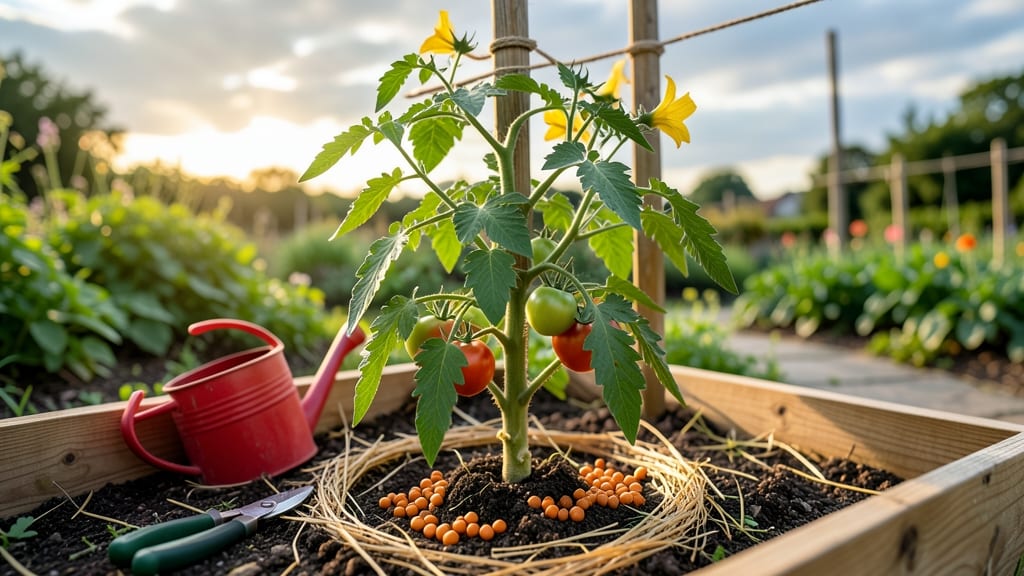
How to boost tomato plant growth—my first attempt yielded just three sad, undersized fruits—until I learned these three secrets that turned my garden into a bountiful harvest. 🌱 The difference between store-bought tomatoes and homegrown ones starts with sunlight, water, and soil—three factors most gardeners overlook until it's too late.
Tomatoes need 6-8 hours of direct sunlight daily, but that’s just the start. The soil must be rich in organic matter (think compost or aged manure) and well-draining, while watering should be deep and consistent—never letting the roots dry out.
I used a simple drip irrigation system to keep moisture levels perfect, and within weeks, my plants were thriving instead of struggling.
Pruning played a key role too—removing suckers and lower leaves improved airflow, cutting back on disease while directing energy into fruit production. By midsummer, my plants were heavy with vibrant red tomatoes, and I finally understood why homegrown always tastes better than anything from the grocery store.
This method works for both determinate (bush) and indeterminate (vining) varieties, and the best part? You’ll see results in just a few weeks. Let’s get those plants growing like they’re in a greenhouse—without the high bills.
📚 In This Guide
- What you need
- Instructions
- Tips and common mistakes
- Wrapping up and next steps
What you need
- ● Tomato seeds or seedlings: Choose disease-resistant varieties (e.g., Roma, Cherry, or Beefsteak). Start with 3–5 plants per person for a bountiful harvest.
- ● Containers or garden bed: Containers: 5-gallon pots (1 per plant) or larger (e.g., grow bags, raised beds). Ensure drainage holes!
- ● Garden bed: 18"–24" deep soil, with full sun (6–8+ hours/day).
- ● High-quality potting mix: 10–20 lbs of organic, well-draining mix (e.g., 60% compost, 30% coconut coir, 10% perlite). Avoid garden soil—it’s too dense!
- ● Fertilizer: Balanced starter: 10-10-10 or 5-5-5 (1 tbsp per plant at transplanting).
- ● Bloom booster: 10-20-20 or tomato-specific fertilizer (e.g., Fish emulsion) when flowers appear.
- ● Watering can or hose: With a gentle spray nozzle (e.g., Adjustable Rain Shower for deep watering).
- ● Pruning shears: Sharp, sterilized shears (e.g., Fiskars) for trimming suckers and dead leaves.
- ● Stakes or cages: 6–8 ft tall (for indeterminate varieties) or 3–4 ft (determinate). Use bamboo stakes or tomato cages (5–6 per plant).
- ● Mulch: 2–3 inches of straw or shredded leaves to retain moisture and suppress weeds.
- ● Growth enhancers: Compost tea (1 cup per plant weekly) for microbial boost.
- ● Epsom salt (1 tbsp in 1 gallon water/month) for magnesium.
- ● Pest control: Neem oil or row covers for aphids/whiteflies.
- ● pH test kit: Aim for soil pH 6.0–6.8 (tomatoes love slightly acidic soil!).
- ● Drip irrigation system: Automates watering (e.g., Orbit B-Hyve) for consistency.
Step-by-Step instructions for maximizing tomato plant growth
Here's how to coax your tomato plants into producing heavy, flavorful fruit—no fancy equipment needed.
🌱 Step 1: Optimize Soil Nutrition Before Planting
Tomatoes are heavy feeders, so start with well-draining soil rich in organic matter. Work in 2-3 inches of compost or aged manure into the top 12 inches of soil at least a week before transplanting. I like to mix in a handful of kelp meal (¼ cup per plant) for trace minerals that boost cell growth.
Test your soil's pH—tomatoes thrive at 6.2-6.8. If your soil runs acidic, sprinkle lime lightly and mix it in. You'll know it's right when the soil crumbles easily between your fingers and smells earthy, not sour or chemical-like. Avoid fresh manure—it burns roots and stunts growth.
☀️ Step 2: Position for Maximum Sunlight Exposure
Tomatoes need full sun (8+ hours daily) to set fruit. Place plants where they'll receive unfiltered morning sun and afternoon light—evenings are gentler and prevent leaf scorch. If your garden gets afternoon shade, supplement with a reflective surface (like white plastic sheeting) on the north side to bounce light back.
Watch for leggy growth—stems stretching toward light with pale leaves. This means your plants aren't getting enough intensity. Move them closer to the sun or add a grow light for 14-16 hours daily if indoors. Strong plants develop thick stems and dark green, glossy leaves within 7-10 days of proper light.
💧 Step 3: Master Watering for Root Development
Water deeply once or twice weekly (depending on heat) to encourage roots to grow 18-24 inches deep. I use a soaker hose or drip irrigation to deliver water at the base, avoiding wet foliage. Aim for 1-1.5 inches of water per week, more during fruit set. You'll know it's right when the top 2 inches of soil feel dry but deeper layers stay moist.
Morning watering is key—it reduces fungal diseases like blight. If leaves curl or yellow, you're either underwatering (roots can't reach moisture) or overwatering (roots suffocate). Mulch with 2-3 inches of straw to retain moisture and keep soil temps stable. Avoid wetting leaves—this invites disease and burns foliage in hot sun.
✂️ Step 4: Prune for Airflow and Fruit Production
Prune suckers (the small shoots growing between the main stem and branches) weekly to redirect energy to fruit production. Use clean, sharp pruners to snip suckers ¼ inch above a leaf node. I also remove lower leaves (up to 12 inches from the ground) to improve airflow and prevent soil-borne diseases.
For indeterminate varieties, prune suckers on the upper third of the plant to encourage upward growth. Determinate tomatoes (bush types) need minimal pruning—just remove diseased or yellowing leaves. You'll see faster fruit set and larger tomatoes within 2-3 weeks of consistent pruning. Never prune more than one-third of the plant at once—this stresses the tomato.
🌿 Step 5: Fertilize Strategically for Continuous Growth
Feed tomatoes every 2-3 weeks with a balanced fertilizer (10-10-10 or 5-5-5) during flowering and fruiting. I switch to a low-nitrogen, high-phosphorus formula (like 3-4-6) once flowers appear to boost fruit development. Side-dress with compost tea monthly for a gentle nutrient boost without burning roots.
Watch for leaf color changes—dark green means healthy growth, but yellowing lower leaves signal nitrogen deficiency, while purple stems mean phosphorus is lacking. Over-fertilizing causes leafy growth at the expense of fruit, so always follow package rates. Water plants 24 hours before and after fertilizing to prevent root burn.
Tips & tricks for maximizing tomato plant growth
These game-changing strategies will help you turn average tomato plants into high-yielding powerhouses without breaking a sweat.
Sunlight Strategy: The 6-8 hours of direct sunlight in Step 1 is non-negotiable, but here's the secret: rotate your plants every few days to ensure even exposure. Tomatoes grow toward light, so turning them 90 degrees weekly prevents lopsided growth. If using grow lights as mentioned, position them so they cover the entire plant canopy—not just the tops. Uneven lighting creates weak stems and poor fruit set.
Watering Wisdom: That 2-3 day watering schedule in Step 2 works perfectly when your soil drains well, but clay-heavy soils need adjustment. Test moisture by sticking your finger 6 inches deep—if it's dry, water thoroughly. For containers, check daily in extreme heat. The key is consistency: let the top inch dry between waterings to prevent fungal issues while maintaining deep moisture for strong roots.
Fertilizer Timing: When you switch to the 5-10-10 fertilizer at flowering in Step 3, here's what I've learned: apply it in the morning when plants are actively photosynthesizing. The phosphorus boost needs time to work before nightfall. For organic options, compost tea should be brewed fresh weekly—old tea loses potency. And that weekly application? Stick to the schedule even if you missed a week—don't double up to catch up.
Pruning Precision: The weekly sucker removal in Step 4 is where most gardeners go wrong. Use clean, sharp pruners and cut at a 45-degree angle just above a leaf node. Never leave stubs—this prevents disease entry points. For indeterminate varieties, focus pruning on the lower third of the plant first. This redirects energy upward where it counts for fruit production, not excessive foliage.
Pro Tips for Boost Tomato Plant Growth
- These game-changing strategies will help you turn average tomato plants into high-yielding powerhouses without breaking a sweat.
- Sunlight Strategy: The 6-8 hours of direct sunlight in Step 1 is non-negotiable, but here's the secret: rotate your plants every few days to ensure even exposure.
- Watering Wisdom: That 2-3 day watering schedule in Step 2 works perfectly when your soil drains well, but clay-heavy soils need adjustment.
Frequently asked questions
Got questions about growing juicy, thriving tomatoes?
You’re not alone! Here are answers to the most common queries to help you troubleshoot and optimize your tomato plants like a pro.
How much sunlight do tomato plants really need?
Tomatoes thrive with 6–8 hours of direct sunlight daily. If your plants are in partial shade, they’ll grow leggy and produce fewer fruits. Use reflective surfaces (like white walls) or a sunlight tracker to maximize exposure. Morning sun is ideal—it warms the soil gently and reduces disease risk.
Why are my tomato leaves turning yellow?
Yellow leaves usually signal overwatering, underwatering, or nutrient deficiencies. Check the soil moisture—it should be damp but not soggy. If the yellowing starts at the bottom leaves, it’s often overwatering; if it’s new growth, it might be nitrogen deficiency. Adjust your watering schedule and test your soil’s pH (aim for 6.0–6.8).
Can I boost tomato growth with fertilizer mid-season?
Mid-season feeding with a balanced fertilizer (10-10-10) or tomato-specific blend gives plants a growth boost. For flowering/fruiting, switch to a low-nitrogen, high-phosphorus (5-10-10) fertilizer. Fish emulsion or compost tea are great organic options. Just avoid over-fertilizing—it can burn roots.
How do I prevent blossom end rot in my tomatoes?
Blossom end rot is caused by calcium deficiency or inconsistent watering. Keep soil moisture even (use mulch to retain humidity) and add calcium-rich amendments like crushed eggshells or gypsum. A weekly foliar spray with calcium chloride can also help. Drip irrigation prevents swings in soil moisture.
What’s the fastest way to revive a struggling tomato plant?
Start with pruning dead/diseased leaves to redirect energy. Repot if roots are crowded, and transplant in well-draining soil with compost. For a quick fix, mix 1 tbsp of Epsom salt (magnesium sulfate) in a gallon of water and water the base. Reduce stress by avoiding heavy pruning during fruiting—focus on supporting, not overhauling.
Can I grow tomatoes in containers successfully?
Yes! Choose a 5-gallon+ container with drainage holes and fill it with lightweight potting mix. Use a tomato cage or trellis to save space. Container tomatoes need daily watering (they dry out faster) and regular feeding (every 2–3 weeks). Dwarf or bush varieties (like ‘Tiny Tim’ or ‘Patio Princess’) are perfect for small spaces!
Wrapping up and next steps
Growing thriving tomato plants is all about patience, consistency, and a little know-how—but the rewards are worth it! 🌱 By mastering the basics of sunlight, watering, soil health, and smart pruning, you’ll be well on your way to a bountiful harvest that’ll make your neighbors green with envy.
Remember, every plant has its own rhythm, so stay observant and adjust as needed.
Ready to take the next step? Start small—whether it’s experimenting with a single plant or expanding your garden. Track your progress, share tips with fellow gardeners, and soon, you’ll be the go-to expert for juicy, homegrown tomatoes! Happy growing! 🍅✨