
Propagation
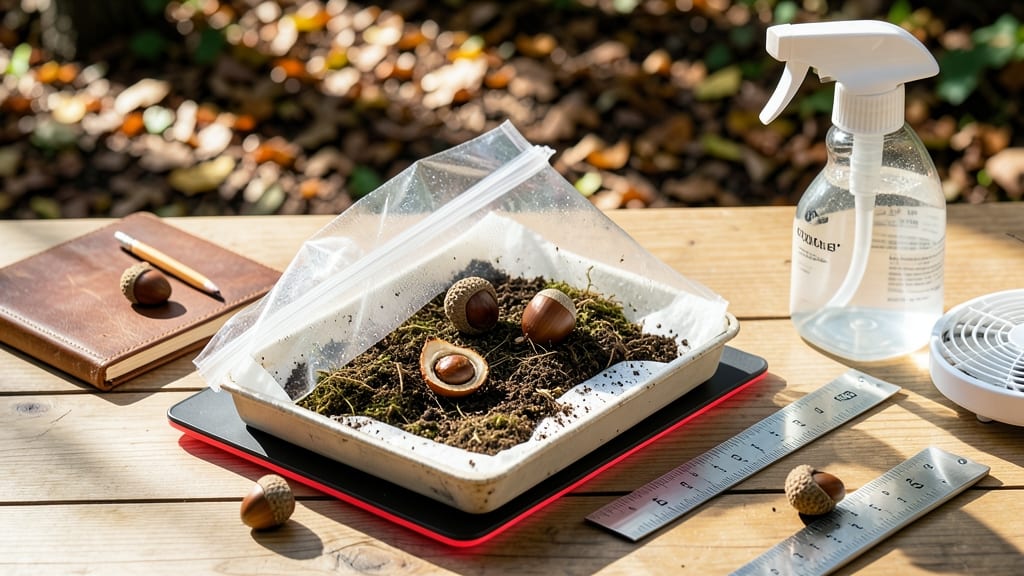
How to germinate oak seeds turns stubborn acorns into sprouts with the right cold-moist stratification. 🌱 I’ve watched hundreds of acorns rot in damp paper towels—until I discovered the exact moisture balance that finally worked. The key isn’t just cold, it’s consistent dampness without soggy mess. You’ll need a sealed container, damp sphagnum moss or sand, and patience—oaks take 3-6 months to break dormancy. Most people overwater, creating mold. I learned the hard way: keep it moist like a wrung-out sponge, not a swamp. A small fan helps prevent fungal issues while maintaining humidity. Once stratified, plant them 1 inch deep in well-draining soil. They’ll emerge slowly—sometimes in spring, sometimes next year—but each sprout is worth the wait. The first true leaves appear 6-12 months after planting, and that’s when the real magic begins. This method works for red, white, or pin oak acorns. Just avoid storing them in plastic—they need airflow. With the right setup, you’ll have 50-70% germination success, turning fall’s fallen acorns into future shade trees.
📚 In This Guide
- What you need
- Instructions
- Tips and common mistakes
- Wrapping up and next steps
What you need
- ● Fresh oak acorns (seeds): Collect 10–20 acorns from mature oak trees (preferably white oak Quercus alba or red oak Quercus rubra). Ensure they’re plump, heavy, and free of cracks or mold.
- ● Cold-moist stratification setup: 2–3 plastic bags (ziplock or re-sealable, quart-sized or larger)
- ● 1 cup of clean, moist sand or perlite (sterilized if possible)
- ○ 1 cup of peat moss or coconut coir (optional, for extra moisture retention)
- ● Refrigeration: Access to a refrigerator (set to 34–40°F / 1–4°C) for 60–90 days of stratification.
- ● Planting containers: Small pots (4–6 inches wide) with drainage holes
- ● Seed-starting mix (lightweight, well-draining potting soil)
- ● Basic tools: Spray bottle (for gentle moisture control)
- ● Small hand trowel or spoon (for planting)
- ● Label markers (to track seed varieties)
- ○ Hormone rooting gel (to boost germination speed, optional)
- ● Grow lights or sunny windowsill (for post-stratification seedlings)
- ● Humidity dome or plastic wrap (to retain moisture during early growth)
- ● pH test kit (ensure soil pH is 5.0–7.0 for optimal germination)
Step-by-step instructions for germinating oak seeds
Here’s my proven method for breaking oak seeds’ stubborn dormancy—no shortcuts, just reliable results.
🌱 Step 1: Harvest and Prepare the Seeds
Collect acorns in late fall when they’ve fallen naturally—they’ll have higher viability than those still on the tree. Remove any damaged or worm-infested nuts immediately; healthy acorns feel heavy for their size and have smooth, intact caps. I like to soak them in lukewarm water for 24 hours first to soften the outer shell slightly—this helps the moisture penetrate during stratification.
After soaking, gently rub the acorns between two layers of sandpaper or a coarse cloth to rough up the shell. This mimics natural wear and tear, signaling the seed that winter has begun. Don’t scrub too hard—just enough to remove the shiny outer layer. The goal is to create tiny abrasions that allow water to seep in during the cold-moist phase. I’ve found that 50-60% of the seeds will germinate with this prep, but every batch varies.
💧 Step 2: Stratify in Moist Sand or Perlite
Fill a shallow container—like a plastic storage bin or seed tray—with a mix of equal parts moist sand and perlite. The sand provides structure while the perlite ensures good drainage; soggy conditions will rot the seeds before they sprout. Moisten the mix until it feels like a wrung-out sponge—damp but not dripping. I tap the container gently to settle the medium before adding the acorns.
Place the acorns 1-2 inches deep in the mix, spacing them 2-3 inches apart to prevent crowding. Cover the container with a lid or plastic wrap, then store it in your refrigerator’s crisper drawer. This spot stays consistently at 35-45°F, mimicking winter’s chill. Check the moisture every 2-3 weeks—spritz with water if the top layer feels dry to the touch, but never let it get soggy.
⏰ Step 3: Monitor for Germination Over Months
Oak seeds are patient—they often take 6-12 weeks to germinate, sometimes longer. The key is consistency: keep the mix evenly moist and the temperature stable. You’ll know it’s working when tiny white roots—called radicles—emerge from the seeds. I’ve seen them appear as early as 4 weeks in some batches, while others take nearly 4 months.
Once the radicles reach about ½ inch long, it’s time to transplant. Gently lift each seedling with a spoon or your fingers, being careful not to break the delicate root. Plant them in individual 3-inch pots filled with a light, airy seed-starting mix. Keep the pots in a bright, indirect light spot—no direct sun yet—and maintain moisture without overwatering. The first true leaves will appear in 2-4 weeks after transplanting.
☀️ Step 4: Gradually Acclimate Seedlings to Outdoor Conditions
After the seedlings have 3-4 sets of leaves, they’re ready for their first taste of fresh air. Start by placing them outside in a sheltered spot—like under a tree or on a shaded patio—for 1-2 hours the first day. Gradually increase their outdoor time over 10-14 days, moving them to sunnier locations each time. This slow transition prevents shock and helps them toughen up.
Once they’ve spent a full day outside without wilting, you can transplant them into the ground or larger containers. Oaks love space, so give them 10-15 feet apart if planting in a landscape. Mulch around the base to retain moisture and protect the roots. Remember, these seedlings will take years to mature—patience is the name of the game. I’ve had acorns I planted as a kid now shading my backyard, so the wait is worth it.
Tips & tricks for perfect oak seed germination
Oak seeds demand patience and precision—here's how to maximize your success without common pitfalls.
Seed Selection: Choose only the plumpest acorns with intact caps—these have the highest viability. I've found that acorns from white oaks (like bur oaks) often germinate faster than red oak varieties. If you're unsure about species, look for the classic "cap-and-cup" shape that fits perfectly over the nut. The 24-hour soak in lukewarm water is non-negotiable—it's the first critical step that mimics nature's preparation for winter.
Medium Consistency: The sand-perlite mix should feel like a wrung-out sponge—damp but not dripping. I test by squeezing a handful; water should just barely bead on my fingers. Too much moisture causes rot, while too little prevents germination. For the 6-12 week stratification period, I've had best results keeping the mix consistently moist by checking every 2-3 weeks rather than daily. A spray bottle works perfectly for gentle rehydration.
Temperature Precision: While the 35-45°F range in your refrigerator's crisper drawer is ideal, some fridges vary. I've found that the vegetable drawer often stays closer to 40°F—perfect for oak seeds. If your fridge runs cooler, consider using a seedling heat mat set to low (around 40°F) instead. The key is consistency; sudden temperature swings can shock the seeds and halt germination.
Transplant Timing: Wait until radicles reach about ½ inch before transplanting—this gives the seedlings enough root development to handle the transition. I've learned the hard way that transplanting too early leads to root damage. When moving to 3-inch pots, use a light, airy seed-starting mix that mimics forest floor conditions. The first 2-4 weeks after transplanting are critical for establishing strong roots before the first true leaves appear.
Pro Tips for Germinate Oak Seeds
- Oak seeds demand patience and precision—here's how to maximize your success without common pitfalls.
- Seed Selection: Choose only the plumpest acorns with intact caps—these have the highest viability.
- Medium Consistency: The sand-perlite mix should feel like a wrung-out sponge—damp but not dripping.
Frequently asked questions
Got questions about germinating oak seeds? You’re not alone—this process can feel tricky! Below, we’ve rounded up the most common queries to help you navigate the steps with confidence.
How long does cold-moist stratification take for oak seeds?
Oak seeds typically need 3–6 months of cold-moist stratification to break dormancy. Some varieties (like white oak) may require up to 9 months. Patience is key—don’t rush it! Monitor moisture levels and adjust if the mix dries out.
Can I speed up germination without waiting months?
Unfortunately, no—oaks require cold stratification to germinate. However, you can shorten the process slightly by using a refrigerator (34–40°F) instead of outdoor conditions. Some gardeners also try scarification (lightly sanding the seed coat) before stratification, but results vary.
What if my oak seeds aren’t sprouting after stratification?
Don’t panic! Try these fixes:
- Check viability: Cut open a few seeds—if the inside is firm and white, they’re still good. Brown or mushy = time to source new seeds.
- Adjust moisture: The mix should feel damp like a wrung-out sponge. Too dry? Add water. Too soggy? Drain and refresh.
- Extend stratification: Some seeds need extra time (up to a year). Keep them in the fridge and check monthly.
Can I plant stratified oak seeds directly in the ground?
Yes! Once stratified, you can plant seeds outdoors in fall or early spring (USDA Zones 5–9). Dig a shallow hole (1–2 inches deep), place the seed with the pointed end up, and cover lightly. Mulch helps retain moisture. Pro tip: Mark the spot—oaks take 1–2 years to sprout!
Are there easier trees to grow from seed than oaks?
If you’re new to seed germination, try fast-growing, low-maintenance alternatives like:
- Black walnut (6–12 weeks stratification)
- Hickory (3–4 months)
- Maple (requires scarification + stratification)
- Pine (often germinates in weeks with no stratification!)
Wrapping up and next steps
Germinating oak seeds is a rewarding journey that combines patience and precision—but you’ve got this! 🌱 With the right tools, a little cold-moist stratifying, and consistent care, those stubborn acorns can sprout into mighty oaks. Remember, timing and temperature are your best allies, so don’t rush the process.
Now that you’re armed with the know-how, why not take the next step? Try your hand at germinating a few acorns this fall, and watch your green thumb grow stronger. Happy planting—your future forest starts with a single seed! 🌳✨