
Orchid Care
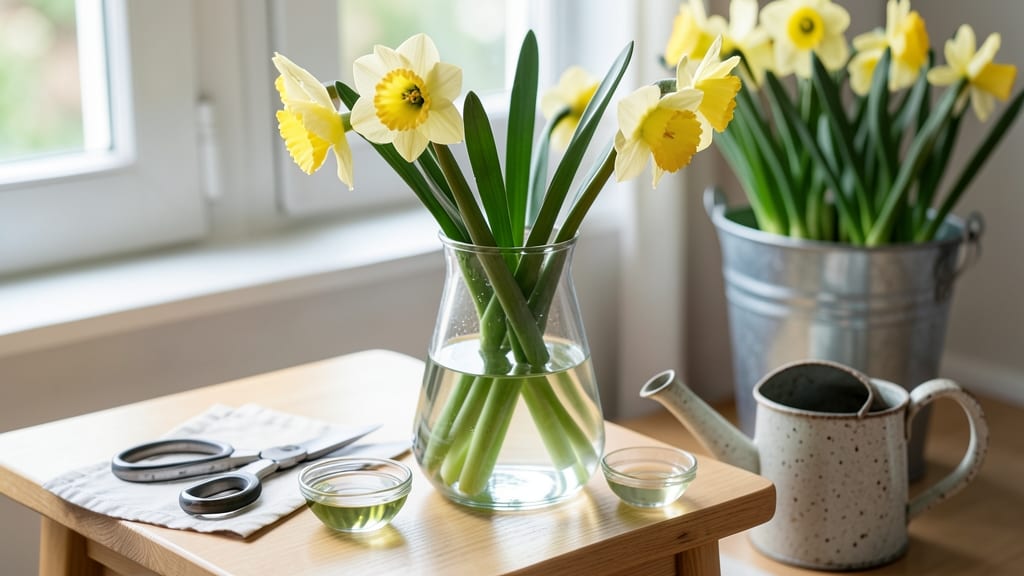
Caring for daffodils in a vase turns a simple bouquet into a two-week floral masterpiece—if you know the tricks. 🌱 I’ve learned that daffodils are surprisingly stubborn about water and light, and ignoring those needs means droopy blooms by day 3.
The secret isn’t complicated: it’s about mimicking what they’d get in the ground. Start with 3-4 inches of fresh, room-temperature water in a clean vase—never reuse water, even if it looks fine.
Trim stems at a 45-degree angle every other day to keep them drinking, and change the water every 2-3 days to fight bacterial buildup. Place them in bright, indirect light (no direct sun or dark corners) and avoid drafts like AC vents.
You’ll see buds open slowly but steadily, with vibrant petals lasting 10-14 days—sometimes longer if you’re lucky. The stems stay sturdy, and the scent lingers like a spring breeze. Even better, these blooms hold their shape when dried, so you can preserve the magic.
Works for spring cuttings, grocery-store bouquets, or even forced indoor blooms—just follow the same rules. Here’s how to make them last: clean cuts, fresh water, and a little patience. Your vase will look like a pro arranged it.
📚 In This Guide
- What you need
- Instructions
- Tips and common mistakes
- Wrapping up and next steps
What you need
- ● Fresh-cut daffodils – 6 to 12 stems (or as many as your vase holds!)
- ● Clean vase – Glass, ceramic, or even a repurposed jar (aim for a height-to-stem ratio of ~2:1)
- ● Fresh, cool water – Enough to submerge 1–2 inches of stems (change daily!)
- ● Sharp floral shears or clean scissors – Avoid dull knives to prevent crushing stems.
- ○ Floral preservative (optional but highly recommended) – Look for aluminum-based or citric acid-based formulas (e.g., Floralife or SmartCut).
- ● White vinegar (1 tsp per quart of water) – Natural antibacterial boost.
- ● Sugar (1 tsp per quart) – Feeds blooms for extra longevity.
- ● Hydrogen peroxide (1/4 tsp per quart) – Keeps water crisp and clear.
- ● Food-safe bleach (2 drops per quart) – Prevents bacterial buildup (rinse vase first!).
- ● Floral foam or pebbles – For vases with narrow necks (helps stems stay hydrated).
- ● Decorative elements – Greenery, pebbles, or ribbon to make your vase pop!
Step-by-step instructions for extending daffodil vase life
Here’s how I keep daffodils blooming for weeks—not just days.
💧 Step 1: Prepare the Vase and Water Properly
Fill a clean vase with lukewarm water (cold water can shock stems, while hot water damages delicate tissues). Use enough to submerge 1-2 inches of each stem—never more, or the blooms will rot. I like to add a few drops of bleach (1 part bleach to 4 parts water) to prevent bacterial growth, which is the #1 reason blooms wilt early.
Trim stems at a 45-degree angle just before placing them in the vase. This increases surface area for water absorption. Use sharp scissors or pruners—tearing stems crushes the vascular bundles, which are the plant’s water highways. Change the water every 2-3 days to keep it fresh and bacteria-free.
☀️ Step 2: Position for Optimal Light and Temperature
Place the vase in bright, indirect light—think east-facing windows or a spot near a north window. Direct sunlight causes petals to bleach and crisp at the edges, while dim light weakens stems and speeds up wilting. A cool room (65-70°F) extends vase life longer than a warm one, so avoid placing them near heaters or sunny south-facing windows.
Daffodils release a natural chemical called ethylene gas as they age, which speeds up wilting in nearby flowers. To combat this, move the vase to a different room at night or group it with other blooms that tolerate ethylene, like roses or tulips.
✂️ Step 3: Refresh Stems and Remove Foliage Regularly
Every 2-3 days, recut stems at a fresh 45-degree angle under running water. This removes blocked vessels and lets the plant drink up fresh water. I also remove any leaves that fall below the waterline—they’ll rot and foul the vase. For extra longevity, remove spent blooms as soon as their petals droop, which redirects the plant’s energy to new buds.
Here’s the thing—don’t overcrowd the vase. Tightly packed stems compete for water and nutrients, causing uneven blooming. Space stems 1-2 inches apart so air circulates freely. If buds start to open unevenly, gently separate them to encourage balanced growth.
🌿 Step 4: Feed and Hydrate for Maximum Freshness
Add 1 teaspoon of sugar to the vase water to provide quick energy for the blooms. The sugar feeds the flowers while they can’t photosynthesize (since they’re cut). I also drop in a household flower food packet (available at garden centers) every 3-4 days—it contains nutrients and a mild preservative that works better than homemade mixes.
Watch the water level closely. Evaporation happens fast, especially in warm rooms. Top off with room-temperature water only—cold water shocks the stems, while warm water can stress them. If the vase feels heavy when lifted, it’s time to refresh the water and trim stems again.
⏰ Step 5: Extend Blooms with Simple Daily Checks
Morning and evening, give the vase a quick once-over. Wipe away any dust or pollen from blooms with a damp paper towel—it clogs petals and speeds up wilting. If you notice buds opening slowly, place the vase in a cooler spot for 24 hours to slow their metabolism and prolong display.
Real talk: Daffodils are tougher than they look. With these steps, you’ll see new buds opening for 10-14 days after the first bloom. The secret? Consistency. Stick to the refresh schedule, and your daffodils will outlast store-bought bouquets by a week or more.
Tips & tricks for perfect daffodil vase life
These little tricks will help you turn a simple bouquet into a two-week floral masterpiece—no green thumb required.
The Water Refresh Secret: When you change the water every 2-3 days, add a splash of white vinegar (1 teaspoon per quart) alongside the bleach. The vinegar helps break down bacteria and keeps the water crystal clear longer. I learned this the hard way after dealing with cloudy water that made my daffodils wilt overnight.
Angle Matters More Than You Think: That 45-degree angle isn't just for show—it's about physics. The wider surface area lets stems drink up water like a straw, while a straight cut can trap air bubbles that block water flow. If you don't have a fancy angle trimmer, just make a diagonal cut with sharp scissors and rotate the stem as you cut to keep it even.
Ethylene Gas Hack: Daffodils produce ethylene gas as they age, which speeds up wilting. To combat this, place a small bowl of apple cider vinegar near the vase—it absorbs ethylene gas! This works even better than moving the vase around, and you won't have to rearrange your whole room setup.
Sugar Substitute: Don't have flower food packets? No problem. Mix 1 teaspoon sugar with 1 tablespoon lemon juice in the water. The acidity helps preserve the blooms while the sugar provides quick energy. I've used this combo for years with the same results as store-bought packets.
Pro Tips for Care For Daffodils In A Vase
- These little tricks will help you turn a simple bouquet into a two-week floral masterpiece—no green thumb required.
- The Water Refresh Secret: When you change the water every 2-3 days, add a splash of white vinegar (1 teaspoon per quart) alongside the bleach.
- Angle Matters More Than You Think: That 45-degree angle isn't just for show—it's about physics.
Frequently asked questions
Got questions about keeping your daffodils fresh and fabulous in a vase? You’re not alone! Here are some of the most common queries—and their simple solutions—to help you extend those cheerful blooms for weeks to come.
How often should I change the water for daffodils in a vase?
Change the water every 2–3 days to prevent bacterial growth and keep the stems hydrated. Add a drop of bleach (1 tsp per gallon) or a flower preservative to the fresh water for extra freshness. Pro tip: Trim the stems by ½ inch before each water change to encourage uptake!
Why are my daffodil petals turning yellow or brown so fast?
Yellowing or browning petals are often a sign of ethylene gas (a natural ripening hormone) or bacterial buildup. Remove wilted blooms immediately, and avoid placing daffodils near fruits (like apples) or other flowers that release ethylene. For stubborn spots, try a sugar-free flower food packet to slow decay.
Can I use tap water for my vase daffodils?
Yes, but let it sit out overnight first to allow chlorine to dissipate. If your water is hard (high in minerals), use distilled or filtered water instead. Daffodils are forgiving, but they’ll last longer with fresh, clean water. Bonus: Add a pinch of lemon juice (¼ tsp per quart) to keep the water crisp!
How long do daffodils last in a vase, and how can I make them last longer?
With proper care, daffodils typically last 7–14 days in a vase. To extend their life:
- Keep them in a cool spot (60–65°F) away from direct sunlight or heat sources.
- Avoid overcrowding the vase—give each stem space to breathe.
- Replace water and trim stems regularly (as mentioned above).
With these tweaks, you might even hit the 2+ week mark!
What can I do if my daffodils start to droop or wilt?
Drooping daffodils often need a quick hydration boost. Trim the stems at an angle, place them in warm water (not hot) for 10–15 minutes, then return them to fresh, cool water. If the buds are still firm, they may perk up in a few hours. Avoid forcing them—let them recover naturally!
Can I mix daffodils with other flowers in the same vase?
Yes, but choose low-ethylene flowers like tulips, carnations, or snapdragons. Avoid mixing with lilies, roses, or fruits (they release ethylene, which speeds up wilting). If you’re unsure, keep daffodils in their own vase for maximum longevity.
Wrapping up and next steps
Caring for daffodils in a vase is all about timing, freshness, and a little extra love—and with these tips, you’ll enjoy their bright blooms for weeks to come! 🌼 Whether it’s trimming stems just right, keeping water clean, or placing them in a cool spot, every step makes a difference.
Now that you’re armed with the secrets to vase longevity, why not take it further?
Ready to elevate your floral game? Try experimenting with different flower varieties or even mixing daffodils with complementary blooms for a show-stopping centerpiece. Your vase—and your space—will thank you! 💐✨