
Planting
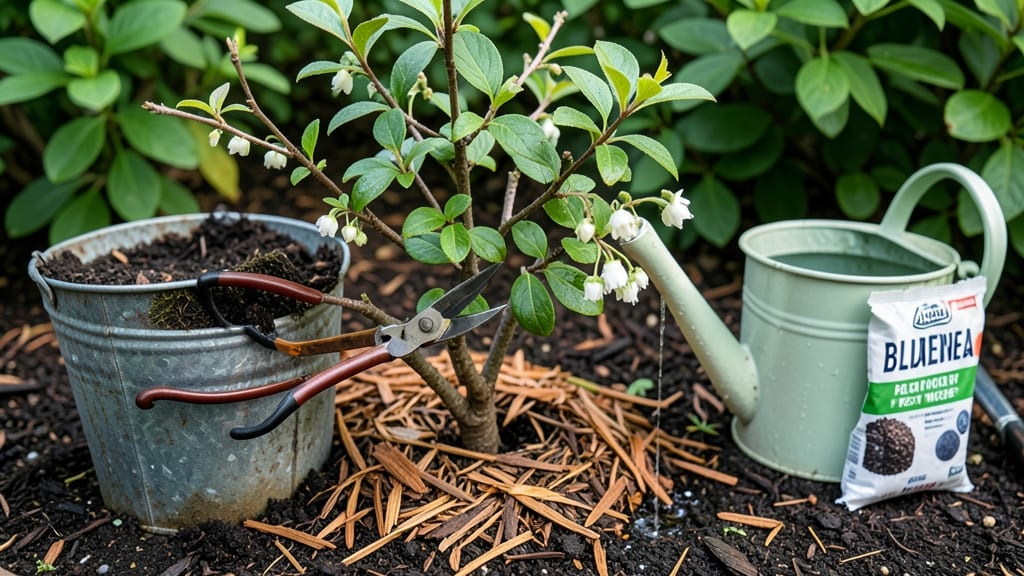
How to bring back a dead blueberry plant—it’s not as hopeless as it seems. That thirsty bush isn’t truly gone; it’s just waiting for a second chance. 🌱 I've nursed back more "dead" blueberries than I'd like to admit, and the secret lies in understanding what really killed it (hint: it's rarely what you think). Most gardeners overwater or prune too aggressively, turning lush bushes into sad sticks overnight. But with the right approach, you can coax those roots back to life in just 4-6 weeks.
The first step is diagnosing the real problem—root rot from overwatering, nutrient starvation, or winter damage all look like "death" but need different fixes. I'll walk you through the telltale signs: mushy stems, yellow leaves that won't fall, or branches that snap like dry twigs.
Blueberries are tougher than they look, and once you identify the issue, revival becomes straightforward with the right care routine.
What you'll end up with is a bush that pushes out fresh green growth within 2-3 weeks of proper treatment, followed by next year's heavy harvest. The key is patience and precision: adjusting water, feeding roots the right nutrients, and pruning only what's absolutely necessary.
Even my most neglected bushes have bounced back with these methods.
This works for both container-grown and in-ground blueberries, and the same principles apply whether you're dealing with a 3-year-old or 20-year-old plant. Let's get those roots drinking again—your future pancakes will thank you.
Root Causes Of Blueberry Death
Blueberries are tough little plants, but even they can succumb to stress when conditions go haywire. Understanding why your blueberry bush is struggling—or worse, appears dead—is the first step to reviving it.
Below, we break down the most common culprits, backed by science, so you can diagnose the issue and take action.
Blueberries thrive in moist, acidic soil, but too much water is a silent killer. When roots sit in soggy conditions for too long, they suffocate due to hypoxia (lack of oxygen), leading to:
- Root rot (caused by fungi like Phytophthora or Pythium), which turns roots mushy and black.
- Nutrient starvation—waterlogged soil flushes out essential minerals, leaving the plant weak.
- Bacterial infections (e.g., Erwinia), which thrive in anaerobic (oxygen-free) environments.
Actionable clue: Check the soil 2–3 inches down—if it’s damp after 24+ hours, drainage is the issue. Blueberries need well-draining, acidic soil (pH 4.5–5.5). If your soil is heavy clay, amend it with peat moss, pine bark, or sand.
While overwatering drowns roots, chronic dehydration can also kill blueberries by:
- Causing osmotic stress, where roots can’t absorb water due to salt buildup in dry soil.
- Triggering wilting and leaf scorch (brown, crispy edges), which weakens the plant’s immune system.
- Leading to root dieback, where fine feeder roots shrink or die, reducing water uptake.
Actionable clue: Stick your finger in the soil—if it’s dry past 1–2 inches, your plant is thirsty. Blueberries need 1–1.5 inches of water per week, especially during fruit production. Mulch with wood chips to retain moisture.
Blueberries are hardy but not heat- or cold-proof. Sudden temperature shifts—like late frosts or scorching summer heat—disrupt their metabolism:
- Cold damage: Temperatures below 10°F (-12°C) can kill buds and roots, while late spring frosts (<32°F/0°C) burn blossoms, reducing fruit set.
- Heat stress: Prolonged temps above 90°F (32°C) cause physiological drought, where roots can’t keep up with water demand.
- Sunburn: Young leaves may develop bleached or necrotic patches from intense afternoon sun.
Actionable clue: Plant blueberries in partial shade (4–6 hours of sun) in hot climates. Use row covers for late frosts and drip irrigation to prevent heat stress.
Blueberries are acid-lovers, and soil pH outside their ideal range (4.5–5.5) locks out critical nutrients:
- Too alkaline (pH >6): Iron, manganese, and phosphorus become unavailable, causing yellowing leaves (chlorosis) and stunted growth.
- Too acidic (pH <4): Excess aluminum and manganese become toxic, burning roots and leaves.
Actionable clue: Test your soil with a home pH kit or send a sample to a lab. Adjust with:
- To raise pH: Mix in lime (calcium carbonate) (but use sparingly—blueberries hate it!).
- To lower pH: Add sulfur, peat moss, or pine needles.
Hidden invaders can decimate blueberries silently. Common culprits include:
| Pest/Disease | Symptoms | Why It Kills |
|---|---|---|
| Blueberry Maggot (fly larvae) | Small holes in fruit, wilted berries | Larvae feed on fruit, starving the plant of energy. |
| Root Weevils (grubs) | Wilting, sawdust-like frass at base | Grubs chew roots, disrupting water/nutrient flow. |
| Fungal Leaf Spot (Mycosphaerella) | Brown spots with yellow halos | Blocks photosynthesis, weakening the plant. |
Actionable clue: Inspect leaves, stems, and soil for signs. Use neem oil for pests and copper fungicide for diseases. Prune infected branches and sterilize tools with rubbing alcohol.
💡 Pro Tip: If your blueberry plant looks "dead" but has green stems or buds, it’s often dormant or stressed—not truly dead! Before giving up, check for hidden signs of life like new growth or flexible (not brittle) stems.
Revive Your Blueberry Bush Now
Your blueberry plant might look like it’s gone, but don’t give up yet! With the right approach, you can coax it back to life—even if it’s been struggling for weeks.
Below, we’ll break down the most common causes of a "dead" blueberry plant and provide step-by-step fixes to bring it back to health. Plus, we’ll share prevention tips so you can keep your bush thriving long-term.
If your blueberry plant’s leaves are yellowing, wilting, or the soil smells sour, root rot could be the culprit. Blueberries hate soggy feet—too much water suffocates their roots, cutting off oxygen and nutrients.
How to Fix It:
- 🚰 Stop Watering Immediately
- Let the soil dry out completely for at least 3–5 days. If the roots are mushy or black, root rot has set in.
- 🪴 Repot or Improve Drainage
- If the plant is in a container, repot it into fresh, well-draining soil mixed with perlite or sand (50/50 ratio).
- For in-ground plants, amend the soil by mixing in compost and coarse sand to improve aeration.
- 🌱 Trim Damaged Roots (If Repotting)
- Gently remove the plant, rinse the roots, and snip off any black, mushy roots with sterilized scissors.
- Dip healthy roots in a fungicide solution (like hydrogen peroxide at 3%) to prevent further rot.
- 💧 Adjust Your Watering Habits
- Water only when the top 1–2 inches of soil are dry (stick your finger in to check).
- Use a self-watering pot or drip irrigation to avoid overwatering.
💡 Prevention Tips:
- Use acidic, well-draining soil (pH 4.5–5.5) with a mix of peat moss or pine bark.
- Avoid heavy clay soil—raise beds or add organic matter.
- Check drainage holes in pots—if they’re clogged, clean them out.
Brown, crispy leaves and dry, pulling soil mean your blueberry plant is thirsty. Unlike many plants, blueberries need consistent moisture—they can’t handle drought well.
How to Fix It:
- 💦 Deep Watering Revival
- Soak the soil slowly and deeply (about 1–2 inches per week, depending on climate).
- Use a watering wand to avoid disturbing the soil.
- 🌧️ Mulch to Retain Moisture
- Spread 2–3 inches of organic mulch (pine needles, wood chips, or straw) around the base (but not touching the stem).
- This keeps roots cool and hydrated.
- 🌱 Prune Damaged Foliage
- Trim dead or brown leaves to redirect energy to healthy growth.
- Avoid cutting into live wood—wait until new growth appears.
- 🌿 Move to a Shadier Spot (Temporarily)
- If your plant was in full sun, it may be stressed. Move it to partial shade (4–6 hours of sun) for a few weeks while it recovers.
💡 Prevention Tips:
- Water in the morning to reduce evaporation.
- Group blueberries with other moisture-loving plants (like azaleas or rhododendrons).
- Use a moisture meter to track soil hydration.
If your blueberry plant’s leaves are bleached, crispy, or sunken, it’s likely suffering from heat stress or sunburn. Blueberries prefer partial shade, especially in hot climates.
How to Fix It:
- 🌳 Provide Afternoon Shade
- Use a light shade cloth (30–50%) or move the plant to a spot with morning sun + afternoon shade.
- For container plants, place them in a shadier area of your patio or deck.
- 💧 Increase Humidity Around Roots
- Mist the leaves gently in the early morning (avoid evening misting to prevent fungal issues).
- Place a pebble tray with water near the plant to boost humidity.
- 🍃 Trim Sun-Damaged Leaves
- Cut off white or browned leaves to prevent further stress.
- Focus on keeping green, healthy foliage to recover.
- 🌱 Apply a Light Mulch
- A 1–2 inch layer of mulch helps insulate roots and retain moisture.
💡 Prevention Tips:
- Choose the right variety—northern blueberries (like ‘Bluecrop’) handle heat better than southern types.
- Avoid plastic pots—they overheat roots. Opt for terracotta or fabric grow bags.
- Water deeply during heatwaves to cool the soil.
If your blueberry plant has black spots, mold, or oozing stems, a fungal or bacterial infection (like anthracnose or botrytis) may be to blame. These thrive in wet, humid conditions.
How to Fix It:
- 🧼 Clean Up Debris
- Remove all fallen leaves, fruit, and mulch within a 3-foot radius.
- Disinfect pruners with rubbing alcohol before and after use.
- 💊 Apply a Fungicide
- Spray with a copper-based fungicide (like Bordeaux mixture) or neem oil (1 tsp per quart of water).
- Reapply every 7–10 days until new growth appears.
- 🌱 Prune Infected Areas
- Cut off blackened or mushy stems down to healthy wood.
- Sterilize cuts with cinnamon powder or copper fungicide.
- 🌿 Improve Air Circulation
- Space plants 3–4 feet apart to reduce humidity around foliage.
- Avoid overhead watering—use drip irrigation instead.
💡 Prevention Tips:
- Water at the base (not leaves) to keep foliage dry.
- Plant in full sun (blueberries need 6+ hours of light) but avoid dense shade.
- Rotate fungicides if infections recur.
Yellow leaves with green veins? That’s often a magnesium (chlorosis) or nitrogen deficiency. Blueberries are heavy feeders and need acid-loving fertilizer.
How to Fix It:
- 🌱 Test Your Soil
- Use a home soil test kit (or send to a lab) to check pH and nutrient levels.
- Blueberries need pH 4.5–5.5—if it’s higher, amend with sulfur or peat moss.
- 🍄 Feed with Acidic Fertilizer
- Use a balanced, acidic fertilizer (like 10-10-10 with sulfur) in early spring and summer.
- Epsom salt (magnesium sulfate) can fix yellowing—dissolve 1 tbsp per gallon of water and spray leaves.
- 🍂 Add Organic Matter
- Mix composted pine needles, oak leaves, or coffee grounds into the soil.
- Avoid fresh manure—it can burn roots.
💡 Prevention Tips:
- Fertilize every 4–6 weeks during growing season (spring–fall).
- Use slow-release granules for steady nutrition.
- Mulch with acidic materials (like pine straw) to maintain soil pH.
If your blueberry plant is completely leafless with no green shoots, it may still have dormant buds waiting to wake up.
How to Fix It:
- 🌿 Check for Hidden Life
- Gently scratch the bark—if you see green underneath, the plant isn’t dead yet!
- Look for small buds or shoots at the base or along stems.
- **🌱
Frequently asked questions
How can I tell if my blueberry plant is truly dead or just dormant?
Check for green stems or buds under the bark by gently scraping it. If you see any green, the plant is alive! Also look for flexible branches—if they bend without snapping, there's hope. Even leafless plants can revive with proper care, especially if the roots are still intact.
What's the fastest way to revive a blueberry plant with root rot?
Stop watering immediately and repot in fresh, well-draining soil mixed with perlite. Trim all black/mushy roots with sterilized scissors, then soak healthy roots in 3% hydrogen peroxide for 10 minutes to kill fungi. Water lightly only when the top 1-2 inches of soil feel dry.
Can I save a blueberry plant that's been underwatered for months?
Yes! Soak the soil deeply for 30 minutes daily until it's uniformly moist (not soggy). Add 2-3 inches of organic mulch (pine needles work best) to retain moisture. Move to partial shade temporarily while roots recover—new growth should appear in 3-4 weeks.
Why does my blueberry plant keep dying even after revival?
Most likely you're repeating the same mistake: overwatering or poor drainage. Blueberries need moist but never soggy soil. Test your soil's pH (should be 4.5-5.5) and amend with sulfur if too alkaline. Use a moisture meter to track watering needs accurately.
How long does it take to see results after reviving a blueberry plant?
With proper care, you should see new green shoots in 2-3 weeks. Full recovery (strong stems, leaves, and buds) typically takes 4-6 weeks. The first year after revival may have fewer berries, but the plant will rebuild its root system for better harvests next season.