
Aphids
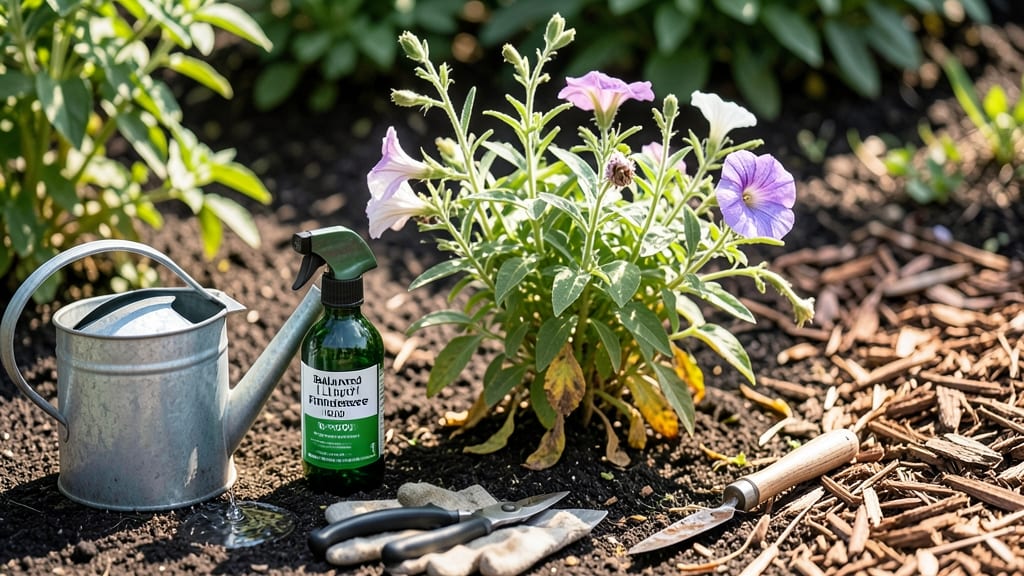
How to bring petunias back to life—it’s easier than you think, and the fix often starts with a closer look at their basic needs. 🌿 I’ve nursed back more than my share of sad-looking petunias, and the solution usually comes down to two things: water and attention to detail. Most gardeners overlook the simplest causes, like inconsistent moisture or hidden pests, when a little pruning or adjusted schedule can bring them roaring back.
The first step is identifying the problem: check for yellow leaves (overwatering), crispy edges (underwatering), or tiny webs (spider mites). Petunias thrive on consistent moisture—about 1 inch of water per week—but they hate soggy roots.
If pests are the issue, a neem oil spray usually does the trick within a few days. The key is acting fast before stress becomes permanent.
Within 7-10 days of proper care, you’ll see new buds forming and stems perking up. Prune back dead growth to encourage fresh foliage, and move plants to morning sun if afternoon heat was the issue.
The results are shockingly fast—my once-limp petunias now outperform their neighbors, and the secret is simpler than most gardeners think.
Prevention is even easier: mulch to retain moisture, water at the base (not overhead), and inspect leaves weekly for early signs of trouble. A little vigilance keeps petunias blooming all season long without the drama. Here’s how to diagnose and fix the most common issues—no green thumb required.
📚 In This Guide
- What you need
- Instructions
- Tips and common mistakes
- Wrapping up and next steps
What you need
- ● Pruning shears or clean scissors – Sharp and sterilized to avoid spreading disease.
- ● Well-draining potting mix – 1-2 gallons, depending on pot size (look for a blend labeled for annuals or flowers).
- ● Balanced liquid fertilizer (10-10-10 or 20-20-20) – 1 bottle (diluted to half-strength).
- ● Watering can or hose with a gentle spray nozzle – For even hydration without damaging foliage.
- ● Organic mulch (e.g., straw, shredded bark, or coconut coir) – Enough to cover the soil surface (about 1-2 inches).
- ○ Neem oil or insecticidal soap (optional but helpful) – 1 small bottle (for treating pests like aphids).
- ○ Gloves (optional) – To protect your hands from soil or thorns.
- ● Trowel or small shovel – For gently loosening soil or repotting if needed.
- ● Spray bottle with water – For misting leaves if the air is dry.
- ○ Reflective mulch or aluminum foil (optional) – To deter pests or reflect heat in cooler climates.
- ○ pH testing kit (optional) – To check soil acidity (ideal range: 6.0-7.0 for petunias).
Tips & tricks for reviving wilted petunias
Here’s how to avoid common pitfalls—and give your petunias the best shot at a full recovery.
Pruning Precision: When you’re trimming in Step 1, focus on removing only the truly damaged stems—the ones that feel mushy or have brown edges. Healthy stems should snap cleanly when bent, not bend easily or show signs of rot. I’ve learned the hard way that over-pruning can shock the plant further, so aim to keep at least two-thirds of the plant intact. This balance between cleanup and preservation is what sets the stage for successful regrowth.
Soil Refresh Strategy: The 1-inch layer of fresh potting mix in Step 2 isn’t just about adding nutrients—it’s about improving soil structure. If your existing soil is compacted or waterlogged, mix in a little perlite or vermiculite to help with drainage. This small adjustment can prevent future waterlogging, which is a silent killer of petunias. Think of it as giving your plant’s roots a breath of fresh air.
Light Transition Tactics: Moving your petunias to morning sun and afternoon shade in Step 3 might feel counterintuitive, but it’s a lifesaver for stressed plants. Start with just a few hours of direct sun in the morning, then gradually increase exposure over the week. Watch for leaves that turn pale or develop yellow edges—this is your plant’s way of saying, “Slow down!” The goal is to rebuild their tolerance without causing sunburn.
Fertilizer Timing: That half-strength 10-10-10 fertilizer in Step 3 should be applied only after you’ve seen signs of new growth—typically within 7-10 days. Fertilizing too early can burn tender new roots, especially if your soil is already nutrient-rich. I like to think of it as feeding your petunias only after they’ve proven they’re ready for the meal. And always water the soil first to help distribute the nutrients evenly.
Pro Tips for Bring Petunias Back To Life
- Here’s how to avoid common pitfalls—and give your petunias the best shot at a full recovery.
- Pruning Precision: When you’re trimming in Step 1, focus on removing only the truly damaged stems—the ones that feel mushy or have brown edges.
- Soil Refresh Strategy: The 1-inch layer of fresh potting mix in Step 2 isn’t just about adding nutrients—it’s about improving soil structure.
Frequently asked questions
about reviving petunias—because even the toughest gardeners need a little help sometimes!Can I save petunias that are completely brown and crispy?
Unfortunately, if your petunias are fully brown and mushy, they’re likely beyond saving. However, if only the leaves are crispy (but stems are still firm), trim the dead parts, adjust watering, and give them a nutrient boost. Sometimes, a little TLC works wonders!
How long does it take to see results after reviving petunias?
With proper care, you might notice new growth in 1–2 weeks, but full recovery can take 3–6 weeks. Be patient! Consistent watering, sunlight, and fertilizer play key roles in speeding up the process.
Why are my petunias wilting even after I’ve adjusted watering?
Wilting can stem from overwatering (root rot), underwatering (dry soil), or aphids (sap-sucking pests). Check the soil moisture, inspect leaves for pests, and ensure they’re in well-draining soil. If needed, repot or treat with neem oil.
What’s a good alternative if my petunias keep dying?
If petunias struggle in your climate, try geraniums, marigolds, or impatiens—they’re hardier and equally beautiful. Petunias love full sun and warmth, so if your area is too cool or shady, opt for shade-tolerant plants like begonias.
Can I propagate dead petunias to grow new ones?
Yes! If the stems are still green and healthy (even if leaves are dead), cut 3–4 inch sections, remove lower leaves, and place them in water or moist soil. Roots should form in 2–3 weeks. It’s like cloning your favorite blooms!
Still stumped? Drop your petunia woes in the comments—we’re happy to help!
Wrapping up and next steps
Bringing your petunias back to life is totally doable with the right care and patience! 🌸 Whether it was overwatering, pests, or neglect, these vibrant blooms can bounce back with proper pruning, hydration, and a little TLC.
Start by assessing their needs and follow the steps—your garden will thank you with a burst of color in no time.
Next up: Keep an eye on your revived petunias and enjoy the rewards of your hard work! Consider adding mulch or companion plants to keep them thriving all season long. Happy gardening! 🌿