
Planting
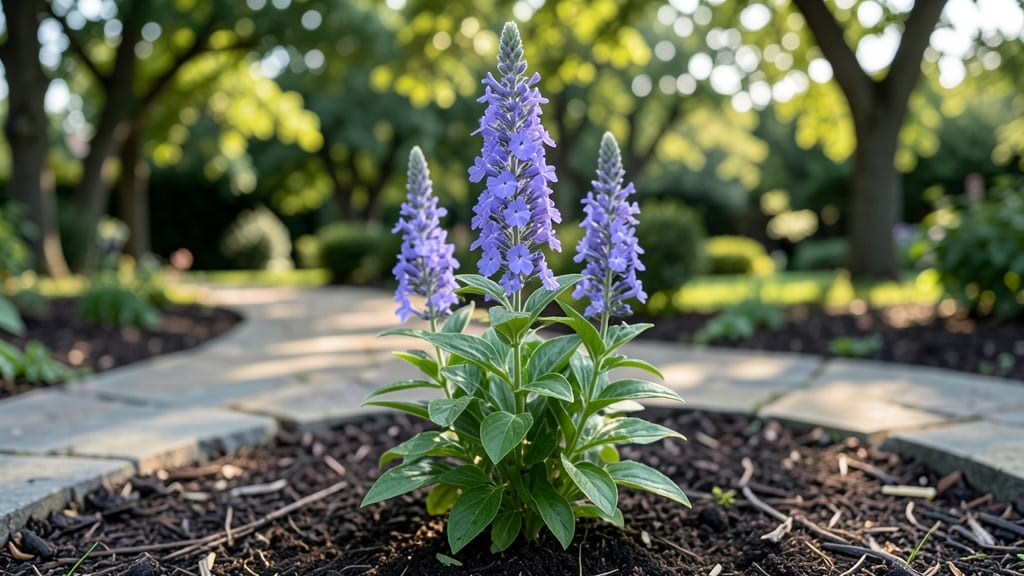
How to care for the angelonia plant is simpler than you’d think—once you unlock its secrets. 🌸 I’ve grown these striking blue-purple flowers for years, and they’ve taught me that minimal deadheading keeps them flowering nonstop from spring to frost. The key? Matching their care to their natural rhythm, not your schedule.
They crave bright sunlight (6+ hours daily) and well-draining soil—think sandy loam or a mix with perlite. Water when the top inch feels dry, but never let them sit in soggy soil.
Overwatering is their #1 enemy, leading to those dreaded brown stems. A light fertilizer every 4-6 weeks keeps blooms lush without fuss.
Pruning isn’t just about looks—it’s about encouraging bushier growth. Pinch back leggy stems in early spring, and snip spent blooms only if they look tired.
Most angelonias keep flowering happily without deadheading, saving you time. In winter, they’ll die back in colder zones but bounce back from roots like nothing happened.
Here’s the real magic: These plants handle heat and humidity better than most annuals. Even in 90°F+ weather, they stay vibrant if you keep soil moist but not wet.
The trade-off? They’re not frost-tolerant—treat them as annuals in cold climates. With the right setup, you’ll have months of effortless color with almost no maintenance.
📚 In This Guide
- What you need
- Instructions
- Tips and common mistakes
- Wrapping up and next steps
What you need
- ● Angelonia plants: 3–6 plants (depending on garden size or container quantity). Choose healthy, disease-free seedlings or mature plants from a nursery.
- ● Well-draining potting mix: 1–2 bags (1–2 cubic feet each) of high-quality soilless mix or garden soil amended with perlite or sand (20–30% by volume) for drainage.
- ● Containers or garden bed: Containers: 1–2 gallon pots per plant (or larger for multiple plants). Ensure pots have drainage holes.
- ● Garden bed: Full sun exposure (6+ hours/day) and loose, fertile soil.
- ● Balanced fertilizer: 10–10–10 or 20–20–20 (granular or liquid). Start with 1 tbsp per gallon of soil or follow label instructions.
- ● Watering can or hose: With a gentle spray nozzle to avoid damaging delicate blooms.
- ● Pruning shears: Sharp, clean pair for deadheading and shaping.
- ○ Gloves (optional): To protect hands from soil or thorns (if growing near roses or other prickly plants).
- ● Mulch: 1–2 inches of organic mulch (e.g., shredded bark) to retain moisture and suppress weeds.
- ● Slow-release fertilizer spikes: For hassle-free, long-term nutrient delivery.
- ● Plant stakes or cages: To support taller varieties (e.g., ‘Angelonia angustifolia’) if needed.
- ● Compost or worm castings: To boost soil health and plant resilience.
- ● Fungicide (preventative): Copper-based or neem oil spray to ward off powdery mildew in humid climates.
Step-by-step instructions for growing thriving angelonia plants
Angelonia thrives with the right balance of light, water, and occasional pruning—here's how to keep yours blooming effortlessly.
🌱 Step 1: Plant in Well-Draining Soil and Full Sun
Angelonia demands full sun exposure (6-8 hours daily) for optimal flowering. I plant mine in raised beds or containers with a mix of 50% potting soil, 30% perlite, and 20% compost to ensure excellent drainage. The roots despise soggy conditions, so amending the soil with perlite prevents root rot during rainy seasons.
When transplanting, bury the plant just below its previous soil line—this protects the stem from moisture-related stress. Space plants 12-18 inches apart to allow airflow, which reduces fungal diseases like powdery mildew. You'll know you've got it right when new growth appears within 2-3 weeks of planting.
💧 Step 2: Water Deeply but Infrequently
Angelonia's native habitat is arid, so it prefers dry soil between waterings. I water deeply once a week during hot summers, allowing the top 2 inches of soil to dry completely before the next session. Overwatering causes yellowing leaves and stunted blooms—always check moisture by sticking your finger into the soil rather than relying on a schedule.
For container-grown plants, I use the "soak-and-dry" method: water until it drains freely from the bottom, then wait until the soil feels bone-dry to the touch before watering again. This mimics natural rainfall patterns and prevents root suffocation. You'll notice the plant's vibrant green foliage and abundant blooms as a sign you're nailing the watering routine.
☀️ Step 3: Fertilize Lightly for Continuous Blooms
Use a balanced, water-soluble fertilizer (10-10-10) diluted to half-strength every 4-6 weeks during the growing season. I avoid heavy feeding—angelonia responds better to gentle nourishment than to overfertilization, which can cause leaf burn. Always water the plant thoroughly before applying fertilizer to prevent root damage.
For extra blooms, I switch to a low-phosphorus fertilizer (5-10-10) in late summer to encourage more flowers rather than foliage. Stop fertilizing completely in fall and winter, as the plant enters dormancy. You'll see the difference in 3-4 weeks: plants receive regular feedings produce dense, long-lasting spikes of blue or purple flowers.
✂️ Step 4: Minimal Deadheading for Year-Round Color
The key to angelonia's continuous blooms is selective deadheading. Unlike other annuals, angelonia doesn't require frequent trimming—just snip off faded flower spikes at the base when they turn brown. This encourages new growth from the base rather than just the tips, which keeps the plant bushy and prolific.
I deadhead every 2-3 weeks during peak bloom season (spring to fall) using clean, sharp pruners. Avoid cutting into old wood—always leave a small portion of green stem to support new growth. With minimal deadheading, you'll enjoy 6-8 weeks of nonstop blooms per season, even in heat waves.
🌿 Step 5: Prune for Shape and Winter Prep
In early spring, I give angelonia a light pruning to shape the plant and remove any leggy or woody stems. Cut back by one-third to encourage dense, bushy growth. This is also the time to divide overcrowded plants—simply separate the roots and replant sections in fresh soil.
For winter care, reduce watering to once every 2-3 weeks and stop fertilizing entirely. In colder climates (below 20°F), I move potted angelonia indoors to a bright, cool spot (around 50-60°F) until spring. You'll see fresh, vibrant growth resume within 3-4 weeks of returning it to outdoor conditions in spring.
Tips & tricks for perfect angelonia care
A few simple strategies that'll transform your angelonia from struggling to showstopping.
The Light Factor: If your angelonia isn't flowering as expected, check its sun exposure. Those 6-8 hours of direct sunlight should be bright and unfiltered—morning sun with afternoon shade works best in hot climates. I've seen angelonia in south-facing windows thrive with 6 hours of morning sun plus 2 hours of afternoon light, while west-facing spots can scorch leaves. Rotate your containers weekly to ensure even exposure all around the plant.
Soil Mix Secrets: The 50-30-20 blend of potting soil, perlite, and compost is non-negotiable for angelonia. I add a handful of coarse sand to my mix for extra drainage, especially in containers. For heavy clay soils, create raised beds with this mix to prevent waterlogging. The roots will reward you with vibrant growth within those first 2-3 weeks—watch for the telltale new leaves pushing through!
Fertilizer Timing: That 4-6 week feeding schedule is perfect, but timing matters. Always apply fertilizer in the morning so the plant has daylight hours to absorb nutrients before nightfall. I've noticed plants fertilized in the evening often show signs of leaf burn by the next day. For the low-phosphorus 5-10-10 switch in late summer, I make it my last feeding before winter dormancy begins.
Winter Survival Strategy: When moving potted angelonia indoors below 20°F, place it near an east-facing window where it gets bright indirect light. Avoid cold drafts from windows or doors—angelonia hates temperature fluctuations. I keep my indoor winter spot around 55°F (closer to the 50-60°F range mentioned) using a small space heater if needed. The plant will look dormant but stays alive to burst back into growth within 3-4 weeks of spring return.
Pro Tips for Care For Angelonia Plant
- A few simple strategies that'll transform your angelonia from struggling to showstopping.
- The Light Factor: If your angelonia isn't flowering as expected, check its sun exposure.
- Soil Mix Secrets: The 50-30-20 blend of potting soil, perlite, and compost is non-negotiable for angelonia.
Frequently asked questions
Got questions about keeping your Angelonia thriving? Here are answers to the most common concerns—from pruning to pests—so you can enjoy those cheerful blooms all season long!
How often should I water my Angelonia plant?
Water your Angelonia when the top 1–2 inches of soil feel dry, typically 2–3 times per week in hot weather. Overwatering can cause root rot, so ensure pots have drainage holes. Mulching helps retain moisture while preventing soggy soil.
Do I need to deadhead Angelonia flowers?
Yes! Deadheading (removing spent blooms) encourages more flowers and prevents seed formation. Snip just above a leaf node with clean shears. For continuous blooms, do this every 1–2 weeks during the growing season.
What pests commonly attack Angelonia, and how do I treat them?
Watch for aphids, spider mites, or whiteflies. Blast off pests with a strong water spray or use insecticidal soap. For severe infestations, neem oil works well. Keep plants healthy with proper spacing and airflow to deter pests.
Can Angelonia survive winter outdoors?
No, Angelonia is not frost-tolerant. In cold climates, dig up pots and store them indoors in a cool, dry place (like a garage) until spring. Resume watering lightly in early spring before replanting outdoors after the last frost.
What’s a good alternative if Angelonia doesn’t thrive in my climate?
Try Salvia, Verbena, or Celosia—they’re drought-tolerant and love full sun like Angelonia. For long-lasting blooms, Petunias or Zinnias are also great substitutes with similar care needs.
Wrapping up and next steps
Caring for your angelonia plant is a rewarding journey that brings vibrant blooms to your garden with minimal effort! With the right balance of sunlight, watering, and occasional deadheading, you’ll enjoy a stunning display of color all year long. 🌸
Now that you’re armed with expert tips, take the next step—grab your gardening tools and give your angelonia the love it deserves. Whether you’re a seasoned green thumb or a beginner, your garden will thank you for the extra care! 🌱