
Flowers
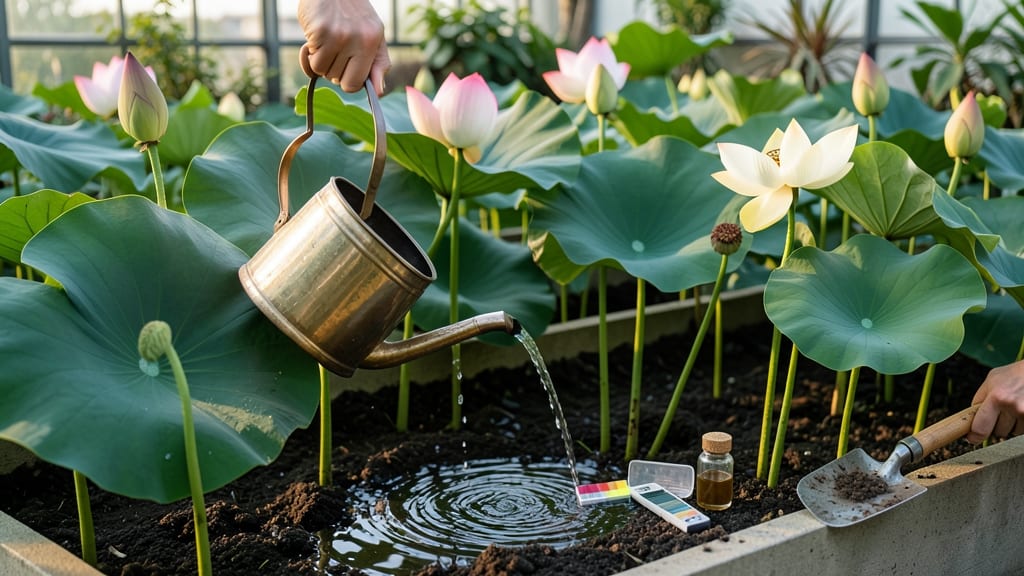
How to care for the lotus flower reveals a dance of patience and precision—these sacred blooms rise from murky water like offerings, demanding just the right balance. 🌿 Their velvety petals unfold only when water depth, soil quality, and sunlight align perfectly. I’ve nurtured them for years, and the secret lies in mimicking their natural habitat with just a few key adjustments.
For aquatic lotuses, you’ll need 12-18 inches of water and nutrient-rich mud at the bottom of the pot. Terrestrial varieties prefer moist, well-draining soil in containers with drainage holes.
Both thrive in full sun (6+ hours daily) and cool water—never warmer than 75°F. Overheating stunts growth, while stagnant water invites pests.
Feed them once a month with a balanced aquatic fertilizer during growing season, and trim dead blooms to encourage new ones. The payoff? Stunning blooms for 4-6 weeks per cycle, with the right care.
Even in dormancy, their roots stay alive beneath the surface, ready to burst forth when conditions improve.
Common mistakes? Overcrowding, hard water, or ignoring mud health. Test your water regularly, and replace old mud with fresh compost every 2-3 years. With these basics, your lotus will reward you with unmatched elegance—year after year.
📚 In This Guide
- What you need
- Instructions
- Tips and common mistakes
- Wrapping up and next steps
What you need
- ● Lotus rhizomes or seeds: Healthy, disease-free rhizomes (for planting) or seeds (for propagation). Pro tip: 💡 Buy from reputable nurseries to ensure quality!
- ● Large pond or container: Minimum 18–24 inches deep (lotuses need deep water!). Use a fiberglass, plastic, or lined pond to prevent leaks.
- ● Pond liner (if using a DIY setup):strong> 20–30 mil thick EPDM rubber liner to protect against punctures.
- ● Pond substrate: 3–6 inches of sand or gravel (for drainage and rhizome stability). Avoid soil—lotuses thrive in waterlogged conditions!
- ● Water source: Fresh, clean water (chlorine-free). Use a dechlorinator if tap water is necessary.
- ● Fertilizer: Slow-release aquatic fertilizer (e.g., Fish Empt or pond tabs)
- ● Organic options: Composted manure or liquid seaweed fertilizer (diluted)
- ● Sunlight access: Full sun (6–8+ hours daily). Ensure your pond location gets direct sunlight.
- ● Pond pump and filter: Keeps water circulating and oxygenated (critical for lotus health!). Pro tip: ✨ A 100–200 GPH pump works well for small ponds.
- ● Water tester kit: Monitors pH (6.0–7.5 ideal), ammonia, and nitrates.
- ● Pond net or skimmer: Removes debris to prevent water stagnation.
- ● Water plants (companion plants):strong> Water hyacinth, water lilies, or hornwort to improve oxygen levels.
- ● Stakes or weights: Helps secure rhizomes in muddy or soft substrates.
- ● Pruning shears: For trimming dead foliage or overgrown stems.
- ● Patience: Lotus flowers take 2–5 years to bloom from rhizomes! 🌱
- ● Climate suitability: Lotus thrives in USDA Zones 4–11. In colder zones, plant in containers for winter storage.
- ● Space: Allow 3–5 feet of space per rhizome for mature growth.
- ● Water temperature: Ideal range: 65–85°F. Avoid freezing or stagnant water.
Step-by-step guide to caring for lotus flowers
Lotus flowers thrive with patience and precision—here’s how to nurture their sacred beauty.
💧 Step 1: Provide the Right Water Environment
Lotus plants demand constant moisture—they grow in 6-12 inches of water in ponds or containers. Use dechlorinated water (let tap water sit for 24 hours or add a water conditioner) to prevent leaf burn. I like to maintain 4-6 inches of water depth for hardy varieties like Nelumbo nucifera, while tropical types need deeper immersion.
Check water levels daily during hot weather—evaporation happens fast. If your pond has fish, avoid chemical treatments that could harm the lotus roots. You’ll know the water’s perfect when new leaves emerge within 2-3 weeks of planting, floating just above the surface.
☀️ Step 2: Position for Full Sun Exposure
Lotus flowers crave 6-8 hours of direct sunlight daily, but they’ll tolerate partial shade in hot climates. Place them in the southernmost part of your pond for maximum light. If growing in containers, rotate the pots weekly to prevent leaning—you’ll see stems grow straight and sturdy when light is even.
Watch for yellowing leaves in winter—they’re telling you to reduce light exposure. In summer, if blooms fail to open, your lotus may need more sun. A simple test: If your hand feels warm above the water surface, the light intensity is ideal.
🌱 Step 3: Fertilize for Vibrant Blooms
Feed lotus plants every 4-6 weeks during growing season (spring to fall) with a balanced aquatic fertilizer (5-5-5 or 10-10-10 ratio). I sprinkle granules around the outer edges of the rhizomes—never directly on leaves. Over-fertilizing causes algae blooms, which smother lotus roots.
You’ll notice richer green leaves and more buds within 2 weeks of fertilizing. In late summer, switch to a low-nitrogen, high-phosphorus fertilizer to encourage blooming. Stop fertilizing in fall—lotus plants enter dormancy when temperatures drop below 50°F.
✂️ Step 4: Prune and Maintain for Health
Remove wilted blooms and yellow leaves immediately to redirect energy to new growth. Cut stems 1 inch above a leaf node with clean, sharp pruners—this prevents disease. I also trim overly long stems in early spring to encourage bushier growth and more flowers.
Divide rhizomes every 2-3 years in spring when new shoots appear. Dig up clumps, separate sections with 3-4 eyes each, and replant in fresh water. This keeps plants vigorous and prevents overcrowding. You’ll see fewer blooms if you skip this step—rhizomes become root-bound quickly.
⏰ Step 5: Protect Through Seasons
In winter, lotus plants in cold climates need 5-6 inches of mulch (straw or pond plants) to insulate rhizomes. Drain water to 2 inches above the rhizomes—this prevents rot. In spring, resume normal water levels when new shoots break the surface, usually by late April or May.
Watch for pests like aphids or lotus beetles—spray with neem oil if you spot them. I’ve found that healthy plants resist most pests, so proper water, light, and nutrients are your best defense. With consistent care, your lotus will reward you with months of blooms from summer through fall.
Tips & tricks for perfect lotus flower care
Transforming your pond into a sacred sanctuary of blooms starts with these essential insights.
Water Depth Precision: The 4-6 inches of water for hardy varieties isn't arbitrary—it balances buoyancy and oxygen flow to the rhizomes. Measure depth from the water surface to the top of the rhizome, not the container bottom. I've seen tropical varieties struggle when submerged beyond 12 inches because their roots suffocate; always adjust based on your specific lotus type.
Sunlight Optimization: That 6-8 hours of direct sunlight isn't just about quantity—it's about quality. Position your lotus in the southernmost part of your pond to capture morning sun (cooler, less intense) and afternoon light (warmer, more direct). I've noticed blooms open more fully when they receive this gradual light progression rather than harsh midday exposure only.
Fertilizer Timing: The 2-week window after fertilizing is when your lotus plants perform their metabolic magic. This is when chlorophyll production peaks and nutrient uptake maximizes. I recommend applying fertilizer in the morning so the granules dissolve gradually throughout the day, giving your plants a steady nutrient supply rather than a sudden influx.
Seasonal Transition: When temperatures drop below 50°F, your lotus enters dormancy—but don't let that fool you into thinking it's time to neglect it. Reduce water levels to just 2 inches above the rhizomes during winter, which prevents rot while still maintaining moisture. This simple adjustment has saved me from losing plants during unexpectedly mild winters.
Pro Tips for Care For Lotus Flower
- Transforming your pond into a sacred sanctuary of blooms starts with these essential insights.
- Water Depth Precision: The 4-6 inches of water for hardy varieties isn't arbitrary—it balances buoyancy and oxygen flow to the rhizomes.
- Sunlight Optimization: That 6-8 hours of direct sunlight isn't just about quantity—it's about quality.
Frequently asked questions
Got questions about keeping your lotus flowers happy and blooming? You’re in the right place! Here are some of the most common concerns—plus straightforward answers to help you avoid frustration and enjoy those stunning blooms.
How often should I water my lotus flower?
Lotus flowers thrive in consistently moist soil but hate soggy roots. Water them daily during hot, dry weather (about 1–2 inches of water per week), but reduce to 2–3 times weekly in cooler months. Always ensure the water level covers the leaves but doesn’t submerge the crown. A shallow pond or container with drainage works best!
Can lotus flowers grow in a pot instead of a pond?
While they love ponds, lotuses adapt well to large, deep containers (at least 12–18 inches deep) with fresh water and partial sun. Use a mix of aquatic soil and compost, and add a small water pump or fountain to keep the water oxygenated. Just remember: they need more frequent water changes (every 3–5 days) to prevent stagnation.
Do lotus flowers survive winter, or do I need to dig them up?
In USDA zones 8–11, lotuses often overwinter in ponds if the water doesn’t freeze solid. For colder climates (zones 3–7), dig up tubers in fall, store them in a cool, dry place (like a garage), and replant in spring. Pro tip: Trim dead foliage before storing to save energy for next year’s growth!
Why are my lotus leaves turning yellow or brown?
Yellowing leaves usually mean nutrient deficiency or root rot. Check the water: if it’s murky or smells bad, drain and refresh it. For nutrients, add a balanced aquatic fertilizer (like fish emulsion) every 4–6 weeks. Brown edges? It could be sunburn—try moving the plant to partial shade for a few hours daily.
How long does it take for a lotus to bloom after planting?
Patience is key! With ideal care, lotuses may produce small buds in 60–90 days, but full blooms can take 1–2 years from tuber planting. Factors like water temperature (warmer = faster), sunlight, and soil health speed up the process. Fun fact: Night-blooming varieties often open their petals just before dawn!
Wrapping up and next steps
Caring for lotus flowers is a rewarding journey that blends patience, passion, and a touch of mindfulness. 🌸 By providing the right balance of sunlight, clean water, and gentle nurturing, you’ll unlock their breathtaking beauty—symbolizing purity and resilience.
Whether you’re a beginner or a seasoned gardener, every bloom you cultivate is a testament to your dedication.
Ready to watch your lotus thrive? Start small—plant one today! Share your progress with fellow plant lovers or dive deeper into advanced techniques. Your garden (and your soul) will thank you. 🌿✨