
Orchid Care
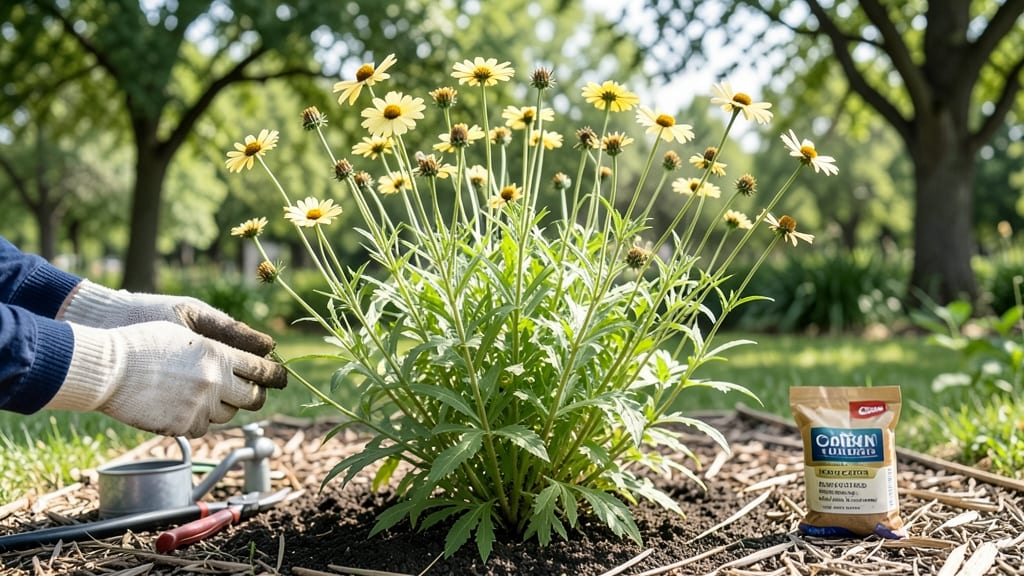
How to care for tickseed thrives where others fail—bright sun and minimal fuss. 🌻 I’ve grown these cheerful yellow blooms in full afternoon light for years, and they’ve never once complained about the heat or drought. The key? Understanding their love for sun and well-draining soil transforms them from "maybe" plants into reliable garden stars.
Most people overwater tickseed, drowning its delicate roots. Let the top inch of soil dry between waterings, and you’ll see those vibrant blooms stretch from early summer through fall. Even in containers, they stay compact and cheerful—perfect for balconies or sunny windowsills where other perennials wilt.
By mid-summer, your plants will be covered in buttery petals that attract pollinators while keeping pests at bay. The secret? Deadheading spent blooms encourages nonstop flowers, and a light feeding in spring keeps them vigorous without fuss.
Works in gardens, pots, or even as cut flowers. Here’s how to keep them blooming all season long—without the drama.
📚 In This Guide
- What you need
- Instructions
- Tips and common mistakes
- Wrapping up and next steps
What you need
- ● Pot: A well-draining container (4–6 inches deep) with drainage holes. Terracotta or plastic pots work well.
- ● Potting Mix: A chunky, orchid-specific blend (e.g., 50% bark, 30% perlite, 20% charcoal) or a terrestrial orchid mix.
- ● Tickseed Orchid: A healthy plant (check for firm pseudobulbs and no signs of rot or pests).
- ● Watering Can or Spray Bottle: For gentle hydration—avoid soaking the mix!
- ● Grow Lights: LED or fluorescent bulbs (10,000–15,000 lux) if natural light is limited.
- ● Humidity Tray: A pebble tray with water to boost humidity (especially in dry climates).
- ● Fertilizer: A balanced orchid fertilizer (20-20-20) diluted to half-strength.
- ● Pruners or Scissors: For trimming dead foliage or dividing clumps.
Tips & tricks for perfect tickseed orchid care
Here’s what nobody tells you about keeping these light-loving beauties thriving—these are the details that separate good growth from show-stopping blooms.
Medium Refresh Strategy: When you repot every 2-3 years (as instructed), take this extra step: soak the roots in lukewarm water for 10 minutes before replanting. This gentle rinse removes old salts and debris from the bark mix, giving your orchid a fresher start. I do this right after removing the plant from its old pot—it’s like giving the roots a spa treatment!
Light Adjustment for Indoor Growers: If your east or west window doesn’t provide enough light, supplement with a grow light for 12-14 hours daily. Place it 12-18 inches above the plant and use a timer to mimic natural daylight cycles. I’ve seen dramatic improvements in leaf thickness and bloom production when I add this step—especially in winter when days shorten.
Winter Rest Period Hack: The cool 50-60°F range during winter rest isn’t just about temperature—it’s about creating a dry environment too. Use a dehumidifier near your orchid if your home stays humid. I’ve had plants skip blooming entirely when I ignored this detail, but once I added the dehumidifier, they rebloomed like clockwork the following spring.
Fertilizer Application Secret: When you switch to high-phosphorus fertilizer (10-30-20) during blooming, apply it only to the roots—never let it touch the leaves or flower spikes. I use a dropper to spot-feed the bark mix directly. This targeted approach prevents leaf burn while maximizing bloom longevity. The difference in flower health is noticeable within just two weeks!
Pro Tips for Care For Tickseed
- Here’s what nobody tells you about keeping these light-loving beauties thriving—these are the details that separate good growth from show-stopping blooms.
- Medium Refresh Strategy: When you repot every 2-3 years (as instructed), take this extra step: soak the roots in lukewarm water for 10 minutes before replanting.
- Light Adjustment for Indoor Growers: If your east or west window doesn’t provide enough light, supplement with a grow light for 12-14 hours daily.
Frequently asked questions
Got questions about tickseed orchid care?
You’re not alone! Here are answers to the most common ones to keep your plant thriving and blooming beautifully.
How often should I water my tickseed orchid?
Water your tickseed orchid when the top inch of soil feels dry—usually every 7-10 days, depending on humidity and light. Overwatering is the #1 killer, so always ensure the pot has drainage holes. Pro tip: Mist the leaves occasionally in dry climates to mimic its tropical habitat!
Why are my tickseed orchid leaves turning yellow?
Yellow leaves often signal overwatering or root rot. Check the roots—if they’re mushy or black, trim the bad ones and repot in fresh, well-draining mix. Underwatering can also cause browning edges, so balance is key! Fix it fast: Adjust your watering schedule and avoid soggy soil.
Can tickseed orchids handle direct sunlight?
Yes! Unlike many orchids, tickseeds love bright, indirect light—but avoid harsh afternoon sun, which can scorch leaves. A south- or east-facing window is ideal. If indoors, supplement with grow lights 12-14 hours daily for peak blooms. Watch for: Pale leaves = too much light; slow growth = too little.
How do I encourage more blooms on my tickseed orchid?
Blooms thrive with consistent care: bright light, balanced watering, and a cool rest period (50–60°F) in winter for 4–6 weeks. Fertilize lightly (every 4–6 weeks) with a low-nitrogen orchid mix. Deadhead spent blooms to redirect energy. Bonus: Prune leggy stems to promote bushier growth!
Are tickseed orchids toxic to pets or kids?
Nope! Tickseed orchids (Epipactis spp.) are non-toxic to cats, dogs, and humans. However, always supervise curious pets—ingesting large amounts of any plant can upset stomachs. Still, they’re a safe, kid-friendly houseplant for adding color to your home!
Wrapping up and next steps
Caring for your tickseed orchid (Epipactis helleborine) is all about embracing its love for bright, indirect light and a balanced routine. With the right soil, watering schedule, and a touch of patience, you’ll be rewarded with stunning, vibrant blooms that bring life to your space. 🌿✨
Ready to see your orchid thrive? Start by monitoring its light needs—adjust placement or use sheer curtains if needed—and soon, you’ll be the proud owner of a flourishing, show-stopping plant! 🌟