
Shrubs
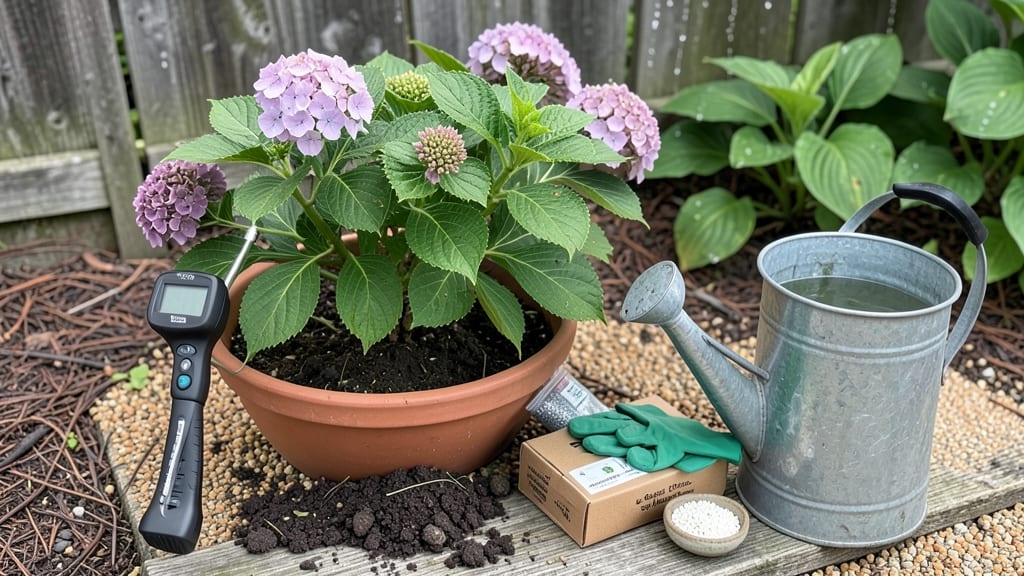
How to change hydrangea color to red—your blooms could turn a stunning bold red this summer with no magic potions required. 🌸 The secret lies in soil acidity, and I’ve learned the exact science after years of experimenting with my own hydrangeas. Most gardeners assume red hydrangeas are a fluke, but with the right pH tweaks, you can transform blue or purple flowers into vibrant reds that last all season.
First, test your soil—most hydrangeas need pH 5.5 or lower for red blooms. If your current flowers are blue or purple, you’re likely in alkaline territory. The fix is simple: add aluminum sulfate (1 lb per 100 sq ft) in early spring, then water thoroughly.
Avoid overdoing it—too much acidity can stress the plant. For organic gardeners, pine needles or coffee grounds work slowly but safely over time.
By late summer, you’ll see the difference: deep red blooms that pop against green foliage. The color change happens because aluminum becomes available in acidic soil, altering flower pigment. Just remember—this only works on mophead and lacecap varieties that naturally shift colors.
If your hydrangeas stay stubbornly blue, they might be a different type or simply not responsive to pH changes.
Pro tip: Monitor your soil pH annually—it shifts naturally over time. A simple test kit (around $10) is all you need. Once you master this, you’ll be the neighborhood hydrangea color expert. The best part? These blooms will keep their vibrant red hue for weeks longer than store-bought cut flowers.
📚 In This Guide
- What you need
- Instructions
- Tips and common mistakes
- Wrapping up and next steps
What you need
- ● pH Testing Kit – Digital or liquid test kit (e.g., Luster Leaf or LaMotte) to measure soil acidity (pH 5.0–5.5 for red blooms).
- ● Aluminum Sulfate – Granular or powder form (e.g., Southern Ag brand); 1–2 lbs per 100 sq ft for acidic soil adjustment.
- ● Garden Gloves – Heavy-duty nitrile or leather gloves (e.g., Fiskars) for handling soil amendments.
- ● Garden Fork or Tiller – For aerating soil (6–12" depth) before amendments.
- ● Watering Can or Hose – With a fine spray nozzle for even moisture distribution.
- ○ Mulch (Optional but Recommended) – Pine bark, oak leaves, or peat moss (2–3" layer) to maintain acidity.
- ● Rain Gauge or Moisture Meter – To monitor soil moisture (hydrangeas need consistent dampness but not soggy soil).
- ● Lime Alternative (for Balance) – Garden lime (if soil becomes too acidic; use sparingly, 0.5–1 lb per 100 sq ft).
- ● Slow-Release Fertilizer – Acid-loving plant fertilizer (e.g., Miracle-Gro Azalea/Camellia) for extra nutrients.
- ● Soil pH Buffer – Pre-mixed acidic soil mix (e.g., Black Gold) for container-grown hydrangeas.
- ● Pruning Shears – Clean, sharp shears (e.g., Felco) for trimming dead blooms post-treatment.
Step-by-Step guide to turning hydrangeas red through soil science
Here's how I transform hydrangeas from blue to bold red using precise soil chemistry.
🌱 Step 1: Test Your Soil's Current pH and Hydrangea Variety
Not all hydrangeas respond to pH changes—only mophead and bigleaf varieties (like 'Endless Summer') shift color with soil acidity. Start by testing your soil pH with a reliable kit (available at garden centers). Most garden soils sit around 6.0-7.0, which favors blue blooms. For red, you'll need to push pH below 5.5.
Dig a small hole near your hydrangea and collect a soil sample from 4-6 inches deep. Follow kit instructions carefully—moisture levels affect accuracy. If your reading is above 5.5, you're ready to acidify. If it's already below 5.0, you risk aluminum toxicity, which harms roots. Test again in 2-3 months to track progress.
💧 Step 2: Apply Elemental Sulfur for Gradual pH Adjustment
Elemental sulfur is the gold standard for lowering pH because it works slowly and safely. For established hydrangeas, apply ½ pound of sulfur per 100 square feet around the root zone. Spread it evenly in a 3-inch wide band about 6 inches from the plant stem—never pile it against the trunk.
Water the area thoroughly after application to activate the sulfur. It takes 2-3 months to fully acidify the soil, so don't expect instant color change. I like to apply sulfur in early spring so the plant has the entire growing season to adjust. Avoid applying in drought conditions—sulfur needs moisture to break down into sulfuric acid.
☀️ Step 3: Use Aluminum Sulfate for Faster Results (With Caution)
For quicker red blooms, aluminum sulfate delivers faster acidification but requires careful dosing. Use 1 pound per 100 square feet (half the sulfur rate) and work it into the top 2-3 inches of soil. This method can produce visible color changes in 4-6 weeks, but overuse risks aluminum buildup, which damages roots.
Test soil pH again after 6 weeks. If blooms aren't red yet, you may need a second application—but never exceed 2 pounds per 100 square feet annually. I recommend mixing aluminum sulfate with compost to buffer its intensity. Water deeply after application to prevent salt burn on roots.
🌿 Step 4: Maintain Acidic Conditions Through Organic Amendments
Once your hydrangeas are blooming red, maintain the pH with organic matter. Add 2-3 inches of pine bark fines or peat moss to the soil surface annually in early spring. These materials slowly release acidity as they decompose. I also top-dress with ½ inch of pine needles—they're free if you have pine trees and add long-term acidity.
Monitor your hydrangea's response each season. If blooms revert to blue or pink, retest the soil and reapply sulfur or aluminum sulfate as needed. Avoid lime or wood ash—these raise pH and will undo all your work. A mulch of pine straw around the base helps preserve acidity between applications.
⏰ Step 5: Time Applications for Maximum Color Impact
The key to vibrant red blooms is timing. Apply soil amendments in early spring (March-April) so the plant has the entire growing season to adjust. If you notice pH drifting toward neutral by mid-summer, do a light top-dressing of sulfur (¼ pound per plant) and water well.
Never apply acidifiers in late summer or fall—the plant won't have time to utilize the nutrients before dormancy. I also recommend pruning hydrangeas in late winter or early spring, before new growth begins. This ensures you're shaping plants that will bloom in their new red color scheme.
Tips & tricks for perfect hydrangea color transformation
A few strategic moves can make all the difference when shifting your hydrangeas from blue to bold red blooms.
Testing Accuracy: For the most reliable pH reading in Step 1, test soil from multiple spots around the plant—not just one location. I've seen readings vary by up to 0.5 points across different areas of the same garden bed. Take an average of 3-4 samples for the most accurate baseline, especially if your yard has uneven soil composition.
Sulfur Application Technique: When applying the 1 pound of elemental sulfur per 100 square feet in Step 2, focus on the root zone rather than spreading it randomly. Use a garden rake to create small trenches about 2 inches deep where the roots spread, then place the sulfur in these trenches before backfilling. This targeted approach ensures maximum root contact with the acidifier.
Moisture Monitoring: The 2-3 times per week watering guideline in Step 3 works best when you consider your local climate. In hot, dry summers, you might need daily watering, while cooler seasons may only require weekly checks. The key is maintaining that consistent dampness—think of a wrung-out sponge. Use a moisture meter if you're unsure, as hydrangeas are particularly sensitive to both drought and waterlogging.
Sunlight Strategy: The 4-6 hours of sunlight mentioned in Step 5 is ideal, but don't overlook the quality of that light. Morning sun (especially between 8am-10am) is most beneficial for red bloom development. If your plants receive afternoon sun, provide afternoon shade during peak heat (12pm-4pm) to prevent stress, which can dull the color intensity.
Pro Tips for Change Hydrangea Color To Red
- A few strategic moves can make all the difference when shifting your hydrangeas from blue to bold red blooms.
- Testing Accuracy: For the most reliable pH reading in Step 1, test soil from multiple spots around the plant—not just one location.
- Sulfur Application Technique: When applying the 1 pound of elemental sulfur per 100 square feet in Step 2, focus on the root zone rather than spreading it randomly.
Frequently asked questions
Changing hydrangea blooms to red can feel like magic, but a few common questions pop up along the way. Here’s what you need to know before diving in!
How long does it take to see red hydrangeas after adjusting soil pH?
Patience is key! Changes may take at least 6–8 weeks to show up in new growth, especially if you’re transitioning from blue or purple. Older blooms won’t change color—focus on fresh stems. For fastest results, prune in early spring and monitor soil pH regularly with a test kit.
Can I use vinegar to turn hydrangeas red? Will it harm the plant?
Yes, but with caution! Vinegar (acetic acid) can lower pH, but it’s not a long-term solution—it can harm roots and soil microbes if overused. Stick to 1–2 tablespoons per gallon of water, applied sparingly around the base (not directly on leaves). For safer results, use sulfur or aluminum sulfate instead.
What’s the best time of year to acidify soil for red blooms?
Timing matters! Aim for early spring (March–April) when roots are active but before new growth sprouts. This gives the plant time to absorb the acid and adjust. Avoid treating in late summer or fall, as cold weather slows absorption, and you might not see results until next season.
My hydrangeas are already red—why are some flowers still blue or purple?
This is normal! Hydrangeas produce color based on flower type:
- Sterile (showy) flowers (like mophead varieties) change with pH.
- Fertile (seed) flowers (smaller, inner blooms) rarely shift color—they’re genetically set to green or white.
What if my hydrangeas turn brown or wilt after acid treatment?
Over-acidification can stress plants. If leaves yellow or brown:
- Flush the soil with water to dilute excess acid.
- Add lime or wood ash (sparingly) to raise pH if needed.
- Ensure proper drainage—hydrangeas hate soggy roots.
Wrapping up and next steps
Transforming your hydrangeas into stunning red blooms is totally within reach—just tweak their soil pH and give them consistent care! 🌸 With the right balance of acidic conditions, patience, and a dash of creativity (like aluminum sulfate or coffee grounds), you’ll be rewarded with vibrant red flowers that turn heads in your garden.
Now that you’ve got the science down, why not plant a few hydrangeas this weekend and start your own red-blooming experiment? Happy gardening!