
Flowers
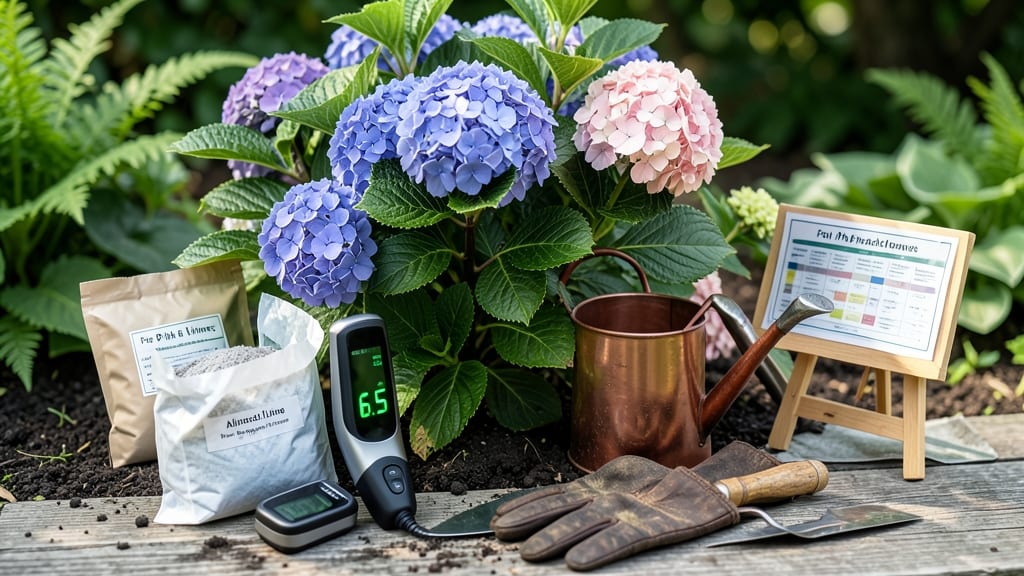
How to change the color of hydrangea flowers feels like magic—until you know the science. 💚 The secret lies in soil pH, which shifts blooms from deep blues to vibrant pinks with just a few simple adjustments. I’ve turned my own hydrangeas from dull lavender to showstopping blue and back again, all without buying expensive plants. Most gardeners assume color is genetic, but pH is the real game-changer. Blue hydrangeas thrive in acidic soil (pH 5.0–5.5), while pink blooms love alkaline soil (pH 6.0–7.0). The key is testing your soil first—then tweaking it with sulfur (for acidity) or lime (for alkalinity) over 4–6 weeks before blooming season. You’ll see the transformation as buds form: deeper blues in acidic soil, richer pinks in alkaline. Even white hydrangeas can shift slightly with the right pH. The best part? Once you master it, you can create rainbow hydrangeas in a single garden by adjusting different plants. Works for mophead, lacecap, and oakleaf varieties. Here’s how to do it right—no guesswork, just science-backed results.
📚 In This Guide
- What you need
- Instructions
- Tips and common mistakes
- Wrapping up and next steps
What you need
- ● Hydrangeas (macrophylla or paniculata varieties) – Best for color-changing (avoid oakleaf types).
- ● pH testing kit – Digital or liquid test strips (accuracy matters!).
- ● Aluminum sulfate or sulfate of potash – For blue/purple blooms (1–2 lbs per 100 sq ft).
- ● Lime (calcium carbonate) – For pink/red blooms (½–1 lb per 100 sq ft).
- ● Watering can or hose with spray nozzle – For even application.
- ● Gloves & safety goggles – Protect yourself when handling chemicals.
- ● Garden fork or trowel – For mixing amendments into soil.
- ● pH adjustment calculator – Apps or charts to track progress.
- ● Rain gauge or moisture meter – Ensures consistent hydration post-treatment.
- ● Compost or organic matter – Improves soil structure for better absorption.
Step-by-step instructions for adjusting hydrangea bloom colors
Here's the method I've used for years to transform my hydrangeas from dull to dazzling.
🌿 Step 1: Identify Your Hydrangea Type and Current Soil pH
First, determine whether you have mophead, lacecap, or oakleaf hydrangeas—their color-changing responses differ. Mopheads and lacecaps are the most responsive, while oakleaf varieties are less predictable. Dig a small hole near the plant's drip line and use a soil pH test kit to check your current levels.
I like to test in spring before new growth begins. Most garden centers sell simple test kits that give you a pH reading between 4.5 and 8.0. If your soil is already at your target pH, you can skip the amendment process entirely—this saves time and prevents over-acidifying, which can harm roots.
💧 Step 2: Adjust Soil pH Using Organic Amendments
For blue blooms, aim for a soil pH of 5.0-5.5. Mix elemental sulfur into the top 6 inches of soil around the plant's root zone. I use about 1-2 pounds per plant spread evenly and watered in thoroughly. The sulfur will gradually lower pH over 4-6 weeks, so patience is key.
For pink blooms, raise pH to 6.0-6.5 by working wood ash or hydrated lime into the soil. Use 1/2 cup per plant for wood ash or 1/4 cup per plant for lime, again mixed into the top 6 inches. Test soil again after 2-3 weeks—over-correcting can stress plants and lead to poor blooming.
☀️ Step 3: Apply pH-Specific Fertilizer for Consistent Color
Once you've adjusted the soil pH, feed your hydrangeas with a pH-specific fertilizer. For blue blooms, use an acid-loving plant fertilizer (like one formulated for azaleas or rhododendrons). For pink blooms, switch to a balanced 10-10-10 fertilizer or one with slightly higher phosphorus.
Apply fertilizer in early spring when new growth appears, then again mid-summer after the first flush of blooms. I always water the plants deeply 24 hours before and after applying fertilizer to prevent root burn. Avoid fertilizing in late summer—this encourages tender new growth that won't survive winter.
⏰ Step 4: Monitor and Maintain pH Through the Season
Color changes take 2-3 months to become visible, so don't expect immediate results. Check soil pH again in late summer and make minor adjustments if needed. For blue hydrangeas, a light top-dressing of cottonseed meal (which slowly acidifies soil) can help maintain the right conditions.
Watch for signs of stress: yellowing leaves or stunted growth may mean your pH adjustment went too far. If this happens, flush the soil with water and retest before making further changes. I keep a simple journal noting pH levels, amendments used, and bloom colors each season—it helps me fine-tune the process yearly.
🌱 Step 5: Prepare for Next Season's Color Shift
To change colors again the following year, start amendments in early fall rather than spring. Fall applications give the soil time to adjust naturally over winter. For example, if you want pink blooms next year but had blue this year, begin adding lime in October so it's fully incorporated by spring.
Remember that environmental factors like rainfall can affect pH. Heavy rains may leach amendments from the soil, so have a backup plan for dry summers. I always keep a small bag of sulfur or lime on hand for quick touch-ups. With consistent care, you'll see dramatic color transformations year after year.
Tips & tricks for vibrant hydrangea bloom colors
These pro insights will help you achieve stunning results without the guesswork.
Soil Testing Timing: Test your soil in early spring before new growth begins—this gives you the full growing season to adjust pH. I've learned that testing in summer often shows misleading results because recent rainfall can temporarily alter pH levels. The 4.5-8.0 range from test kits gives you a baseline, but hydrangeas thrive most dramatically at the extremes of 5.0-5.5 (blue) or 6.0-6.5 (pink).
Amendment Application Technique: When mixing elemental sulfur or lime into the top 6 inches of soil, use a garden fork to gently loosen the soil first. This creates better contact between amendments and roots. For blue blooms, spread the 1-2 pounds of sulfur evenly around the plant's drip line, then water thoroughly to activate it. The 4-6 week adjustment period means you'll need patience—don't expect instant color changes.
Fertilizer Timing Strategy: The 24-hour watering rule before and after fertilizing is non-negotiable. This prevents root burn and helps distribute nutrients evenly. I've found that applying fertilizer in early spring and mid-summer aligns perfectly with your hydrangea's natural growth cycles. Avoid late summer applications—they encourage tender growth that won't survive winter's cold.
Seasonal Maintenance Insight: That late summer pH check is crucial for maintaining your target color. For blue hydrangeas, a light cottonseed meal top-dressing every 6-8 weeks helps maintain acidity naturally. I keep a simple spreadsheet tracking pH levels, amendments, and bloom colors each season—it's become my secret weapon for consistent results.
Pro Tips for Change The Color Of Hydrangea Flowers
- These pro insights will help you achieve stunning results without the guesswork.
- Soil Testing Timing: Test your soil in early spring before new growth begins—this gives you the full growing season to adjust pH.
- Amendment Application Technique: When mixing elemental sulfur or lime into the top 6 inches of soil, use a garden fork to gently loosen the soil first.
Frequently asked questions
Got questions about transforming your hydrangeas into a rainbow of colors? You’re not alone! Here are answers to the most common queries—so you can confidently tweak those blooms like a pro.
Can I change hydrangea colors naturally, or do I need chemicals?
You can absolutely do it naturally! The key is adjusting the pH level of the soil around your hydrangeas. For blue/purple blooms, use organic matter like pine needles or coffee grounds (acidic). For pink/red blooms, add lime or wood ash (alkaline). No harsh chemicals required—just patience and consistency!
How long does it take to see color changes in hydrangeas?
Color shifts aren’t instant—plan for 4–6 weeks of consistent soil treatment before you notice a difference. Hydrangeas absorb nutrients gradually, so stick with your chosen method (e.g., weekly coffee grounds or lime) until new buds form. Pro tip: Test soil pH monthly with a kit for accuracy!
What if my hydrangeas don’t change color after trying everything?
Don’t panic! Some varieties (like Hydrangea macrophylla ‘Endless Summer’) are genetically resistant to pH changes. Others may need more drastic adjustments—try doubling your amendments or testing soil deeper (6+ inches). If all else fails, consider container-grown hydrangeas for full control over soil conditions.
Will changing hydrangea colors affect their health or blooming?
Not if done right! Overdoing amendments (like too much lime) can harm roots, but moderation is key. Focus on balanced soil health—hydrangeas thrive in slightly acidic to neutral pH (5.0–6.5). Well-hydrated plants with proper nutrients will still bloom beautifully, just in your desired hue.
Can I mix colors on one hydrangea bush?
Yes! Some hydrangeas (like mophead types) naturally produce multi-colored blooms when soil pH fluctuates. To encourage this, divide the bush into sections and treat each with different amendments (e.g., acidic on one side, alkaline on the other). Just space them far enough apart to avoid cross-contamination!
Wrapping up and next steps
Changing the color of your hydrangea flowers is all about understanding—and gently nudging—that acid-alkaline balance!
Whether you’re aiming for blues, pinks, or even purples, the key lies in soil pH, patience, and a little experimentation. 🌸 With the right tools and techniques, you’ll unlock a whole spectrum of vibrant blooms that’ll make your garden the talk of the neighborhood.
Ready to see the magic happen? Start by testing your soil’s pH this season—then watch your hydrangeas transform into a stunning rainbow of colors! 🎨