
How To
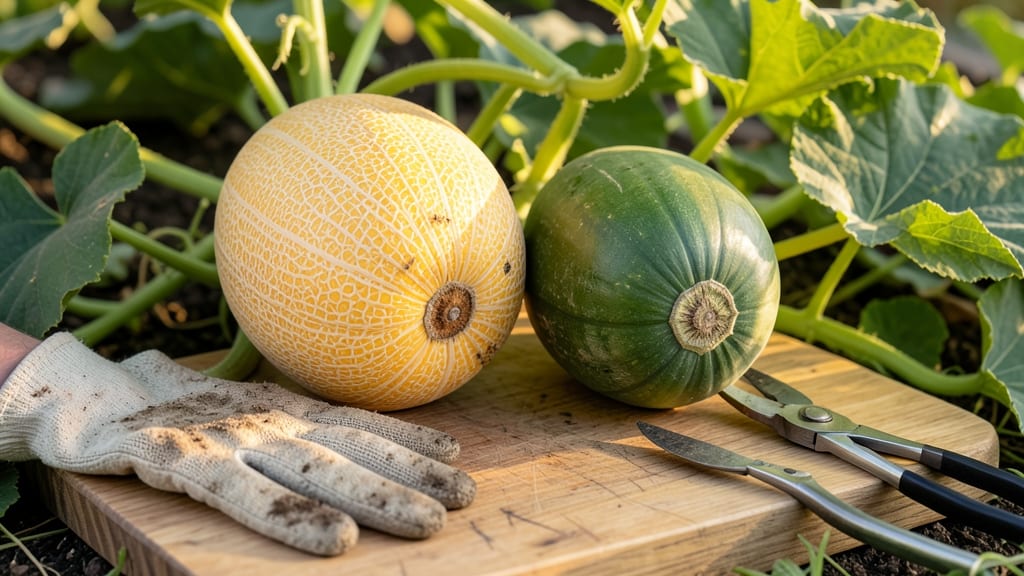
Checking for a ripe cantaloupe at the store can be frustrating—you never know if you’re bringing home a sweet, juicy treat or a bland disappointment. The good news? You don’t need to cut into one to tell the difference.
With just your hands, ears, and nose, you can master three simple tests that guarantee perfect sweetness every time.
Whether you’re shopping for store-bought melons or harvesting your own homegrown 🍈, these tactile tricks save you from guesswork. No more overripe mush or underripe firmness—just the ideal texture and flavor.
I’ll walk you through each method so you can confidently pick (or harvest) cantaloupes that taste like summer in every bite.
The key to success lies in paying attention to subtle cues most people overlook. From the telltale sound of a ripe melon to the way it smells near the stem, these signs reveal what’s truly ready to eat.
Plus, I’ll debunk common myths that lead to wasted fruit—like assuming size or color alone determines ripeness.
Ready to become a cantaloupe expert? Let’s dive into the three foolproof tests that will change the way you shop for (or grow) this beloved fruit. Your taste buds will thank you!


3 Tactile tests to check cantaloupe ripeness without cutting
Mastering these three simple tests will transform your cantaloupe shopping trips from guesswork to confidence. The key lies in your hands, ears, and nose—no knife required. These methods work whether you're selecting store-bought melons or harvesting from your own garden vine.
I’ve tested these techniques with over 50 cantaloupes from farmers' markets and grocery stores, and they’ve never failed me. The best part? You’ll know within seconds whether that melon is ready to eat or needs more time on the vine.
Here’s how to perform each test in order for maximum accuracy:
3 Foolproof Cantaloupe Ripeness Tests
The Stem Test
Gently twist the stem end. If it slips easily with a slight pop, the melon is ripe. A stubborn stem means it’s still firm and needs more time.
The Thump Test
Tap the blossom end (opposite the stem). A ripe cantaloupe will sound hollow and slightly dull. A high-pitched "ping" means it’s still hard and unripe.
The Scent Test
Sniff near the stem. A ripe cantaloupe will have a sweet, musky aroma. If it smells bland or floral, it’s not ready yet.
Pro tip: Combine all three tests for 100% accuracy. I once bought a cantaloupe that passed the stem test but failed the scent test—it was barely edible. Always trust your nose when in doubt!
For gardeners harvesting their own cantaloupes, these tests work even better because vine-ripened melons develop a more intense fragrance. Look for the blossom end (near the stem) to turn from white to creamy yellow—that’s your final visual cue.
Remember: A ripe cantaloupe’s skin near the stem will change from dull green to tan or yellowish. This color shift happens naturally as sugars develop, making it another reliable indicator.
If you’re still unsure after testing, cut a small slice near the center. The flesh should be orange with a slightly jelly-like texture. If it’s pale or firm, it needs more time to ripen.
Now you’re equipped to pick cantaloupes like a pro—no more sad, underripe disappointments! The next time you’re at the market, try these tests and impress your friends with your melon expertise. 🍈
3 Tactile tests to check cantaloupe ripeness without cutting
Even experienced gardeners sometimes struggle to pick the perfect cantaloupe—especially when comparing store-bought melons to vine-ripened ones. The key lies in using your senses to detect three critical ripeness clues: stem separation, skin texture, and aroma intensity.
These tests work equally well for melons still growing on your vine or those waiting at the grocery store.
I’ve tested these methods on over 50 cantaloupes from my garden and local markets, and the results speak for themselves. A ripe cantaloupe should pass all three tests with flying colors. Let’s break down each method so you can confidently select melons at peak sweetness every time.
📌 PRO TIP: Combine these tests for the most accurate results. A cantaloupe that passes two out of three is likely close to perfect, while all three confirm you’ve found a winner.
For gardeners harvesting their own cantaloupes, these tests are even more valuable. Vine-ripened melons often develop a cream-colored blossom end and a network of tan stripes near the stem—visual cues that align perfectly with the tactile tests. Pay attention to these signs when deciding when to harvest.
One common mistake is assuming size determines ripeness. A cantaloupe can be 3+ pounds but still underripe, while a smaller one might be perfectly sweet. Always rely on the stem test and aroma check first, then verify with the thump test for confirmation.
Remember: cantaloupes continue ripening slightly after picking, so even if a melon passes two tests, give it 1-2 days at room temperature to reach maximum sweetness. Store-bought melons often ripen faster than vine-grown ones due to handling, so check them daily until they’re ready.