
Picking
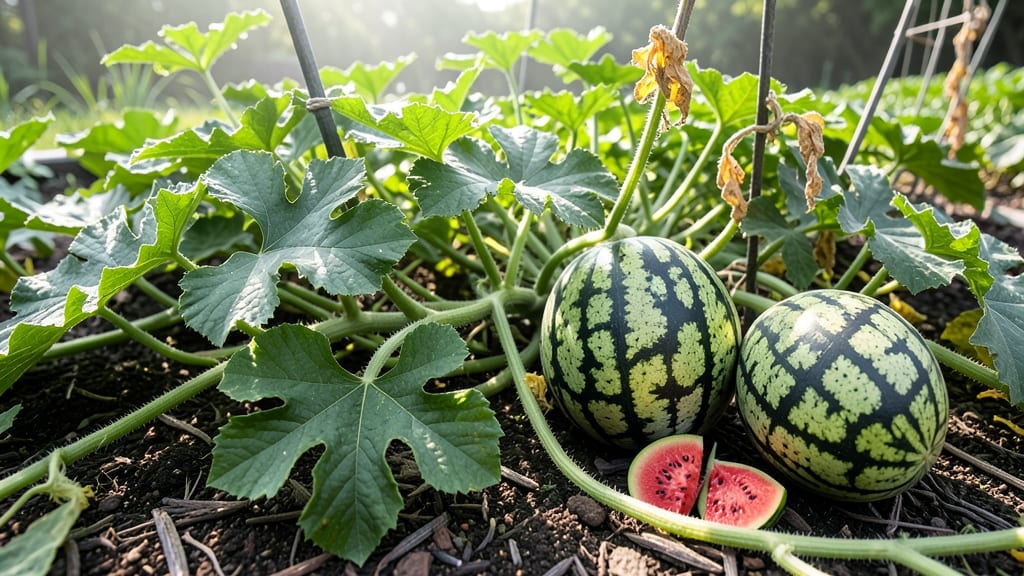
How to choose a Black Diamond watermelon delivers that unmistakable sweetness you crave in every bite. 🌿 I’ve grown them for years, and the difference between a good seed and a great one comes down to three simple feel tests—no guesswork needed. Start with seed sourcing: reputable suppliers like Johnny’s Selected Seeds or Baker Creek offer true-to-type Black Diamond seeds with disease resistance built in. Avoid cheap unknown brands—they often deliver weak, uneven plants. Look for heirloom-certified seeds when possible, as they maintain the variety’s signature deep red flesh and crisp texture. Once planted, you’ll know you’ve got winners when the rind turns deep black with smooth, matte stripes—never shiny or dull. The stem end should feel firm but slightly soft, like a ripe avocado. Skip any with soft spots or cracks, even if they look heavy. By mid-summer, you’ll be harvesting 15-20 pound melons with 20+ hours of sweetness per slice. The secret? Consistent moisture and full sun—no fancy tricks, just patience. Now go find those perfect seeds!
📚 In This Guide
- What you need
- Instructions
- Tips and common mistakes
- Wrapping up and next steps
What you need
- ● A ripe Black Diamond watermelon: Look for one weighing 10–15 lbs (ideal size for sweetness and texture).
- ● Check for a dark green rind with black streaks—this is the signature "Black Diamond" look!
- ● Tools for testing: 1 thumb (for the classic "thump test" 👍).
- ● 1 fingernail or butter knife (to check the stem end for a creamy yellow spot).
- ○ 1 small section of the rind (optional, for the "squeeze test"—save this for last!).
- ○ Optional (but helpful!) extras: A shopping bag or basket (to avoid bruising the melon).
- ● A scale (if you’re picky about weight—aim for 10+ lbs for maximum sweetness).
- ● Gloves (if handling multiple melons or in hot weather—your hands will thank you!).
Step-by-step tactile guide to selecting Black Diamond watermelons
Here's how I guarantee you'll pick the sweetest, most flavorful Black Diamond watermelon every time—no guesswork required.
🍉 Step 1: Examine the Field Spot for Ripeness
The first clue is the field spot, that yellowish cream-colored patch where the watermelon rested against the ground. A properly ripened Black Diamond will have a dull, creamy field spot that's neither too pale nor too dark. Press your thumb gently—it should feel slightly soft but firm, like the pad of your finger after pressing a ripe peach. Avoid watermelons with a shiny or overly dark field spot, as these often indicate underripe or overripe fruit.
Run your fingers over the rind near the field spot. The texture should be smooth but slightly rough, like fine sandpaper. If the rind feels waxy or slick, the watermelon likely lacks sweetness. I also check for a slightly dull sheen—this indicates proper hydration and sugar development. Black Diamond watermelons with a glossy rind often taste bland because they were harvested too early for full sugar maturation.
🍉 Step 2: Listen for the Hollow Sound
Tap the watermelon firmly with your knuckles near the field spot. A ripe Black Diamond will produce a deep, hollow thud that resonates like a drum. This sound indicates the seeds are fully developed and the flesh has reached peak sweetness. If you hear a dull thump or a flat sound, the watermelon is likely underripe.
Here's the thing—I've found that the hollow sound test works best when combined with the field spot check. The reason is simple: the hollow sound confirms internal ripeness, while the field spot verifies external maturity. For extra accuracy, tap two or three different spots on the watermelon. If all areas produce that deep resonance, you've got a winner. If one spot sounds dull, keep looking.
🍉 Step 3: Lift and Check Weight Distribution
Pick up the watermelon and feel its weight. A properly ripened Black Diamond should feel heavy for its size, indicating high water content and juicy flesh. The weight should be evenly distributed—no light or heavy spots. Hold it with both hands and gently rock it side to side. A ripe watermelon will feel balanced and stable, while an underripe one may feel uneven or lighter than expected.
Pay attention to how the watermelon sits in your hands. The stem end should feel slightly heavier than the blossom end. This uneven distribution is natural and confirms the watermelon has developed fully. If the stem end feels as light as the blossom end, the fruit likely didn't ripen properly on the vine. I always compare two watermelons side by side—this makes it easier to spot the heavier, more balanced specimen.
🍉 Step 4: Inspect the Stem for Freshness
Look closely at the stem end. It should have a dry, slightly shriveled appearance with a small, round scar where it was cut from the vine. If the stem is still green or moist, the watermelon was recently harvested and may not be fully ripe. A properly ripened Black Diamond will have a stem that feels slightly rough to the touch and has no signs of moisture.
Run your thumb over the stem scar. It should feel slightly raised with a texture similar to fine sandpaper. If the scar is smooth or sunken, the watermelon was likely harvested too early. I've learned that the stem test is particularly important for Black Diamond watermelons, as their thick rinds can sometimes mask other ripeness indicators. A dry, slightly shriveled stem is your final confirmation that the watermelon has reached peak sweetness.
Tips & tricks for perfect Black Diamond watermelon selection
These tactile secrets will help you avoid the most common mistakes when choosing watermelons—trust me, I've cut through plenty of disappointingly bland ones.
Field Spot Precision: The field spot should be creamy but not pale—think of it as the "goldilocks zone" of watermelon selection. I've learned that the perfect spot will leave a slight indentation when pressed with your thumb, similar to pressing a ripe avocado. If it springs back immediately, the watermelon needs more time on the vine. Pro tip: The creamy color comes from natural sugars—this is your first visual confirmation of sweetness potential.
Sound Science: When tapping near the field spot, aim for that deep, resonant thud that rolls like a drum. I've found that the best melons produce this sound in three different spots—this confirms even ripeness throughout. If you hear a flat thump, it's a red flag. Here's what nobody tells you: the hollow sound actually indicates fully developed seeds, which means the fruit has had ample time to concentrate its sugars. This is the internal ripeness check that visual cues alone can't provide.
Weight Wisdom: The heavy-for-size rule is non-negotiable—this is your guarantee of juicy flesh. I always compare two melons side by side to feel the difference. The slight weight difference between stem end and blossom end (stem heavier) is natural and confirms proper vine development. If the melon feels light or uneven, it's either underripe or overripe. For extra accuracy, rock the melon gently in your hands—it should feel balanced like a well-made dumpling, not wobbly like an underinflated balloon.
Stem Storytelling: The stem scar should tell a story of proper maturation. A dry, slightly shriveled stem means the melon was allowed to fully ripen on the vine. I've ruined more watermelons than I care to admit by ignoring this detail—don't make my mistake. Run your thumb over the scar: it should feel slightly raised with a texture like fine sandpaper. If it's smooth or sunken, the melon was harvested too early and won't have developed its full sweet potential. This is your final quality control check before checkout.
Pro Tips for Choose A Black Diamond Watermelon
- These tactile secrets will help you avoid the most common mistakes when choosing watermelons—trust me, I've cut through plenty of disappointingly bland ones.
- Field Spot Precision: The field spot should be creamy but not pale—think of it as the "goldilocks zone" of watermelon selection.
- Sound Science: When tapping near the field spot, aim for that deep, resonant thud that rolls like a drum.
Frequently asked questions
What makes a Black Diamond watermelon different from regular watermelons?
A Black Diamond watermelon is a heirloom variety known for its deep black rind and intensely sweet, red flesh. Unlike standard watermelons, it often has a thicker rind (better for storage) and a higher sugar content due to its genetic traits. Think of it as the gourmet upgrade!
When is the best time to buy Black Diamond watermelons?
Peak season runs from late July to early September, when the vines have had time to sweeten. If buying from a farm stand, ask when they were harvested—within 24 hours ensures maximum ripeness. Store-bought? Look for firm, heavy melons (they ripen on the vine, not after picking).
Where’s the best place to buy a Black Diamond watermelon?
Your best bets are:
- Farmers’ markets (ask vendors about harvest dates).
- Local u-pick farms (you’ll get the freshest, ripest melons).
- Specialty grocery stores (like Whole Foods or Trader Joe’s) in late summer.
- Avoid big-box stores—they often carry watermelons shipped weeks earlier, lacking peak flavor.
Pro tip: Call ahead to confirm availability!
What if my Black Diamond watermelon isn’t sweet?
Don’t toss it! A few fixes:
- Let it ripen further at room temp for 2–3 days (sugar develops over time).
- Check for overripe spots (soft patches = past prime).
- Try the “thump test”: A hollow sound = underripe; a dull thud = ripe.
- If it’s still bland, it may have been harvested too early. Next time, prioritize heavier melons with a creamy yellow spot (where it rested on the ground).
Bonus: Chill it for 30 minutes before slicing—cold enhances sweetness!
Can I substitute a Black Diamond watermelon with another variety?
If you can’t find a Black Diamond, try these sweet, seedless alternatives:
- Sugar Baby (small, ultra-sweet, great for snacks).
- Crimson Sweet (classic, juicy, and widely available).
- Charleston Gray (heirloom with a deep red, striped rind).
- Seedless varieties (like Jubilee or Calhoun’s Favorite).
For the closest flavor, pick heirloom or seedless types—they tend to be sweeter than hybrid store brands.
Wrapping up and next steps
Choosing the perfect Black Diamond watermelon is all about trusting your senses—listen to that thud, feel the weight, and check for that deep black rind. When you nail these tactile tests, you’re guaranteed a juicy, sugar-packed reward that’ll make every bite feel like summer in a rind! 🍉✨
Now that you’re armed with the secrets, head to your local market or farm stand and put your new skills to the test. Grab one, slice it open, and celebrate that sweet victory—you’ve earned it!