
Pruning
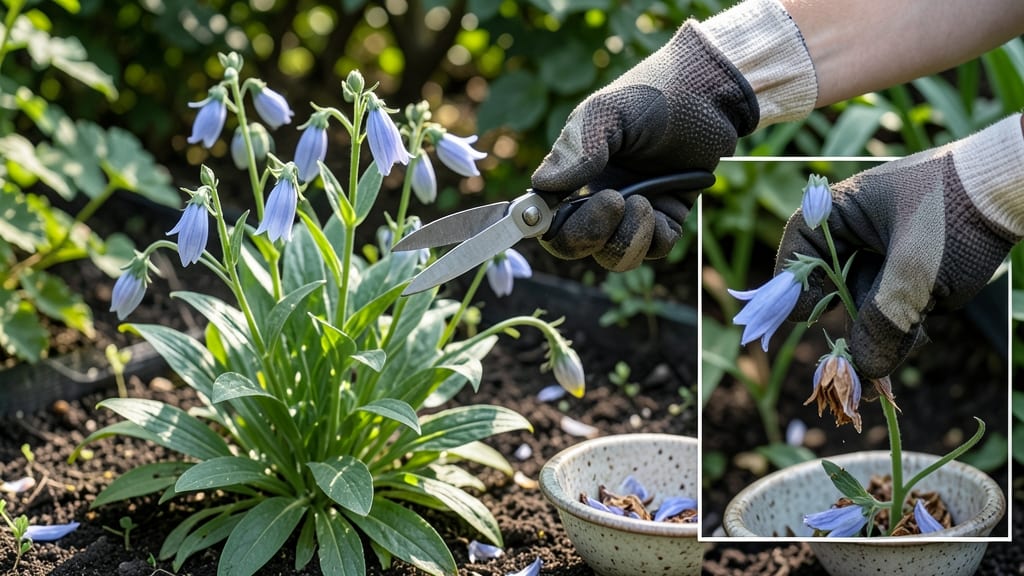
Deadheading campanula isn’t just about tidying up—it’s the secret to longer blooms and healthier plants. ✂️ These delicate bellflowers thrive when you remove spent blooms before they set seed, redirecting energy into fresh flowers instead of seed production.
I’ve seen campanula go from a single flush of blooms to three full seasons of color just by mastering this simple technique.
The right tools and timing make all the difference. You’ll need sharp pruners or clean scissors, and the best moment is right after a flower fades—never wait for it to brown.
Cut just above the next set of leaves (or the first healthy leaf pair), and you’ll encourage bushier growth. Campanula responds beautifully to this precision; skip it, and you’ll end up with leggy stems and fewer flowers.
What you’re really doing is tricking the plant into thinking it’s spring again. By removing old blooms, you signal to campanula that it’s time to produce more flowers, not seeds. The result? Vibrant clusters that last from early summer through fall, with minimal effort.
Even better, this method keeps your plants compact and prevents them from self-seeding everywhere (a common frustration with campanula).
Works for all campanula varieties—whether you’re growing trailing bellflowers in containers or upright types in borders. The key is consistency: check your plants weekly during peak bloom, and you’ll enjoy a show that lasts. Here’s exactly how to do it without a single guess.
📚 In This Guide
- What you need
- Instructions
- Tips and common mistakes
- Wrapping up and next steps
What you need
- ● Before you dive into deadheading your Campanula (aka bellflowers), gather these essentials to make the process smooth and efficient:
- ● Pro tip: 🔥 Sterilize tools before and after—this prevents disease spread between plants!
Step-by-step instructions for deadheading campanula
Here’s the precise method I use to keep campanula blooming all season long—no guesswork, just clean cuts and happy plants.
✂️ Step 1: Identify the Right Blooms to Trim
Wait until flowers have fully opened but are just beginning to fade—petals will look slightly wilted at the edges. I look for spent blooms where the center turns brown or the petals start curling back. This is your cue to act before seed pods form, which signals the plant to stop producing new flowers.
Grab a pair of sharp, clean pruners or scissors. Avoid using your fingers—you’ll crush tender stems and risk introducing bacteria. Hold the tool at a 45-degree angle just above a set of leaves or a healthy side shoot. This angled cut prevents water from pooling on the stem, which can cause rot.
✂️ Step 2: Make the Precision Cut
Snip the stem ½ inch above a leaf node where new growth can emerge. If you cut too close, you risk damaging the bud below; too far, and you leave a stub that won’t regenerate. For campanula, I avoid cutting into woody stems—focus on the softer, green growth where flowers emerge.
If multiple blooms share one stem, trim the entire stem back to the first healthy set of leaves. This encourages bushier growth and prevents leggy stems. You’ll notice new flower buds forming within 2-3 weeks—that’s your reward for precise trimming.
✂️ Step 3: Clean Up and Encourage New Growth
After deadheading, remove any fallen petals or debris from the base of the plant. This keeps the area dry and reduces the risk of fungal diseases. I like to give the plant a light shake over a bucket to catch any loose petals before they scatter.
Once you’ve finished, step back and assess the plant’s shape. Campanula thrives with a rounded form, so trim uneven stems to maintain balance. If you notice leggy growth reaching upward, it’s a sign the plant needs more light—not more water. Move it to a sunnier spot for the next flush of blooms.
⏰ Step 4: Maintain a Regular Deadheading Schedule
For campanula, I deadhead every 7-10 days during peak bloom season (spring through early fall). This consistent care prevents the plant from diverting energy into seed production. In cooler months, reduce trimming to once a month—campanula slows down naturally.
Watch for new buds forming at the base of the plant. These are your signal that deadheading is working. If you see fewer buds over time, the plant may need a light fertilizer (½ strength) to replenish nutrients. Always water at the base after trimming to help the plant recover quickly.
Tips & tricks for perfect campanula care
Here's what nobody tells you about keeping campanula blooming like a pro—these are the details that separate a patchy garden display from a showstopper.
Timing is Everything: The 7-10 day schedule isn't arbitrary—it matches campanula's natural bloom cycle. If you wait until flowers are completely brown and crispy, you're too late; the plant has already decided to focus on seed production. I set a reminder every 7 days during peak season so I never miss the window when blooms are just starting to fade but still vibrant.
The Angle Game: That 45-degree cut isn't just for looks—it's a water management system. The angled cut prevents water from pooling on the stem, which would otherwise create perfect conditions for fungal infections. Think of it like a tiny roof that sheds rainwater away from the plant's vulnerable neck. And always cut just above a leaf node where new growth can emerge—this is where campanula's magic happens.
Light Check: Leggy growth isn't about water—it's a light deficiency screaming for attention. If your campanula starts reaching upward like it's trying to hug the sky, move it to a sunnier location immediately. Campanula thrives in partial shade but needs at least 4-6 hours of direct sunlight daily. I've seen plants double their bloom production just by moving them a few feet closer to a sunny window or relocating them to a more open garden spot.
Pro Tips for Deadhead Campanula
- Here's what nobody tells you about keeping campanula blooming like a pro—these are the details that separate a patchy...
- Timing is Everything: The 7-10 day schedule isn't arbitrary—it matches campanula's natural bloom cycle. If you wait u...
- The Angle Game: That 45-degree cut isn't just for looks—it's a water management system. The angled cut prevents water...
Frequently asked questions
Got questions about deadheading Campanula like a pro? Here are the answers to the most common queries—so you can keep those bell-shaped blooms coming all season long!
When is the best time to deadhead campanula?
Deadhead Campanula as soon as blooms fade and before seed pods form—usually mid-morning after dew dries. For spring-blooming varieties, do it immediately after flowering; for summer/fall types, repeat every 2–3 weeks. Pro tip: Wait until the flower wilts but hasn’t turned brown yet for cleaner cuts!
Do I need special tools to deadhead campanula?
Not at all! A sharp pair of pruning shears or even clean scissors work perfectly. Avoid fingernails or dull tools—they can crush stems and invite disease. For large clumps, bypass pruners (with a 4–6" blade) make quick work of multiple stems.
Will deadheading campanula encourage more flowers?
Deadheading redirects the plant’s energy from seed production to new growth and blooms. Regular pruning can double—or even triple—your flower count. Just avoid over-trimming: never cut more than 1/3 of the plant at once, or you’ll stress it.
What if I miss deadheading—can I still save my campanula?
Don’t panic! If you skip deadheading, simply trim back the entire spent flower stalk (including seed pods) to the nearest leaf or bud. The plant may produce fewer blooms that season, but it’ll bounce back. Bonus: Removing seed heads also prevents self-seeding, which can clutter your garden.
Can I deadhead campanula in rain or cold weather?
Wait for dry, mild weather—ideally 60°F+—to avoid spreading moisture-borne diseases. Cold or wet conditions can stress the plant, making it vulnerable to rot. If you must prune in damp conditions, sterilize tools with rubbing alcohol first and avoid working at dusk.
Pro Tip Table: Deadheading Dos and Don’ts
| DO | DON’T |
|---|---|
| Cut just above a leaf node or bud for regrowth. | Leave brown, mushy stems—they attract pests. |
| Use clean, sharp tools every time. | Deadhead in direct sunlight (can scorch leaves). |
| Wear gloves if your campanula is thorny. | Over-prune—never trim more than 1/3 of the plant. |
Wrapping up and next steps
Deadheading your campanula is a simple yet rewarding task that keeps your garden vibrant and full of life!
By removing spent blooms regularly, you encourage longer, healthier flowering seasons and a tidier appearance. 🌸 With just a few snips and a little consistency, you’ll enjoy a cascade of blooms all season long.
Ready to give it a try? Grab your pruners and head to your garden—your campanula will thank you with stunning, continuous color! For extra flair, consider pairing it with complementary plants like lavender or salvia to create a breathtaking display.