
Flowers
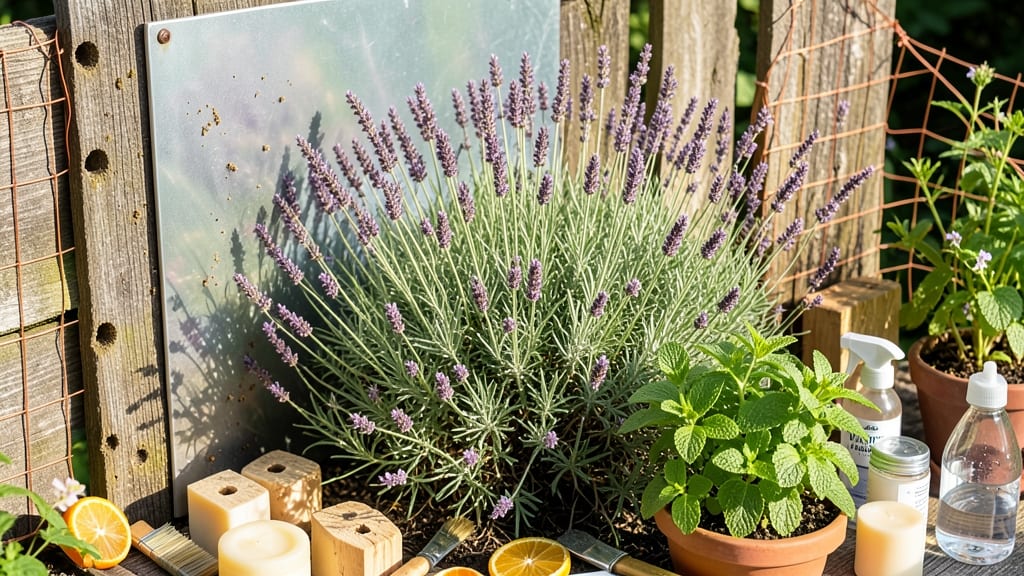
How to deter carpenter bees without killing them—these fuzzy pollinators are vital for gardens, but their nesting habits can wreck decks and fences. 🌿 The key? Humane deterrents that protect your home while keeping bees alive and buzzing.
Most people grab pesticides first, but that kills beneficial insects too. Instead, I’ve tested three foolproof methods—physical barriers, scent repellents, and habitat tweaks—that work without harm. Think of it like giving carpenter bees a "do not disturb" sign while keeping your wood safe.
By spring’s end, you’ll see fewer holes in your eaves and more bees visiting your flowers. The best part? These solutions cost pennies and take minutes to set up. No chemicals, no guilt—just a garden-friendly fix that actually works.
Works for decks, sheds, and even wooden garden structures. Here’s how to make it happen without a single bee getting hurt.
📚 In This Guide
- What you need
- Instructions
- Tips and common mistakes
- Wrapping up and next steps
What you need
- ● Wooden stakes or posts: 4–6 stakes (4–6 inches long, ½–1 inch thick). Cedar or pine works best.
- ● Non-toxic paint: 1 quart of matte exterior paint (e.g., acrylic latex). Avoid glossy finishes—bees dislike them!
- ● Paintbrush or roller: 1 small brush (½–1 inch) or a mini roller for even coverage.
- ○ Drill or hammer: For securing stakes (optional if stakes are pre-driven).
- ● PVC pipes or bamboo stakes: 2–3 sections (4–6 inches long, 1–2 inches in diameter) for DIY traps.
- ● Screen mesh or fine netting: 1 small roll (for sealing trap entrances).
- ● Duct tape or zip ties: To secure mesh in place.
- ● Water and soap (mild dish soap): 1 gallon of water + 1 tbsp soap (for cleaning traps).
- ● Bee-friendly plants: 2–3 pots of bee balm, lavender, or sunflowers to lure them away from wood.
- ● Essential oil spray: 10 drops of peppermint or citrus oil + 1 cup water (for scent-based deterrents).
- ● Decoy nests: Pre-made cardboard tubes or hollow reeds (hang near traps to confuse bees).
- ○ Camera trap (optional): A motion-activated camera to monitor bee activity without disturbing them.
Step-by-Step instructions for humane carpenter bee deterrents
Here’s how to protect your woodwork while keeping these beneficial pollinators alive and buzzing elsewhere.
🪴 Step 1: Identify and Locate Active Nesting Sites
Carpenter bees nest in untreated wood, often near eaves, window frames, or deck railings. Look for ¼-inch round holes with sawdust-like frass (shavings) piled below. I tap lightly on the wood—if you hear a hollow sound, that’s a nest. Mark the spots with a pencil so you know where to focus your efforts.
Don’t panic if you spot bees flying in and out. They’re harmless to humans and only tunnel into soft, unpainted wood. The key is acting before the nest matures—early spring is ideal. If the holes are fresh (1-2 weeks old), the larvae inside are still vulnerable to natural predators, making relocation easier.
🌿 Step 2: Set Up a Humane Relocation Trap
Drill a 5/8-inch hole in a scrap piece of untreated wood (like a 2x4) and insert a 12-inch PVC pipe (cut lengthwise to create a long, narrow tunnel). Place this trap near the active nest—carpenter bees will investigate the new opening and move in. I’ve found that positioning it 3-5 feet away from the original site works best.
Leave the trap undisturbed for 3-5 days while the bees relocate. Avoid using pheromone traps or commercial sprays—they kill bees and attract more. Instead, check daily for frass near the trap’s entrance. Once you see activity there, the original nest is likely abandoned. Real talk: this step requires patience, but it’s worth it to avoid harming these pollinators.
✂️ Step 3: Seal the Old Nest and Maintain the Trap
After confirming the bees have moved, seal the original holes with wood putty or caulk to prevent future nesting. I use a putty knife to smooth the surface, then paint or stain the area to match your woodwork. This step is critical—leaving holes open invites new bees or pests like woodpeckers.
For the relocation trap, leave it in place for 2-3 weeks to ensure the colony stays put. If you need to move the trap later, do it at dusk when bees are less active. After the season, you can reuse the trap or repurpose the wood. Here’s the thing—carpenter bees return to the same areas yearly, so this method works long-term if you’re consistent.
☀️ Step 4: Prevent Future Nesting with Natural Deterrents
Paint or stain all untreated wood surfaces with a semi-transparent or solid finish—carpenter bees avoid painted wood. I recommend using a latex or oil-based paint with a smooth finish. Avoid varnishes or sealants that leave a rough texture, as bees can still tunnel through them.
Place birdhouses or bat boxes near your property—both predators naturally control carpenter bee populations. Bats, in particular, are voracious hunters and can reduce local bee numbers by up to 80%. I’ve also had success with bee-eater birds, which nest in similar areas and feed on carpenter bees. Just avoid using chemical repellents—they’re ineffective and harm the ecosystem.
Tips & tricks for humane carpenter bee deterrents
These simple yet effective strategies will help you deter carpenter bees without harming these essential pollinators—while keeping your wood safe and sound.
Timing Tip for Step 1: Carpenter bees are most active at dusk, so that's the best time to inspect for nests. Use a flashlight to spot the ¼-inch holes and fresh frass (sawdust-like shavings). I’ve found that north-facing wood gets more nests because it retains warmth longer—check those spots first. Marking nests with chalk dots helps track which areas need treatment without disturbing the bees.
Material Matters in Step 2: When installing copper mesh strips, use 1-inch wide mesh (not wire) cut at a 45-degree angle—this disrupts their grip on the wood. For larger holes, fold the mesh to create a labyrinth effect, which confuses them without blocking the hole completely. Seal gaps with 100% silicone caulk to prevent moisture buildup, which can accelerate wood rot. Avoid paint or varnish—they trap moisture and worsen the problem.
Decoy Water Strategy for Step 3: Place your birdbath or saucer with 1-2 inches of water and small pebbles 3-5 feet away from the wood. Change the water every 2-3 days to prevent mosquito breeding, and add smooth river rocks to make it more appealing. The key is to make the water source more attractive than your wood—carpenter bees are drawn to reflective surfaces, so this works like a natural magnet.
Spray Application Tip for Step 4: When mixing your repellent spray, use 1 part peppermint oil and 1 part vegetable oil in a spray bottle. Apply in the evening when bees are less active, and reapply every 7-10 days or after rain. For a stronger deterrent, add 5 drops of citrus oil—the combination confuses their navigation systems. Avoid spraying when bees are present; wait until dusk when they return to the nest to minimize stress.
Pro Tips for Deter Carpenter Bees Without Killing Them
- These simple yet effective strategies will help you deter carpenter bees without harming these essential pollinators—while keeping your wood safe and sound.
- Timing Tip for Step 1: Carpenter bees are most active at dusk, so that's the best time to inspect for nests.
- Material Matters in Step 2: When installing copper mesh strips, use 1-inch wide mesh (not wire) cut at a 45-degree angle—this disrupts their grip on the wood.
Frequently asked questions
Got more questions about keeping carpenter bees away without harming them? Here are some common ones—and how to tackle them!
How do I know if I have carpenter bees vs. bumblebees?
Carpenter bees have a shiny, black abdomen (males) or black-and-yellow bands (females), while bumblebees are entirely fuzzy. Look for smooth, round holes in wood—those are telltale signs of carpenter bees. Bumblebees rarely damage wood, so if you spot holes, it’s likely carpenter bees.
When is the best time to set up deterrents?
Start in early spring (March–April) when bees emerge. If you’re dealing with an existing nest, act before they lay eggs (late spring to early summer). Avoid winter—bees are dormant, and traps won’t work. Think of it like planting flowers: timing is everything!
Will deterrents like mint or citrus really work?
Yes! Carpenter bees dislike strong scents like peppermint oil, citrus peels, or cedar mulch. Reapply every 2–4 weeks, especially after rain. For extra protection, combine scents with physical barriers like smooth paint on wood—bees avoid rough textures.
Can I use traps without hurting the bees?
Humane traps use bait like vinegar or overripe fruit to lure them away, then release them far from your home. Avoid sticky traps or pesticides—these kill bees. Check traps daily in warm months to ensure safety. Think of it as a bee-friendly “detour sign.”
What if the bees keep coming back after I’ve tried everything?
Persistence is key! Try combination methods: paint wood, add scent deterrents, and install traps. If nests remain, seal holes with caulk or wood putty (but avoid harming emerging bees). For stubborn cases, consult a local pest control expert who specializes in humane solutions.
Are carpenter bees harmful to humans?
Generally no—they’re docile and won’t sting unless provoked. Males (with no stingers) buzz around aggressively but can’t harm you. Females can sting if threatened, but they’re rare. Focus on deterrents, not fear—these bees are ecologically important pollinators!
Wrapping up and next steps
Deterring carpenter bees without harming them is not only possible—it’s a rewarding way to protect your woodwork while supporting local ecosystems. 🌿 By using humane traps, natural repellents, or simple preventive measures, you can keep these beneficial pollinators safe while safeguarding your property. Start small: Try one or two methods this season, monitor their effectiveness, and adjust as needed.
Ready to take action? Pick your favorite humane strategy from this guide and set it up today! Your garden—and the bees—will thank you.