
Blooming
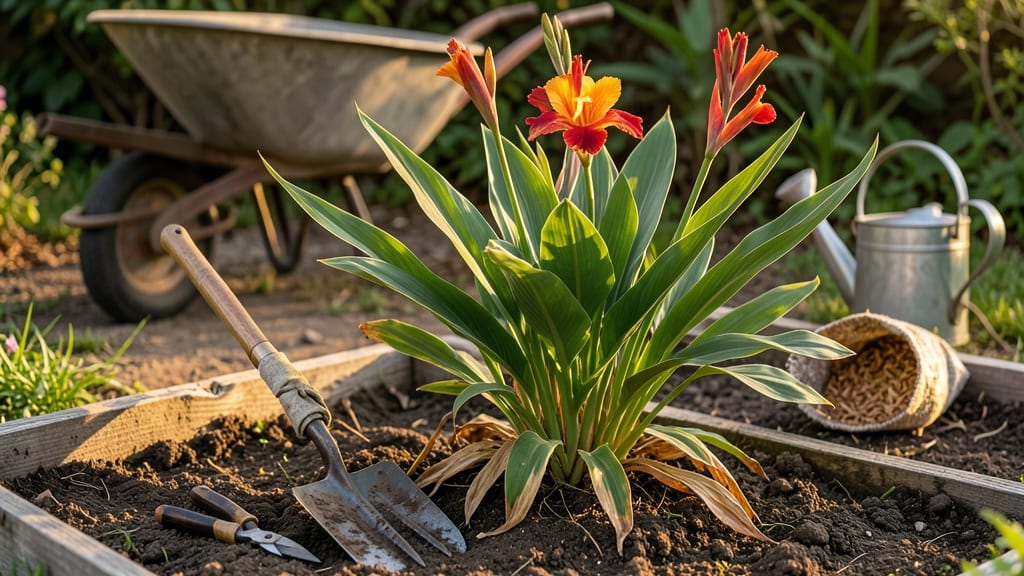
Spring’s the perfect time to split canna lilies—double the blooms with just a few cuts. 🌿 I’ve divided my overgrown clumps every year, and each time, the plants bounce back stronger, packing more vibrant flowers into the same space.
The secret? Timing, sharp tools, and knowing where to slice the thick, gnarled roots.
You’ll need basic supplies: a clean, sharp spade or pruners, garden gloves, and a bucket of water to rinse the roots. Choose a cloudy day to reduce stress on the plants—sunlight can dry them out too fast.
The goal is to separate each division into 3-5 inches of root with at least one healthy shoot. No need for fancy equipment; a sturdy trowel works just as well.
After dividing, replant immediately in well-draining soil with 2-3 inches of compost mixed in. Water deeply to settle the roots, then keep the soil moist (not soggy) for the first 2-3 weeks.
You’ll see fresh growth within a week, and by summer, those divisions will be bursting with blooms—often more than the original plant ever did.
Mistakes happen: cutting too close to the center or missing a shoot can stunt growth. If you see yellow leaves, it’s usually a sign of too much sun or underwatering.
But don’t stress—cannas are forgiving. With the right care, your divided plants will reward you with bold, tropical blooms for years to come.
📚 In This Guide
- What you need
- Instructions
- Tips and common mistakes
- Wrapping up and next steps
What you need
- ● Sharp shovel or garden spade – A sturdy, clean spade (18–24 inches long) to minimize root damage.
- ● Garden gloves – Heavy-duty gloves (waterproof preferred) to protect your hands from thorns and dirt.
- ● Pruning shears or clean knife – For trimming thick roots or stems (sterilized with rubbing alcohol).
- ● Hose or watering can – To thoroughly soak the clump before and after dividing.
- ● Compost or well-aged manure – A 5-gallon bucket of organic matter to enrich planting holes.
- ○ Mulch (optional but recommended) – 2–3 inches of shredded bark or straw to retain moisture and suppress weeds.
- ● Rooting hormone – Speeds up regrowth for larger divisions (gel or powder form).
- ● Wheelbarrow or bucket – For transporting divided sections to new planting spots.
- ● Disinfectant spray – To clean tools between cuts and prevent disease spread.
- ● Measuring tape – Ensures divisions are at least 3–4 inches in diameter for healthy regrowth.
Step-by-step instructions for dividing canna lilies
Here's how to double your canna lilies' blooms by splitting rootballs—no fancy tools needed.
🌱 Step 1: Choose the Right Time to Divide
Spring is ideal, right after the last frost when new shoots emerge but before the plants reach 6 inches tall. I always wait until I see 3-5 fresh green leaves on the mother plant—this signals the roots have stored enough energy for new growth. Avoid dividing in fall or winter, as the plants need all their strength to survive dormancy.
If you missed spring, you can divide in early summer, but growth will be slower. The key is to split when the roots are active but not yet overcrowded. Dig up the clump when the soil is 60-70°F—warmer than that, and you risk shocking the roots.
✂️ Step 2: Dig Up and Separate the Rootball
Use a sharp spade to dig around the entire clump, cutting 12 inches deep to avoid damaging the roots. Gently lift the rootball from the soil and brush away excess dirt with your hands—no need to rinse it off. Look for natural divisions where the roots separate into distinct sections, each with its own 3-5 inch thick rhizome and at least 1-2 shoots.
If the clump doesn’t split easily, use a clean, sterilized knife to cut between sections. Make sure each new division has a healthy piece of rhizome—this is where the plant stores energy for its next growing season. Discard any soft, mushy, or rotting sections—they’ll only slow down your new plants.
🪴 Step 3: Prepare New Planting Spots
Choose a location with full sun to partial shade and well-draining soil—cannas hate soggy roots. Amend the soil with 2-3 inches of compost mixed into the top 6 inches of soil. Dig holes just deep enough to bury the rhizome 2 inches below the soil surface, with the shoots facing upward.
Space the new divisions 18-24 inches apart to give them room to grow. If you’re planting in containers, use pots at least 12 inches wide and deep with drainage holes. The larger the pot, the longer the plants will thrive before needing division again.
💧 Step 4: Water and Mulch for Recovery
Water each newly planted division deeply right after planting to settle the soil around the roots. Keep the soil evenly moist but not soggy for the first 2-3 weeks—this helps the roots establish without stress. You’ll know it’s right when the soil feels damp 1 inch below the surface.
Apply a 2-inch layer of mulch around the base of each plant to retain moisture and regulate soil temperature. Use shredded bark or straw—avoid fresh wood chips, as they can tie up nitrogen in the soil. After the first month, reduce watering to once a week, unless your area experiences extreme heat or drought.
☀️ Step 5: Monitor and Encourage Growth
Watch for new leaves to emerge within 2-4 weeks—this is your sign that the division is taking root. If you notice yellowing leaves, it’s usually a sign of overwatering or poor drainage. Adjust your watering schedule and ensure the soil drains well.
Fertilize lightly with a balanced, slow-release fertilizer (10-10-10) after the first month of growth. Avoid heavy feeding in the first season—you want the plants to focus on root development, not just foliage. By next spring, your divided cannas should be ready to bloom again, often even more vigorously than before.
Tips & tricks for perfect canna lily division
These little-known tricks will help you multiply your canna lilies with confidence—and avoid the most common mistakes.
Timing Secret: Early spring is ideal because the plants are just waking up from dormancy, making them more resilient during division. If you choose fall, wait until after the first frost has blackened the foliage—this signals the plant's natural dormancy period. I've found that dividing in late spring or summer stresses the plants, often resulting in slower recovery and fewer blooms.
Rootball Rescue: When you're soaking the roots for that 5-10 minutes, don't rush it! This step is crucial for revealing the natural divisions. If your roots are particularly caked with old soil, try rubbing them gently between your fingers under running water. I've learned that stubborn soil clumps can hide important growth points where you should be dividing.
Planting Depth Matters: Positioning those tubers just below soil level might seem tricky, but here's the visual cue: the top of each tuber should be visible when you're done planting. This ensures they won't rot from being buried too deep, yet they're still anchored well enough to establish roots quickly. I always make a small mound of soil first, then place the tubers on top before adding the rest.
Watering Wisdom: That first 1 inch of water per week is non-negotiable during the establishment phase. I've seen divided cannas struggle when given inconsistent watering—either too much (leading to rot) or too little (causing stress). Consider installing a simple drip irrigation system if you're dealing with multiple divisions, as it makes maintaining consistent moisture much easier.
Pro Tips for Divide Canna Lilies
- These little-known tricks will help you multiply your canna lilies with confidence—and avoid the most common mistakes.
- Timing Secret: Early spring is ideal because the plants are just waking up from dormancy, making them more resilient during division.
- Rootball Rescue: When you're soaking the roots for that 5-10 minutes, don't rush it!
Frequently asked questions
When is the best time to divide canna lilies?
The ideal time to divide canna lilies is early spring (just as new shoots emerge) or fall (after foliage dies back). Avoid dividing during peak summer heat or winter dormancy—roots need energy to recover. If you miss the window, late spring is still better than late fall.
What if my canna lilies aren’t blooming after dividing?
Give them 1–2 seasons to recover—dividing stresses plants! Ensure they get full sun (6+ hours/day) and rich, moist soil. Overcrowding before dividing or poor soil can delay blooms. If no growth appears, check for root rot (soft, mushy roots) or pests.
Can I divide canna lilies every year?
No—divide only when the clump outgrows its space (every 3–4 years). Over-dividing weakens plants. Look for multiple stalks from one root or fewer blooms as signs it’s time. Smaller divisions (3+ stalks per section) establish faster than tiny offsets.
What if my canna lilies have no visible roots when dividing?
Gently tease apart the rootball with your hands or a knife—cannas often have hidden roots! If roots are sparse, trim healthy stalks to 6–12 inches and replant. Add compost to the soil to encourage root regrowth. Avoid forcing divisions with no roots; they may not survive.
Can I divide canna lilies in containers instead of the ground?
Yes! Container-grown cannnas can be divided similarly, but use larger pots (10+ gallons) for each division. Ensure pots have drainage holes and repot in well-draining potting mix. Containers dry out faster—water deeply when the top inch of soil feels dry.
Wrapping up and next steps
Dividing canna lilies is a rewarding way to expand your garden while keeping your plants thriving! By following these simple steps—timing your split, prepping the tools, and handling the roots with care—you’ll soon enjoy double the blooms and healthier plants.
Whether you’re a seasoned gardener or just starting, this process is beginner-friendly and full of potential.
Now that you’re ready to tackle the task, grab your gloves and get digging! 🌱 Ready to see your canna lilies flourish even more? Check out our guide on post-division care to keep your new plants happy and blooming all season long.