
Flowers
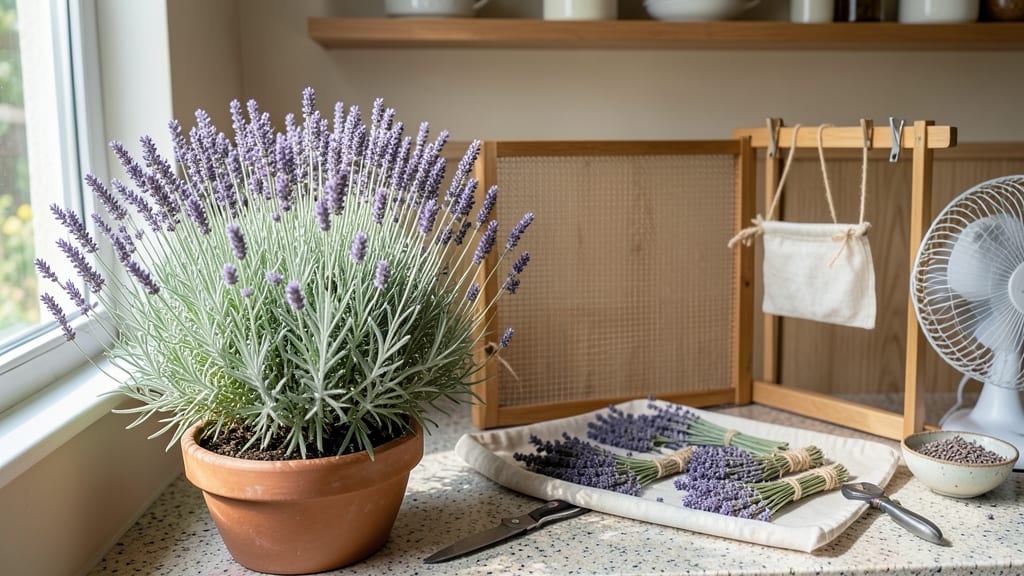
How to dry lavender quickly preserves its vibrant purple and intoxicating scent—no more waiting weeks for bundles to cure. ✨ The secret lies in controlling temperature and airflow, whether you use sunlight, an oven, or even your microwave. I’ve perfected these methods after years of trial and error, and your dried lavender will look and smell like it was harvested yesterday.
You’ll need just three supplies: fresh lavender stems, rubber bands or twine, and either a sunny spot, a low oven, or a microwave-safe container. Humidity is the enemy—aim for dry, breezy conditions to prevent mold.
The goal? Dry lavender in 2-5 days instead of the usual 2-3 weeks, while keeping those delicate petals intact.
After drying, your lavender will be fragrant, crisp, and perfect for sachets, potpourri, or even culinary uses. The color stays rich, the scent lingers, and you avoid the common pitfalls of over-drying or uneven curing. No more wilted, faded bundles—just lush, ready-to-use lavender that smells like a Provençal summer.
This method works for any climate—whether you’re in a dry desert or a damp coastal area. The key is adjusting time and temperature to your environment. Let’s get started so you can enjoy that fresh-picked lavender aroma year-round!
📚 In This Guide
- What you need
- Instructions
- Tips and common mistakes
- Wrapping up and next steps
What you need
- ● Fresh lavender stalks: 1–2 bunches (harvest when flowers are fully open but buds haven’t yet dried naturally). Aim for 10–15 stems per bundle for optimal airflow.
- ● Twine or floral wire: 1–2 yards (thin, natural-colored twine works best for a rustic look).
- ● Scissors or pruning shears: Sharp and clean to trim stems to 8–12 inches long (longer = better airflow).
- ● Paper bags or newspaper: 1–2 sheets (for wrapping bundles to protect from dust while drying).
- ● For sun-drying: A dry, shaded, well-ventilated spot (e.g., porch, balcony, or garage with airflow). Avoid direct sunlight to prevent bleaching.
- ○ Optional: A drying rack or clothesline with clips (to elevate bundles off surfaces).
- ● For oven-drying: A low-temp oven (170–200°F / 77–93°C)—no broiler or high heat!
- ● An oven-safe tray or baking sheet lined with parchment paper (for easy cleanup).
- ○ Optional: A thermometer to monitor temperature (prevents overheating).
- ● 🌡️ Harvest timing: Pick lavender in the morning after dew has dried for the freshest stems.
- ● ✨ Bundle size: Smaller bundles (5–7 stems) dry faster than thick clusters.
- ● 🔄 Airflow is key: Space bundles 2–3 inches apart to prevent mold or uneven drying.
Step-by-step instructions for speed-drying fresh lavender
Here's how I dry lavender fast—whether you're using sunlight or an oven—without losing color or fragrance.
☀️ Step 1: Harvest at Peak Freshness
Pick lavender stems when 70-80% of buds are open but still closed at the tips—that's when the oils are most concentrated. Use sharp pruning shears to cut 4-6 inch stems just above a leaf node. Harvest in the early morning when dew is gone but heat hasn't stressed the plants yet.
Remove any leaves from the lower half of the stems—they'll turn brown and ruin the aesthetic. Bundle 5-7 stems together with a rubber band or twine, leaving 2-3 inches of stem exposed at the bottom. This airflow keeps moisture moving during drying.
🪴 Step 2: Choose Your Drying Method
For sunlight drying, hang bundles upside-down in a dry, shaded spot (direct sun fades color fast). A garage, covered porch, or carport works best—just avoid damp areas where humidity slows drying. You'll see buds turn silvery-gray in 7-10 days when fully dry.
For oven drying, preheat to 200°F and place bundles on a baking sheet lined with a paper towel (absorbs excess moisture). Prop the stems upright with toothpicks so they don't flop. Check after 1 hour—they're ready when stems snap cleanly when bent. This method takes 3-4 hours but preserves color better than sunlight.
⏰ Step 3: Test for Complete Dryness
Gently rub a bud between your fingers. If it crumbles into powder (not dust), it's ready. If stems still feel slightly pliable, they need 24 more hours of drying. Never store lavender with any moisture left—it breeds mold and loses fragrance within weeks.
For bundles, check the thickest stems first. If they're dry but buds still feel damp, separate them and dry individually. Store dried lavender in airtight glass jars away from light—it keeps its scent for up to 2 years if fully dry.
🌿 Step 4: Store for Long-Term Freshness
Fill jars only halfway with dried lavender to allow airflow. Add a silica gel packet if humidity is high in your storage area. Seal the jar tightly and label with the drying date—older lavender loses potency faster.
Use dried lavender within 6 months for sachets or sachet-making, as oils degrade over time. For culinary uses, store separately in a dark, cool pantry and use within 3 months of drying.
Tips & tricks for perfect lavender drying
Took me years to perfect these tricks—here's how to avoid common pitfalls and get the best results every time.
Harvest Timing Secret: The 70-80% open bud rule is critical—this is when the essential oils are at their peak concentration. I've learned the hard way that harvesting too early (closed buds) or too late (fully open) results in lavender that loses fragrance within months. Early morning harvests also prevent wilting from afternoon heat, which can ruin your drying process entirely.
Airflow Matters: Those 2-3 inches of exposed stem aren't just for looks—they create crucial airflow that prevents mold and speeds up drying. I've ruined batches by bundling too tightly, which traps moisture. For oven drying, prop stems upright with toothpicks to maximize airflow around each bud. This makes the 3-4 hour oven time actually work as promised.
Color Preservation: Direct sunlight fades lavender's signature purple hue, but indirect light is perfect. I've found that using a white paper towel under oven-drying bundles reflects light and maintains color better than sunlight. The 200°F temperature is ideal because it's low enough to preserve color while high enough to evaporate moisture quickly—any hotter and you risk burning the delicate buds.
Storage Wisdom: The "only halfway full" jar rule isn't just about aesthetics—it prevents moisture buildup that can turn your dried lavender into a science experiment. I've had jars develop mold because I packed them too tightly. For humidity-prone areas, silica gel packets are worth the small investment—they extend shelf life from 6 months to nearly 2 years for sachets.
Pro Tips for Dry Lavender Quickly
- Took me years to perfect these tricks—here's how to avoid common pitfalls and get the best results every time.
- Harvest Timing Secret: The 70-80% open bud rule is critical—this is when the essential oils are at their peak concent...
- Airflow Matters: Those 2-3 inches of exposed stem aren't just for looks—they create crucial airflow that prevents mol...
Frequently asked questions
Got questions about drying lavender fast?
Here are answers to the most common ones—so you can skip the guesswork and get that fragrant, perfect lavender ASAP!
How long does it take to dry lavender in sunlight?
Drying lavender in sunlight typically takes 1–3 weeks, depending on humidity and weather. Hot, dry days speed it up, while damp or cloudy conditions slow the process. Check for dry stems (they should snap, not bend) before storing!
Can I speed up drying lavender without an oven?
Yes! Try these no-oven tricks:
- Dehumidifier: Place bundles near one to pull moisture faster (2–5 days).
- Fan method: Hang bundles in a well-ventilated area with a fan blowing gently (3–7 days).
- Silica gel: Use food-grade silica packets in a sealed container (24–48 hours).
Is oven-drying lavender safe? What’s the best temperature?
Oven-drying works but requires caution. Set your oven to 170–200°F (77–93°C)—any hotter risks burning. Spread stems in a single layer on a baking sheet, prop the door open slightly, and dry for 1–3 hours. Check frequently to avoid over-drying!
What if my lavender starts to mold?
Mold happens when lavender stays damp too long. If you spot fuzzy spots:
- Remove affected stems immediately.
- Increase airflow (move to a drier spot or use a fan).
- For oven-dried lavender, ensure the oven isn’t too humid (use a tray of rice to absorb moisture).
Can I use dried lavender right away, or does it need to “cure”?
Freshly dried lavender is usable but may still feel slightly damp inside. For best results, let it “cure” for 1–2 weeks in a dark, dry place (like a paper bag) to release moisture and deepen the scent. This step is optional but enhances aroma and longevity!
Wrapping up and next steps
Drying lavender quickly doesn’t have to be complicated—whether you’re using the sun’s warmth or the oven’s precision, the key is timing, airflow, and patience. With the right techniques, you’ll transform fresh lavender into fragrant, long-lasting bundles or sachets in no time.
Now that you’re armed with the know-how, why not experiment with a small batch today? Try bundling a few stems and see how your dried lavender turns out—you might just discover a new favorite way to preserve its beauty and scent!