
How To
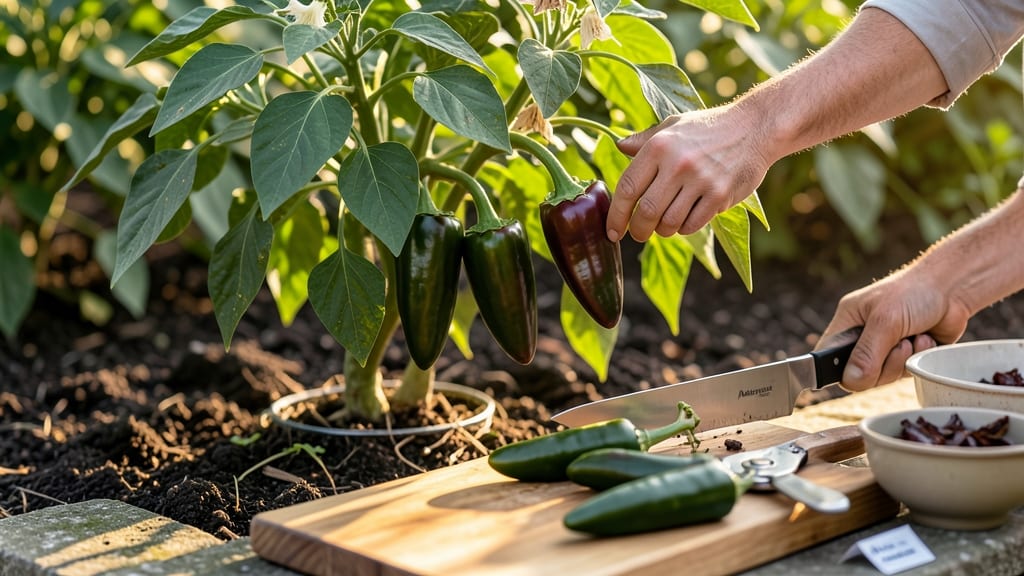
How to dry poblano peppers into ancho unlocks deep, smoky flavor that transforms ordinary dishes into restaurant-worthy meals—all from peppers you grew yourself. The process is simpler than you’d think, and it turns a summer glut into a pantry staple that lasts for months.
Start with fresh, firm poblanos—the riper they are, the more flavor they’ll develop. Roast them over an open flame or under the broiler until charred in spots, then peel off the skin while still warm.
From there, you’ve got three drying methods: oven, dehydrator, or traditional air-drying. Each takes about 30 minutes to 2 hours, depending on your setup.
The payoff? Ancho chiles with a rich, earthy sweetness that’s perfect for sauces, marinades, or even sprinkled over tacos. They keep for up to a year in a cool, dark place, so you’ll always have that homegrown depth on hand.
Plus, this technique works for other peppers too—think jalapeños or serranos—so you can expand your garden’s culinary potential.
Once you master this, try growing more peppers next season. The right varieties, like NuMex Big Jim or San Luis, thrive in gardens and deliver the best flavor for drying. It’s a small step that turns your harvest into something truly special—no cooking skills required.
📚 In This Guide
- What you need
- Instructions
- Tips and common mistakes
- Wrapping up and next steps
What you need
- ● Fresh poblano peppers – 6 to 8 medium-sized (about 1 lb total). Choose firm, unblemished peppers for the best results.
- ● Kitchen twine or parchment paper – For hanging or arranging peppers to dry.
- ● Oven or dehydrator – If using an oven, set it to 175°F (80°C) (low and slow is key!).
- ● Baking sheet or wire rack – For even airflow if drying in the oven.
- ● Knife and cutting board – To prep the peppers (a serrated knife works best for slicing).
- ○ Small bowl of water – For blanching (optional but recommended for easier peeling).
- ● Paper towels – To pat peppers dry after blanching.
- ● Air-tight container or resealable bag – For storage once dried.
- ● Dehydrator – Speeds up drying time and requires less monitoring.
- ● Smoking wood chips (e.g., hickory or applewood) – For an extra smoky flavor (use sparingly!).
- ● Food processor or blender – If you plan to grind dried ancho into powder.
- ● Label and marker – To date and label your dried peppers for freshness.
Step-by-step instructions for transforming poblanos into ancho peppers
Here's the method I've perfected over years of working with dried chiles—simple steps that preserve the poblano's signature smokiness while concentrating its flavor into versatile ancho powder.
Select and Prep the Poblanos
Choose mature but firm poblanos—they should feel heavy for their size with glossy skin, but avoid any with soft spots or wrinkles. I like to blanch them first: drop whole poblanos into boiling water for 90 seconds, then immediately transfer to an ice bath for 30 seconds. This loosens the skins for easier removal and preserves their vibrant color.
Once cooled, slip off the skins by making a small slit at the stem end, then gently peel away the outer layer. Remove seeds and membranes—they contain capsaicin, which can make your ancho bitter. Pat the cleaned poblanos dry with a kitchen towel. This prep ensures even drying and prevents mold.
Dry the Poblanos Using the Oven Method
Preheat your oven to 200°F—lower than you might think, but critical for even drying without burning. Arrange poblanos on a baking sheet lined with parchment paper, spacing them 1 inch apart so air circulates. Place the sheet on the middle rack where heat is most consistent.
Leave the oven door slightly ajar (2-3 inches) to allow moisture to escape. Dry for 2-3 hours, checking every 30 minutes. Poblanos are ready when they're completely dry and shriveled, with no moisture left when you gently squeeze them. If they darken too much, they'll lose sweetness—watch closely!
Cool and Store the Dried Anchos
Let the dried poblanos cool completely on a wire rack—this prevents condensation from forming in storage. Once cool, transfer them to an airtight container (glass jars work best). Store in a cool, dark place for up to 6 months, or freeze for longer shelf life. The longer they age, the deeper their smoky flavor develops.
For whole anchos, simply crush them lightly in a mortar and pestle or between two sheets of parchment paper when ready to use. For powder, pulse them in a spice grinder until fine. You'll know you've done it right when the aroma fills your kitchen—earthy, slightly sweet, with that unmistakable smoky depth.
Test for Perfection and Adjust
Taste one of your dried poblanos before storing. It should be intensely smoky with a mild heat—if it's too bitter, you may have left seeds or membranes behind. For extra depth, toast the dried peppers in a dry skillet over medium-low heat for 1-2 minutes before grinding. This enhances their caramelized notes.
If you're using them in recipes, start with 1/2 teaspoon of powder per serving—ancho builds flavor as it cooks. The key is patience; rushed drying leads to weak, bland anchos. Trust the process, and you'll have a pantry staple that transforms everything from moles to marinades.
Tips & tricks for perfectly dried poblano peppers
Transforming poblanos into ancho powder is an art that rewards patience—here's how to avoid common pitfalls and elevate your results.
Selection Matters: Choose poblanos that are firm with glossy skin and no soft spots. The 90-second blanch in Step 1 is non-negotiable—it loosens skins for easier removal while preserving that vibrant poblano color. I've ruined batches by skipping this step, so don't make my mistake: always blanch before peeling.
Temperature Control: The 200°F oven temperature might seem low, but it's crucial for even drying without burning. Position your baking sheet on the middle rack where heat circulates most consistently. If your oven runs hot, reduce to 190°F and extend drying time by 30 minutes. The goal is slow, gentle dehydration that preserves sweetness.
Drying Technique: Leave that oven door slightly ajar (2-3 inches) to create a chimney effect that pulls moisture out. Check every 30 minutes as instructed—poblanos are ready when completely shriveled with no moisture when squeezed. If they darken too much, they'll lose their sweet, smoky character. Trust your eyes more than the clock.
Storage Wisdom: The 6-month shelf life in cool, dark storage assumes proper drying. Any moisture left in the peppers will cause mold. For maximum flavor development, store in glass jars with minimal air space. Freezing extends shelf life indefinitely, but thaw completely before using to prevent condensation from forming during storage.
Pro Tips for Dry Poblano Peppers Into Ancho
- Transforming poblanos into ancho powder is an art that rewards patience—here's how to avoid common pitfalls and elevate your results.
- Selection Matters: Choose poblanos that are firm with glossy skin and no soft spots.
- Temperature Control: The 200°F oven temperature might seem low, but it's crucial for even drying without burning.
Frequently asked questions
Got questions about transforming poblanos into ancho peppers? You’re not alone! Here are answers to the most common queries—whether you're a first-timer or just looking to troubleshoot.
How long does it take to dry poblanos into ancho?
Drying time varies by method! In a 200°F (93°C) oven, it takes about 2–4 hours (flip halfway). For air-drying, plan for 3–7 days (depending on humidity). Dehydrators speed it up to 6–12 hours. Test for readiness by checking for wrinkled skin and a hollow stem.
Can I speed up the drying process?
Yes! Boost airflow by propping peppers stem-side down on a rack. For ovens, leave the door slightly ajar (if safe) to release moisture faster. A food dehydrator is the fastest method—just ensure even heat distribution. Avoid rushing; uneven drying can lead to mold.
What if my peppers turn black or moldy?
Blackened or fuzzy peppers mean over-drying or spoilage. If caught early, trim affected areas and resume drying. For mold, discard the batch—never eat discolored peppers. Prevent this by ensuring 100% dryness (no moisture left) and storing properly in a cool, dark place.
Can I use other peppers to make ancho?
Ancho is exclusively made from dried poblano peppers, but you can mimic the process with jalapeños, serranos, or even bell peppers for a milder result. Just note: flavor and texture will differ. For authenticity, stick with poblanos—their earthy, slightly sweet profile is key!
How do I store dried ancho peppers?
Store them in an airtight container (glass jars or vacuum-sealed bags) in a cool, dark place for up to 1 year. For longer shelf life, freeze them! Rehydrate in warm water or oil before using. Never refrigerate unless humidity is high in your kitchen.
Wrapping up and next steps
Drying poblano peppers into ancho is a rewarding process that unlocks a world of smoky, rich flavors for your kitchen! With just a few simple steps—roasting, drying, and storing—you’ll transform these vibrant peppers into a versatile ingredient for soups, sauces, and more.
The best part? Your homemade ancho peppers will taste far fresher and more vibrant than anything store-bought.
Now that you’re equipped with the know-how, why not put your skills to the test? Try experimenting with different drying methods or even blending your ancho into a homemade chili powder. Your taste buds—and your meals—will thank you! 🌶️✨