
Succulent
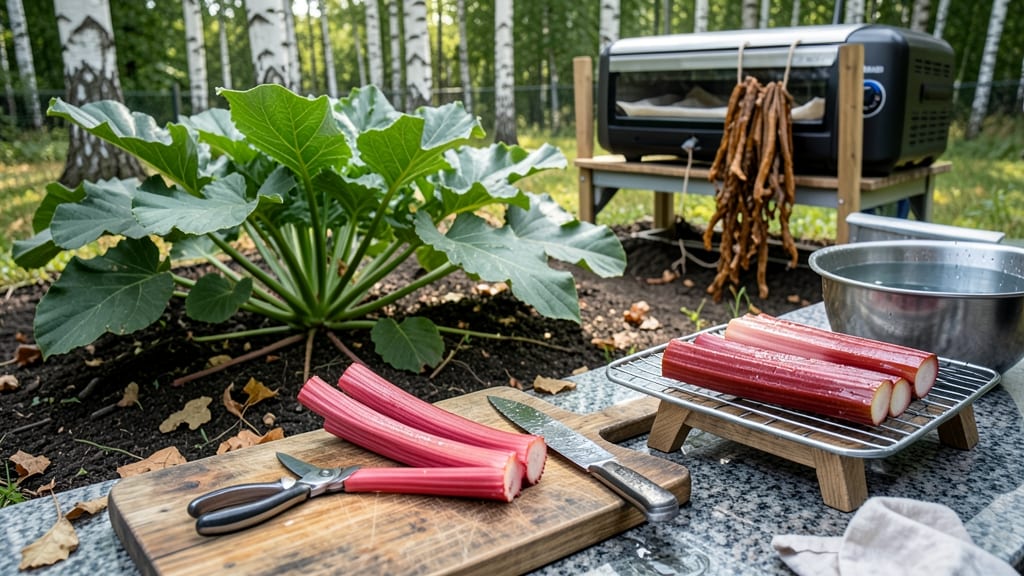
How to dry rhubarb turns your summer harvest into winter baking gold. ✨ The process locks in that perfect tart-sweet balance while making storage simple—no more worrying about soggy stems in the fridge by February. Start with fresh, firm stalks (discard leafy tops). Slice into ¼-inch thick pieces, then blanch for 2 minutes to soften and reduce oxalic acid. Spread single-layer on dehydrator trays or a baking sheet—crowding means uneven drying. You’ll end up with chewy, concentrated strips perfect for pies, compotes, or teas. The dried version keeps for 6-12 months in airtight containers, and the flavor intensifies over time. Just avoid overcrowding—it traps moisture and breeds mold. This method works for both fresh and slightly wilted rhubarb, making it forgiving for imperfect harvests. Pair it with your "when to harvest rhubarb" guide for the full growing-to-preserving cycle!
📚 In This Guide
- What you need
- Instructions
- Tips and common mistakes
- Wrapping up and next steps
What you need
- ● Fresh rhubarb stalks: Choose firm, vibrant stalks (avoid woody or slimy ones). Aim for 1-2 pounds (about 4-6 stalks) for a standard batch.
- ● Sharp knife or kitchen shears: Essential for clean cuts—avoid dull blades to prevent crushing.
- ● Cutting board: A sturdy, non-slip board (plastic or wood) to protect your countertops.
- ● Paper towels or clean kitchen cloth: For wiping away excess moisture before drying.
- ● Dehydrator: A food-grade dehydrator with adjustable temperature settings (or an oven with a low-heat setting).
- ● Drying trays or oven racks: Ensure they’re non-reactive (stainless steel, glass, or BPA-free plastic).
- ○ Parchment paper or silicone drying mats (optional but recommended): Prevents sticking and makes cleanup a breeze!
- ● Air-tight storage containers: Glass jars with lids or food-grade plastic bags with oxygen absorbers for long-term storage.
- ● Food dehydrator with fan: Speeds up drying and ensures even results.
- ● Vacuum sealer: Extends shelf life by removing air and moisture.
- ● Labeling supplies: Masking tape + marker to note drying dates.
- ● Citric acid or lemon juice (tiny splash): Preserves color and prevents browning (use sparingly!).
Step-by-step instructions for drying rhubarb
Here's my foolproof method for preserving rhubarb's signature tartness—no soggy batches or bland results.
🌱 Step 1: Harvest and Prep the Stalks
Pick rhubarb stalks when they're firm and vibrant, typically in late spring or early summer. Cut them into 1-inch pieces, removing any leafy tops and fibrous strings. I like to blanch them first—drop the pieces into boiling water for 2 minutes, then transfer to an ice bath for 5 minutes. This preserves color and texture while killing enzymes that cause browning.
Drain thoroughly and pat dry with a clean towel. The goal is to start with completely dry stalks—any moisture left will create steam during drying, leading to mold. Spread the pieces on a baking sheet lined with parchment paper, ensuring they don’t touch. Here’s the thing—if you skip blanching, the rhubarb will dry unevenly and may develop a bitter taste.
☀️ Step 2: Choose and Set Up Your Drying Method
You’ve got three reliable options: a food dehydrator, an oven, or air drying. For a dehydrator, set it to 135°F and arrange the rhubarb pieces on trays in a single layer. If using an oven, prop the door open 2 inches and bake at 170°F—this creates gentle airflow. For air drying, hang stalks in small bundles from a string in a warm, dark, well-ventilated space.
I prefer the dehydrator because it’s consistent, but the oven works in a pinch. Whichever method you choose, ensure the rhubarb stays undisturbed. You’ll know it’s ready when the pieces snap cleanly when bent—no flexibility left. This usually takes 6-8 hours in a dehydrator, 8-12 hours in an oven, or 2-3 weeks for air drying.
⏰ Step 3: Test for Doneness and Store Properly
Remove the rhubarb from the drying method and let it cool completely. Test for doneness by checking if the pieces are brittle and break with a crisp snap. If they still feel pliable, return them to the dehydrator or oven for 1-2 more hours. Over-drying turns rhubarb into brittle shards—underdrying leaves it chewy and prone to spoilage.
Once fully dried, store the rhubarb in an airtight container, like a glass jar with a tight-sealing lid. Keep it in a cool, dark place—it’ll last 6-12 months this way. Label the jar with the date so you can track freshness. Real talk: if you store it properly, the first jar will likely disappear long before it expires.
💧 Step 4: Rehydrate and Use in Recipes
To use dried rhubarb, rehydrate it by soaking in warm water for 15-30 minutes until pliable. The longer it soaks, the softer it becomes—adjust based on your recipe. I like to blend rehydrated rhubarb into sauces, compotes, or even smoothies for a concentrated tart flavor. You can also chop it finely and mix it into baked goods like muffins or pies.
Here’s a pro tip: dried rhubarb loses volume, so use about ⅓ the amount of fresh rhubarb in recipes. For example, if a recipe calls for 2 cups fresh rhubarb, use ⅔ cup dried. This ensures the right balance of tartness without overwhelming your dish. Store any unused rehydrated rhubarb in the fridge for up to 5 days.
Tips & tricks for perfect dried rhubarb
Common pitfalls—and how to sidestep every one when preserving rhubarb's bright, tangy essence.
Blanching is Non-Negotiable: That 2-minute boil followed by 5-minute ice bath isn't just about color—it's the enzyme-killing step that prevents bitter, uneven drying. I learned this the hard way after drying rhubarb that tasted like grass. The ice bath stops cooking instantly, preserving that vibrant pink hue while locking in freshness.
Temperature Matters: The dehydrator's 135°F setting is your sweet spot—any hotter and you risk burning the edges before the centers dry. For oven drying at 170°F, that cracked door creates crucial airflow, but don't prop it too wide or you'll lose too much heat. I use a wooden chopstick as a prop for precise control.
Storage Wisdom: The 6-12 month shelf life assumes complete dryness and airtight sealing. I double-check by pressing a piece—if it feels damp at all, return it to the dehydrator for another hour. For extra protection, add a silica gel packet to your storage container. The key is eliminating all moisture that could trigger mold.
Rehydration Hack: When using dried rhubarb in recipes, I soak it in warm water with a splash of lemon juice (1 tablespoon per cup of water). The acidity preserves color and prevents oxidation during the 15-30 minute soaking time. For sauces, I often blend the rehydrated rhubarb with a little sugar and water to create a concentrated tart syrup.
Pro Tips for Dry Rhubarb
- Common pitfalls—and how to sidestep every one when preserving rhubarb's bright, tangy essence.
- Blanching is Non-Negotiable: That 2-minute boil followed by 5-minute ice bath isn't just about color—it's the enzyme-killing step that prevents bitter, uneven drying.
- Temperature Matters: The dehydrator's 135°F setting is your sweet spot—any hotter and you risk burning the edges before the centers dry.
Frequently asked questions
Got questions about drying rhubarb? Here are answers to the most common ones!
Whether you're a first-timer or a seasoned preserver, these tips will help you master the process like a pro.
Can I dry rhubarb without a dehydrator?
If you don’t have a dehydrator, use your oven (set to 175°F/80°C) or even a sunny windowsill (if humidity is low). Preheat the oven for 10 minutes, then prop the rhubarb stalks open with toothpicks to speed drying. Check every 2–3 hours for crispness.
How long does dried rhubarb last?
Properly dried rhubarb keeps for up to 1 year in an airtight container (like a mason jar) stored in a cool, dark place. For extra shelf life, add a silica gel packet to absorb moisture. Once opened, use within 6 months for best flavor.
What can I do with dried rhubarb if it’s too tough?
If your rhubarb turns out leathery or rubbery, don’t toss it! Rehydrate it in warm water (1:3 ratio) for 10–15 minutes, then use it in compotes, sauces, or smoothies. It’s also great for infusing vinegar or liqueurs—just steep the dried pieces for 1–2 weeks.
Why is my dried rhubarb moldy?
Mold usually means moisture got trapped during drying or storage. To prevent this, ensure your rhubarb is completely dry before storing (it should snap, not bend). Store in glass containers with tight seals and avoid plastic, which can trap humidity.
Can I freeze rhubarb instead of drying it?
Yes! Freezing is another great option. Wash, trim, and chop the rhubarb, then spread it on a tray to freeze solid (prevents clumping). Transfer to a freezer bag for up to 8 months. Thaw in the fridge before using—perfect for pie fillings or jams when fresh rhubarb isn’t available!
Wrapping up and next steps
Drying rhubarb is your ticket to savoring its tangy-sweet flavor long after harvest season! With just a few simple steps—trimming, slicing, dehydrating, and storing—you’ll unlock a versatile ingredient for pies, compotes, and teas. Now’s the perfect time to stock up on dried rhubarb for winter baking adventures!
Ready to dive in? Grab your rhubarb, dehydrator, and a jar—then get started! 🌱✨ Revisit the materials list if you need a refresher before beginning!