
Pests
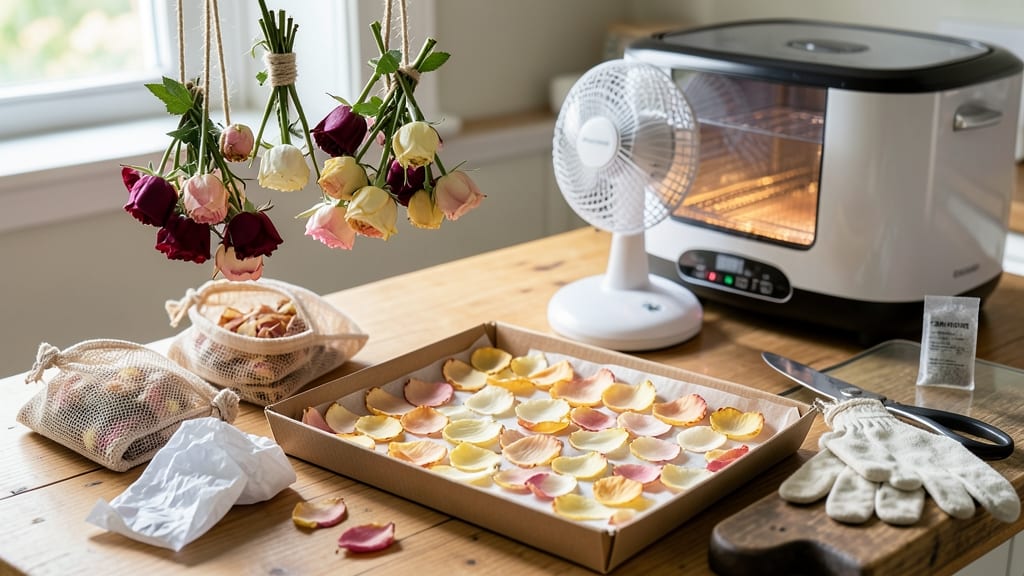
Your roses deserve to stay stunning long after they bloom—no faded brown petals here. ✨ How to dry roses to keep their color while preserving that fresh-cut garden look is the secret to lasting beauty.
The method you choose and how you handle them after picking make all the difference. I’ve dried hundreds of roses over the years, and I’ll share the exact techniques that keep their vibrant hues intact for years. Air drying, silica gel, or glycerin soaking—each method has its own tricks.
Air drying works best for bold colors like reds and pinks, while glycerin soaking adds a glossy finish and softens the petals. The key is speed and timing: too slow, and the color fades; too fast, and the petals crack.
I’ll walk you through each step, including how to prep your roses and when to stop the drying process. Once dried, your roses will look like they were just picked—rich, deep hues that stay true for decades.
The difference between a beautiful dried rose and a sad, faded one often comes down to handling them gently and storing them properly. A little care goes a long way in keeping that garden-fresh vibrancy. This works for any rose variety, from hybrid teas to old garden roses.
Whether you’re preserving a bouquet from your garden or a special occasion, these methods will keep those petals looking their best. Let’s get started!
📚 In This Guide
- What you need
- Instructions
- Tips and common mistakes
- Wrapping up and next steps
What you need
- ● Fresh roses – Choose fully bloomed roses with vibrant petals (avoid wilted or overly mature flowers). Quantity: 1–5 stems (depending on your project).
- ● Sharp pruning shears or scissors – Clean, sterilized tools to trim stems at a 45-degree angle (prevents air bubbles in drying solutions).
- ● Drying method of choice: Silica gel crystals – 2–4 cups (enough to fully submerge rose stems). Look for food-grade or floral-specific silica (e.g., Dry & Keep or Instant Silica Gel).
- ● OR Baking soda solution – 1 cup water + 2 tbsp baking soda (for a budget-friendly alternative).
- ● OR Air-drying setup – A dark, well-ventilated space (e.g., a closet with a fan or hanging wire rack).
- ● Newspaper or parchment paper – To line your drying container and absorb excess moisture.
- ● Small glass jar or container – For silica drying (e.g., a mason jar with a lid).
- ● Rubbing alcohol (70% isopropyl) – A small bottle (for sterilizing tools and stems).
- ● Spray bottle with water – To lightly mist roses before drying (if using air-drying).
- ● Food coloring or natural dyes – A few drops of vodka or glycerin (1 tsp) in your drying solution to enhance color retention.
- ● Glassine envelopes or shadow boxes – For long-term storage and display.
- ● Hairspray or clear acrylic sealer – To lock in color after drying (apply lightly!).
Step-by-Step instructions for preserving roses with vivid color
Drying roses isn’t just about saving blooms—it’s about capturing their natural beauty so they stay vibrant for years. Here’s the method I’ve used to preserve roses with their original color, petal by petal.
🌿 Step 1: Select and Prepare the Roses
Pick roses at their peak—when petals are fully open but not wilting. Cut stems at a 45-degree angle to maximize water absorption. Remove any leaves or thorns that might touch the drying surface, as they can trap moisture and cause mildew. I like to work with roses that still have a slight dew on them in the morning—they hold their color best.
For the deepest color retention, choose blooms that were grown in full sun. Shade-grown roses often fade faster during drying. If your roses are already cut, place them in a vase with lukewarm water for 1-2 hours before drying to rehydrate them slightly. This step makes all the difference in keeping petals lush and vibrant.
💧 Step 2: Choose Your Drying Method
There are two foolproof methods for drying roses while keeping their color: air drying with silica gel or hanging upside-down in a dark, dry space. I prefer silica gel for roses because it preserves petals faster and locks in color better than air drying alone. Start by gently separating the petals from the center, leaving the base intact—this helps them dry evenly.
For silica gel drying, place the roses in a single layer inside a container filled with dried silica beads (available at craft stores). Cover the roses completely, leaving just the stems exposed. If you’re air drying, tie the stems together with twine and hang them upside down in a cool, dark place like a closet or pantry. Check them every 3-5 days—they’re ready when petals are crisp to the touch but still flexible.
⏰ Step 3: Monitor and Finish Drying
Drying time varies by rose type, but most take 2-4 weeks to fully dry. If you’re using silica gel, remove the roses after 7-10 days and let them sit in a dry, well-ventilated area for another week to ensure all moisture is gone. For air-dried roses, they’ll be ready when the petals no longer feel damp when touched.
Here’s the thing—don’t rush it. If petals feel sticky or bend easily, they need more time. Over-drying can make them brittle, but under-drying leads to mold. I test by gently pressing a petal: if it stays in place without crumbling, it’s ready. Once fully dry, brush off any remaining silica dust or debris with a soft-bristle brush.
☀️ Step 4: Preserve and Display
To keep roses vibrant for years, store them in an airtight container with a silica gel packet to absorb any lingering moisture. I like to use small glass jars or shadow boxes lined with acid-free tissue paper. Avoid plastic containers—they trap moisture and cause fading over time.
When it’s time to display, handle petals gently to avoid breaking them. Arrange them in a way that mimics their natural bloom, and place them in a spot with indirect light to prevent color fading. With proper care, these dried roses will stay as vivid as the day you picked them—for decades, if you’re lucky.
Tips & tricks for preserving roses with their original color
Took me years to perfect these tricks—now you can skip the trial-and-error and get roses that look fresh even after drying.
Selection is Everything: The 1-2 hour lukewarm water soak in Step 1 isn't just about hydration—it's about reviving roses that might have wilted during transport. I always test the water temperature first (it should feel warm to your wrist, not hot). This step prevents petals from becoming leathery during drying, which is especially important for darker rose varieties that fade faster when dehydrated.
Silica Gel Secrets: When using silica gel in Step 2, don't just dump the roses in—arrange them with petals facing outward. This creates a more dramatic display later and prevents petals from sticking together. I like to use a shallow tray with about 2 inches of silica beads, just enough to fully submerge the blooms without compressing them. Pro tip: Wear gloves when handling silica—it can dry out your skin if you're not careful.
Don't Skip the Petal Test: The gentle petal press test in Step 3 is your best friend. If a petal stays in place but doesn't crumble when pressed, you're golden. I've ruined batches by removing roses too early—petals that feel slightly springy but not sticky are perfect. For extra insurance, let silica-dried roses sit in a well-ventilated area for that extra week mentioned in the instructions. The slow dry prevents any hidden moisture that could cause mold later.
Storage Wisdom: That airtight container in Step 4 needs to be truly airtight—even a tiny gap can cause condensation. I've had great success with small glass apothecary jars with silicone seals. And here's what nobody tells you: place a second silica gel packet inside the container with your dried roses, not just on the lid. This creates a moisture-free environment that keeps colors vibrant for years. Just remember to replace the packet every 6-12 months.
Pro Tips for Dry Roses To Keep Their Color
- Took me years to perfect these tricks—now you can skip the trial-and-error and get roses that look fresh even after drying.
- Selection is Everything: The 1-2 hour lukewarm water soak in Step 1 isn't just about hydration—it's about reviving roses that might have wilted during transport.
- Silica Gel Secrets: When using silica gel in Step 2, don't just dump the roses in—arrange them with petals facing outward.
Frequently asked questions
Got questions about preserving your roses’ stunning colors? You’re not alone! Here are answers to the most common concerns—so you can dry your blooms like a pro.
How long does it take to dry roses while keeping their color?
Most roses take 2–4 weeks to dry fully, depending on the method. Air-drying (hanging upside down) is the slowest but gentlest for color retention. Microwave or silica gel methods speed it up to 24–48 hours, but monitor closely to avoid fading or wilting.
Can I speed up the drying process without ruining the petals?
Yes! For faster results, try a dehydrator (120–140°F for 4–6 hours) or silica gel (bury stems for 24–48 hours). Avoid high heat—it can bleach colors. If using a microwave, opt for 10-second bursts on low power with breaks to prevent overheating.
Why do my dried roses turn brown or lose color?
Color loss usually happens from moisture, sunlight, or oxidation. To prevent it:
- Store dried roses in a cool, dark place (like a sealed box with silica packets).
- Avoid direct sunlight—UV rays fade pigments over time.
- Use white vinegar (1 tbsp per quart of water) in your drying solution to slow discoloration.
What’s the best way to preserve dried roses long-term?
For lasting vibrancy, seal them in airtight containers with silica gel or baking soda to absorb moisture. Avoid plastic bags—they trap humidity. If using frames or shadow boxes, add a breathable fabric liner to prevent mold. Revisit every 6 months to check for pests or dampness.
Can I dry roses picked from my garden, or do I need special flowers?
Garden roses work great—just choose fully bloomed, healthy flowers with minimal insects or disease. Avoid roses treated with chemical sprays (like pesticides) before drying. Organic or homegrown roses are ideal for the most natural, long-lasting color.
Wrapping up and next steps
Drying roses while preserving their vibrant color is simpler than you think! By choosing the right method—whether air-drying, silica gel, or microwave—you can turn your fresh blooms into lasting keepsakes.
Remember, patience and proper prep are key: trim stems, remove excess moisture, and handle petals gently to lock in that gorgeous hue.
Now that you’re ready to preserve those petals, give it a try! Start with a single bouquet, experiment with techniques, and soon you’ll have a collection of stunning, long-lasting roses. Happy drying—and enjoy your colorful memories for years to come! 🌸✨