
Companion Plants
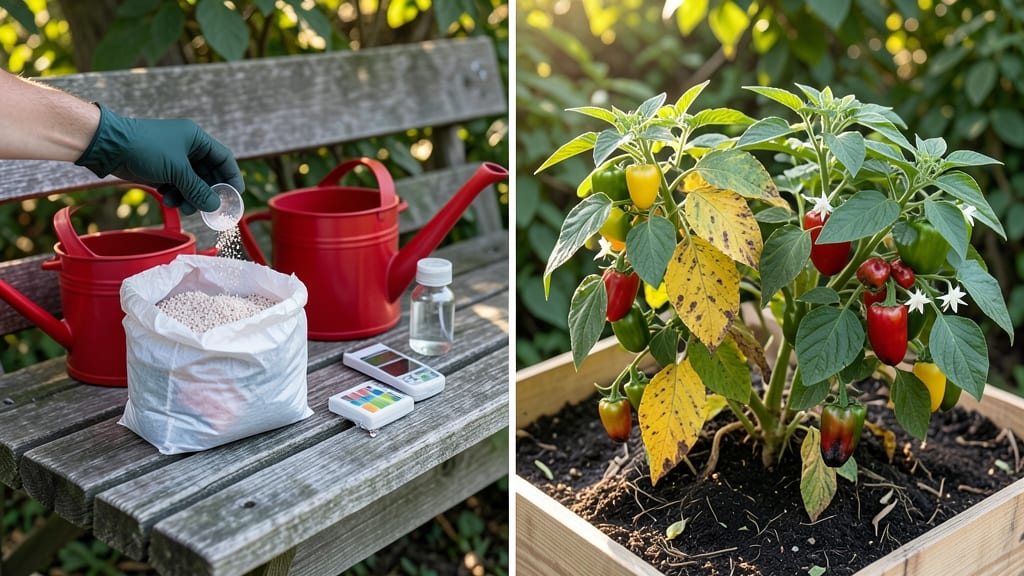
Your pepper plants' curled leaves and stunted growth scream one thing: how to fix a calcium deficiency in pepper plants—and the solution is simpler than you think. 🌱 I've seen firsthand how blossom-end rot and weak stems can turn a thriving garden into a disappointment—but there's a straightforward fix using what you likely already have at home.
The problem starts with uneven calcium levels—too much water, not enough organic matter, or soil that's too acidic. My peppers went from lush to limp until I added crushed eggshells and adjusted my watering. The key is balancing soil pH and calcium delivery without overwhelming the plants.
By the end of this, you'll have peppers with strong stems, no more curled leaves, and a foolproof method to prevent future deficiencies. The best part? You'll use Epsom salt, lime, and kitchen scraps—no fancy fertilizers needed.
Works for bell peppers, jalapeños, and even your heirloom varieties. Let's get those plants back on track with a few easy steps that make a world of difference in just weeks.
Root Causes Of Calcium Shortfalls
Calcium deficiency in pepper plants isn’t just a random hiccup—it’s usually a sign that something fundamental is off in their growing environment. Understanding the why behind these deficiencies helps you address the problem at its source, not just slap on a quick fix.
Let’s break down the most common culprits and why they starve your peppers of the calcium they need to thrive.
---
Calcium is most available to plants when soil pH hovers between 6.0 and 7.0. If your soil is too acidic (below 6.0) or alkaline (above 7.5), your peppers can’t absorb calcium efficiently—even if it’s present in the soil.
- Acidic soil (low pH): Excess hydrogen ions compete with calcium ions for uptake, locking calcium out of the plant’s reach. - Alkaline soil (high pH): Calcium binds tightly to soil particles, forming insoluble compounds that peppers can’t access. - Compacted or clay-heavy soil: Poor drainage and poor aeration restrict root growth, limiting the plant’s ability to forage for nutrients.
💡 Pro Tip: Test your soil’s pH before blaming calcium deficiency. A simple soil test kit (available at garden centers) can reveal whether pH adjustment is your first step.
---
Calcium moves through the plant via the transpiration stream—the water column that travels from roots to leaves. If water management is off, calcium gets washed away or can’t keep up with the plant’s needs.
- Overwatering or heavy rainfall: Excess water flushes calcium out of the root zone before the plant can absorb it. This is especially true in sandy or peaty soils, which drain quickly. - Inconsistent watering: Pepper plants thrive on consistent moisture.
Sudden dry spells followed by heavy watering create nutrient imbalances, as calcium is less mobile in the plant compared to other nutrients like nitrogen or potassium. - Hard water vs. soft water: While hard water (high in calcium and magnesium) is ideal, soft or distilled water lacks these minerals, exacerbating deficiencies over time.
🔥 Warning: If you’re using tap water, check its hardness. If it’s soft, consider adding a calcium supplement (like gypsum) to your watering routine.
---
Calcium uptake is a temperature-sensitive process. Extreme heat or cold can disrupt the plant’s ability to absorb and transport calcium efficiently.
- High temperatures (above 90°F/32°C): Increase transpiration rates, but calcium movement slows down, leading to blossom-end rot (a classic calcium deficiency symptom in peppers). - Cold soil: Roots struggle to absorb nutrients when soil temps drop below 50°F (10°C), even if the air is warm. - Salt buildup: Over-fertilization or poor-quality water can cause osmotic stress, where roots “shut down” to conserve water—and nutrients—during drought-like conditions.
✨ Solution: Mulch your pepper plants to regulate soil temperature, and avoid fertilizing during heatwaves. If you’re growing in containers, move pots to a shadier spot during peak afternoon sun.
---
Calcium isn’t the only nutrient vying for your pepper’s attention. If other nutrients are in excess, they can outcompete calcium for uptake.
- High potassium (K) or magnesium (Mg): These cations can displace calcium in the soil, making it unavailable.
This is common in heavily fertilized soils or when using potassium-rich composts. - Nitrogen overload: While nitrogen fuels leafy growth, too much can dilute calcium in the plant’s system, leading to deficiency symptoms even if calcium is present. - Phosphorus lockout: High phosphorus levels can bind calcium in the soil, preventing roots from accessing it.
📊 Quick Fix: Balance your fertilizers with a low-nitrogen, high-calcium blend (like calcium nitrate) and avoid overapplying potassium.
--- If pepper roots are injured, diseased, or stunted, they can’t absorb calcium—or any other nutrient—effectively.
- Root rot (from overwatering or fungal infections): Damaged roots lose their ability to uptake calcium, leading to systemic deficiencies. - Compacted soil: Restricted roots can’t explore enough soil volume to find calcium, even if it’s nearby. - Transplant shock: Newly transplanted peppers often experience temporary root stress, making them vulnerable to calcium shortages until roots establish.
👨🍳 Action Step: If your peppers are in containers, loosen roots gently when repotting to encourage new growth. For in-ground plants, aerate the soil with a fork to improve root access.
--- Believe it or not, what you plant nearby can affect your peppers’ calcium levels.
- High-calcium competitors: Plants like tomatoes, eggplants, and citrus are also heavy calcium users.
If they’re nearby, they may deplete soil calcium faster than your peppers can replenish it. - Weeds with deep roots: Some weeds (like quackgrass) extract calcium from deep soil layers, leaving shallow-rooted peppers high and dry.
🎯 Strategy: Rotate crops annually and mulch heavily to suppress weeds that compete for calcium.
--- Some garden treatments can indirectly cause calcium deficiencies:
- Excessive salt-based fertilizers: Can burn roots and reduce calcium absorption. - Peat moss overuse: While great for acid-loving plants, peat binds calcium tightly, making it unavailable. - Synthetic fungicides: Some can disrupt root microbiomes, which play a role in nutrient uptake.
💡 Fix: Switch to organic amendments like compost, worm castings, or biochar to improve soil structure and calcium availability.
--- Calcium deficiency in peppers is rarely just one thing. It’s usually a mix of pH issues, water mismanagement, nutrient competition, or root problems. The good news?
Once you identify the root cause(s), fixing it is often as simple as adjusting pH, improving watering habits, or feeding a targeted calcium boost.
Next up: How to Diagnose whether your peppers are truly calcium-deficient—and what to do about it. 🚀
Quick Fixes for Calcium-Hungry Peppers
Now that you know the root causes of calcium deficiency in your pepper plants—whether it’s poor soil, overwatering, or nutrient imbalance—it’s time to take action! The good news? Most fixes are simple, cost-effective, and can turn your struggling plants around in weeks.
Below, we’ll break down practical solutions tailored to the most common causes, plus prevention tips to keep your peppers thriving long-term.
---
If your soil lacks calcium or has poor drainage, your peppers will suffer. Here’s how to correct it:
#### 🔥 Boost Calcium with Organic Amendments Calcium isn’t just about adding fertilizer—it’s about improving soil structure so roots can absorb it. Try these: - Crushed eggshells: Rinse and dry eggshells, then grind them into a fine powder.
Sprinkle 1–2 tablespoons around the base of each plant and lightly water in. Why? Eggshells are 95% calcium carbonate, a slow-release source. - Bone meal: Mix 1–2 tablespoons per plant into the top 2 inches of soil. Caution: Use sparingly—it’s high in phosphorus, which can throw off nitrogen balance. - Gypsum (calcium sulfate): A soil conditioner that adds calcium without altering pH. Work 1–2 cups per 100 sq ft into the topsoil before planting or transplanting.
#### 🍳 Adjust pH for Better Absorption Peppers thrive in slightly acidic to neutral soil (pH 6.0–7.0). If your soil is too alkaline (high pH), calcium becomes locked away.
Test your soil with a home pH kit ($10–$15) and: - Lower pH (if >7.0): Add sulfur or peat moss to the soil. - Raise pH (if <6.0): Mix in lime (but avoid overdoing it—peppers dislike overly basic soil).
Pro Tip: 💡 Avoid dolomitic lime—it adds magnesium, which can compete with calcium uptake. Stick to calcitic lime for pure calcium.
---
Too much water (or poor drainage) leads to calcium leaching and root suffocation. Here’s how to fix it:
#### 👨🍳 Improve Drainage Fast - Raise beds or containers: If planting in ground soil, create mounds or use raised beds to prevent waterlogging. - Add perlite or sand: Mix 20–30% coarse perlite or builder’s sand into heavy clay soil to improve aeration. - Use containers with drainage holes: If growing in pots, ensure they have 4+ drainage holes and elevate them on saucers.
#### 🥘 Water Smarter, Not Harder - Water deeply but infrequently: Peppers hate soggy roots.
Aim for 1–1.5 inches of water per week (including rain), delivered in deep soakings (2–3 times per week) rather than daily light sprinkles. - Water at the base: Avoid wetting leaves to prevent calcium-leaching runoff and fungal diseases like blight. - Mulch to retain moisture: Apply 2–3 inches of straw or wood chips around plants to keep soil evenly moist without overwatering.
Pro Tip: 🌡️ Check soil moisture before watering—stick your finger 1–2 inches into the soil. If it’s damp, wait. If it’s dry, water thoroughly.
---
Calcium deficiency often stems from imbalanced nutrients, especially magnesium or potassium competition. Rebalance with:
#### ✨ Calcium-Specific Fertilizers - Epsom salt (magnesium sulfate): While not calcium-rich, it reduces magnesium competition. Mix 1 tablespoon per gallon of water and apply as a foliar spray or soil drench every 2 weeks. - Calcium nitrate: A fast-acting fertilizer (5–10% calcium).
Use ½ teaspoon per gallon of water every 3–4 weeks. - Worm castings: A gentle, nutrient-rich amendment that improves soil structure and provides slow-release calcium.
#### 🍎 Avoid Over-Fertilizing with Nitrogen Too much nitrogen (from blood meal, fish emulsion, or synthetic fertilizers) starves roots of calcium. If your peppers are leafy but fruity, cut back on nitrogen and switch to a balanced (10-10-10) or low-nitrogen (5-5-5) fertilizer.
Pro Tip: 🎯 Foliar sprays work fast for calcium deficiency. Mix 1 teaspoon of calcium chloride or calcium nitrate in 1 gallon of water and spray leaves early in the morning (avoid evenings to prevent fungal growth).
---
Once your peppers recover, keep them healthy with these low-effort habits:
1. Rotate crops: Avoid planting peppers (or other heavy calcium-users like tomatoes) in the same spot yearly. Calcium-depleted soil takes time to recover. 2. Test soil annually: Use a home test kit or send a sample to your local Cooperative Extension Service for a full nutrient analysis.
3. Companion plants help: Grow marigolds, nasturtiums, or borage nearby—they improve soil health and deter pests that stress plants. 4. Harvest regularly: Overloaded plants (with too many peppers) compete for calcium. Pick peppers when they’re half-sized to encourage even nutrient distribution.
5. Use compost tea: A liquid compost tea (brewed from well-aged compost) provides microbes that help roots absorb calcium more efficiently.
--- Final Note: Most calcium deficiency symptoms improve within 7–14 days of treatment if caught early. For severe cases (blossom-end rot, stunted growth), combine soil amendments + foliar sprays for the fastest results. Your peppers will be back to producing juicy, crack-free pods in no time! 🌶️💚
Frequently asked questions
Why do my pepper plants get blossom-end rot even when I use fertilizer?
Blossom-end rot is the classic sign of calcium deficiency, but it's not always about fertilizer. The issue often stems from inconsistent watering or poor calcium availability in the soil. Even with fertilizer, if your soil is too acidic or alkaline, or if you're using soft water, the plant can't absorb enough calcium. Try adding crushed eggshells or gypsum to improve calcium levels.
Can I use Epsom salt to fix calcium deficiency?
While Epsom salt contains magnesium (not calcium), it can help reduce magnesium competition for calcium uptake. For actual calcium, mix 1 teaspoon of calcium nitrate or calcium chloride in 1 gallon of water and use as a foliar spray. Apply in the morning to avoid fungal issues. For soil, use organic sources like crushed eggshells or bone meal.
How often should I apply calcium supplements?
For organic amendments like eggshells or bone meal, apply every 4-6 weeks during the growing season. For foliar sprays (calcium nitrate), use every 2 weeks until symptoms improve. Overapplying calcium can cause nutrient imbalances, so monitor your plants and adjust as needed. Test soil pH annually to ensure optimal calcium absorption.
Will lime fix calcium deficiency in my pepper plants?
Lime helps raise soil pH, which can improve calcium availability, but it's not a direct calcium source. For best results, use calcitic lime (not dolomitic) to avoid adding magnesium that competes with calcium. Combine lime with a calcium supplement like gypsum or crushed eggshells for faster results. Always test soil pH first—peppers prefer 6.0-7.0.
Can I reuse water from steamed vegetables to help with calcium deficiency?
The water from steamed veggies contains leftover calcium and minerals. Let it cool, then use it to water your pepper plants. For even better results, add 1 teaspoon of calcium nitrate per gallon to boost calcium levels. This is a great way to reduce food waste while helping your plants!