
Planting
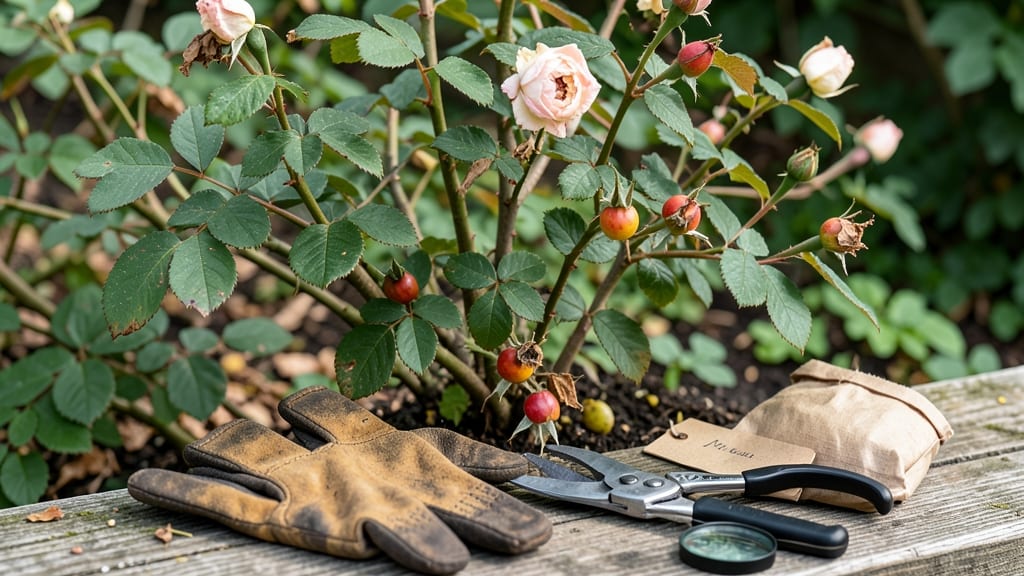
How to get rose seeds from a rose plant—those bright red rose hips hiding in your shrubs hold the secret to free roses next year. 🌱 I’ve collected seeds from my own garden for three seasons, and the process is simpler than you’d think—no fancy tools or botanical degrees required. The key is patience: wait until hips turn deep red or orange (fall through winter), then crack them open to find the tiny seeds inside. Wild roses and heirlooms produce the most reliable seeds, while hybrid teas often don’t breed true—but that’s not a dealbreaker if you’re experimenting. Once you’ve cleaned and dried them properly, you’ll have seeds ready for spring planting. The payoff? A handful of seeds could grow into roses that outperform store-bought plants, with better disease resistance and local climate adaptation. This method works for gardeners in any zone—just adjust your timing to match your local frost dates. Let’s turn those hips into next year’s blooms!
📚 In This Guide
- What you need
- Instructions
- Tips and common mistakes
- Wrapping up and next steps
What you need
- ● Mature rose plant – Choose a healthy, disease-free rose with hip (the seed pod) formation. Hybrid teas and floribundas are great choices!
- ● Sharp pruning shears or scissors – For cleanly harvesting hips (sterilize with rubbing alcohol first).
- ● Paper bags or breathable mesh sacks – At least 3-5 (one per rose variety if possible) to collect and dry hips.
- ● Tray or flat surface – For drying seeds (use a well-ventilated area).
- ● Small bowl or container – For separating seeds from pulp after drying.
- ● Paper towels or coffee filters – To clean seeds gently.
- ● Small plastic bags or envelopes – For storing seeds (label with the rose variety and date!).
- ● Permanent marker or labels – To track seed varieties.
- ○ Optional: Seed-starting mix – If you plan to germinate seeds immediately.
- ● Hair dryer (low heat) – To speed up drying if your climate is humid.
- ● Fine-mesh strainer – For rinsing seeds if pulp is stubborn.
- ● Spray bottle with water – To moisten seeds for stratification (if needed).
- ● Refrigerator or cool, dark space – For cold stratification (if your seeds need it).
- ● Seedling trays or pots – For sowing fresh seeds.
Tips & tricks for perfect rose seed collection
These simple strategies will help you maximize your success when harvesting rose seeds from your garden.
Timing is Everything: Don't rush the hip selection—wait until they're fully ripe in late fall or early winter. The color shift from green to bright red, orange, or deep purple is your signal. I've learned the hard way that green hips won't produce viable seeds, so patience here pays off later when your seedlings sprout.
Cleaning Technique: When rinsing seeds in lukewarm water during Step 2, don't use cold water—it can shock the delicate seeds. After rinsing, spread them on a paper towel in a single layer. If you pile them, they'll trap moisture and mold before they dry. The 3-5 day drying period is crucial—don't cut it short, even if you're eager to plant!
Stratification Secrets: For Step 3, use a container with drainage holes if possible to prevent soggy seeds during the 4-6 week refrigeration. I like to use a plastic bag with a few holes poked in it—it keeps things simple. Check your seeds weekly by squeezing the mix—it should feel like a damp sponge, not a dripping rag. This moisture balance is key for breaking dormancy.
Garden Prep: Before transplanting your 4-6 inch seedlings in Step 4, amend your soil with compost to give them a nutrient boost. Roses grown from seed are tough but benefit from rich soil. I also recommend planting in late spring when temperatures consistently stay above 65°F—this prevents transplant shock in cooler climates.
Pro Tips for Get Rose Seeds From Rose Plant
- These simple strategies will help you maximize your success when harvesting rose seeds from your garden.
- Timing is Everything: Don't rush the hip selection—wait until they're fully ripe in late fall or early winter. The co...
- Cleaning Technique: When rinsing seeds in lukewarm water during Step 2, don't use cold water—it can shock the delicat...
Frequently asked questions
about harvesting rose seeds can save you time and frustration. Here are answers to the most common queries:1. How long does it take for rose hips to ripen after flowering?
Rose hips typically take 45–60 days to fully ripen after the flower blooms, depending on the rose variety and climate. In cooler regions, this may extend to 8–10 weeks. Watch for color changes—hips turn from green to deep red, orange, or yellow when ready for harvest. Patience is key!
2. Can I harvest rose seeds from hybrid roses (like Knock Out or Floribunda)?
While you can extract seeds from hybrid roses, the resulting plants won’t be true to the parent variety. Hybrid roses are bred for specific traits (color, fragrance, disease resistance), so seedlings may vary wildly. For consistent results, save seeds from heirloom or old garden roses instead!
3. What do I do if my rose hips turn brown and mushy before ripening?
Mushy hips usually signal rot or fungal disease, often caused by excess moisture or poor air circulation. To prevent this:
- Harvest hips before they soften.
- Choose healthy, disease-free hips.
- Store them in a cool, dry place (like a paper bag) to slow spoilage.
4. Do I need to stratify rose seeds, or can I plant them right away?
Yes! Rose seeds require stratification to break dormancy. After extracting seeds, mix them with moist sand or peat moss and refrigerate for 4–8 weeks (or plant them outdoors in fall for natural cold treatment). Skipping stratification may result in slow or no germination.
5. How long does it take for rose seeds to germinate after planting?
Germination can take 2–6 weeks (or longer) under ideal conditions. Keep soil consistently moist (not soggy) and maintain temperatures around 65–75°F (18–24°C). Some seeds may sprout unevenly—don’t be discouraged! Patience pays off as seedlings emerge.
Wrapping up and next steps
Growing roses from seeds is a rewarding journey that connects you to nature’s cycle—and you’ve got all the know-how now! 🌱 With patience and care, those tiny seeds can bloom into stunning roses next season.
Start small: pick one or two roses you love, collect their seeds, and let the magic unfold in your garden.
Ready to take the next step? Plant those seeds today! Whether you’re a seasoned gardener or a beginner, every seed sown is a step toward a flourishing future. Happy growing! 🌸