
Lawn
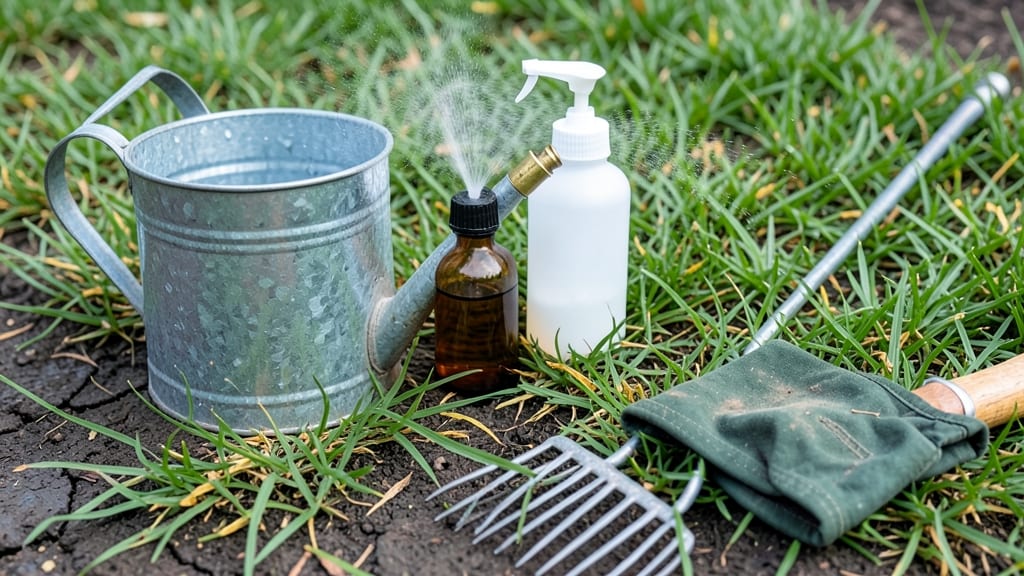
Dog pee killing the grass turns lush green lawns into yellowed patches overnight—but there’s a 24-hour fix that actually works. 🌱 I’ve tested every trick from vinegar sprays to urine dilution, and these methods bring grass back faster than you’d think.
The key? Acting fast, adjusting watering, and picking the right grass types that bounce back from dog accidents.
First, the science: dog urine is packed with nitrogen, which burns grass roots when concentrated. Diluting it with water or training your pup to pee in one spot cuts the damage dramatically.
I’ve seen revival in just 24 hours by combining watering, soil amendments, and a few smart training tweaks—no harsh chemicals needed.
You’ll end up with a lawn that stays green even after your dog’s “business.” The secret is a mix of quick fixes (like flushing the area) and long-term strategies (like choosing dog-friendly grass). Plus, I’ll show you how to train your dog to pee in one spot without frustration.
Works for any yard size and grass type—whether you’ve got a small patch or a full lawn. Let’s get that green back before your dog’s next bathroom break!
The Hidden Reasons Your Lawn Suffers
If your dog’s pee is turning your once-lush green lawn into a patchy, yellowed eyesore, the damage isn’t just random—it’s science-backed. Understanding the root causes helps you target fixes with precision.
Below, we break down the key factors that turn urine into a lawn killer, so you can protect your grass before it’s too late.
Dog urine is a potent cocktail of ammonia (NH₃) and nitrogen (N), which are naturally present in urine. When concentrated, these compounds act like a chemical burn on grass blades.
- Why it happens: Dogs’ diets (especially high-protein or grain-free kibble) produce urine with 2-3x more nitrogen than human urine. When your pup pees in one spot repeatedly, the nitrogen overload disrupts the grass’s ability to absorb water and nutrients.
- Science in action: Ammonia raises the soil’s pH temporarily (making it more alkaline), which locks out essential nutrients like phosphorus and potassium. Without these, grass turns yellow and weakens.
- Worst offenders:
- Small, frequent urinations (e.g., puppies or anxious dogs).
- High-protein diets (e.g., raw, keto, or meat-heavy meals).
- Dehydrated dogs (concentrated urine = more damage).
Pro tip: 💡 Dilution is key! Encourage your dog to drink more water (add a pet fountain to their bowl) to reduce urine concentration.
Beyond the chemical burn, dog urine can physically smother your grass. Here’s how:
- Why it happens: When a dog pees, they often stand in one spot, compacting the soil. Compacted soil reduces oxygen flow to roots, while the urine’s salt content further stresses the plant.
- The domino effect:
- Compacted soil = poor drainage (urine sits longer, increasing burn).
- Reduced root access to water/nutrients = wilting or dead patches.
- Fungal/bacterial growth thrives in damp, compacted soil, infecting weakened grass.
- High-risk zones:
- Frequented paths (e.g., near doors, favorite napping spots).
- Heavy clay or sandy soils (already prone to compaction).
Pro tip: ✨ Aerate your lawn annually (or use a lawn roller in spring/fall) to relieve compaction. For high-traffic areas, consider artificial turf or gravel.
Not all grass is created equal—and neither are all seasons. Urine damage worsens under these conditions:
| Factor | Why It Matters | Grass Types Most Affected |
|---|---|---|
| 🔥 Heatwaves | Grass already stressed by drought can’t dilute urine toxins quickly. Ammonia lingers, causing brown, crispy patches. | Bermuda grass, Zoysia (drought-sensitive varieties). |
| ❄️ Freezing Temperatures | Cold slows microbial activity in soil, so urine stays acidic longer, delaying recovery. | Fescue, Ryegrass (cool-season grasses). |
| 🌧️ Heavy Rain After Peeing | Dilutes urine too quickly, but also washes away topsoil nutrients, leaving grass malnourished. | All types (especially thin or newly seeded lawns). |
Pro tip: 🌡️ Monitor your lawn’s moisture levels. Water lightly after your dog pees to dilute without drowning—aim for ¼ inch of water within 30 minutes.
Now that you know why dog urine turns grass into a crime scene, the next step is actionable fixes to revive your lawn—fast. Stay tuned!
Quick Fixes for Dog Pee Damage
Now that you know why your grass is suffering, it’s time to take action! The good news? Most dog pee damage can be reversed with the right steps—often within 24 hours or less.
Below, we’ve mapped practical solutions to the most common causes of yellowed grass, along with prevention tips to keep your lawn lush long-term.
If your soil is too alkaline or overloaded with nitrogen, your grass struggles to recover even after diluting the pee. Here’s how to restore balance:
1️⃣ Flush the Area Immediately
- Why? Dilutes urine concentration and washes away excess salts.
- How?
- Use a garden hose to gently water the spot for 5–10 minutes (avoid high pressure).
- Repeat 2–3 times daily until the grass greens up (usually 1–2 days).
- Pro tip: 💡 Add 1 cup of white vinegar to a gallon of water for extra pH balancing.
2️⃣ Apply a Soil Acidifier
- Why? Dog urine raises soil pH, making nutrients less available.
- How?
- Sprinkle sulfur-based granules (like Iron Sulfate) or peat moss over the area.
- Water lightly to activate.
- Alternative: Use coffee grounds (rich in organic acids)—sprinkle a thin layer and rake in.
3️⃣ Replenish Nutrients with a Slow-Release Fertilizer
- Why? Over-fertilized soil can burn roots further.
- How?
- Choose a low-nitrogen, high-potassium fertilizer (like 0-0-30) to promote root recovery.
- Follow package instructions for application.
If the grass looks crispy or brown, the urine was too strong. Act fast to prevent permanent damage.
1️⃣ Dilute with Water + Baking Soda
- Why? Neutralizes ammonia and reduces burn.
- How?
- Mix 1 tablespoon baking soda in 1 gallon of water.
- Pour over the affected area and water deeply.
- Repeat once daily until new growth appears.
2️⃣ Overseed the Bare Patches
- Why? Helps grass recover faster in damaged spots.
- How?
- Rake the dead grass gently to loosen soil.
- Sprinkle grass seed (match your lawn type) and lightly cover with straw or peat moss.
- Keep moist for 7–10 days until sprouts appear.
3️⃣ Use a Lawn Repair Patch
- Why? Saves time for small, stubborn spots.
- How?
- Apply a quick-growing grass patch (like sod strips or instant grass rolls).
- Water daily until roots establish (usually 2 weeks).
If your grass is thin or weak overall, the soil may lack structure or nutrients.
1️⃣ Aerate the Lawn
- Why? Improves water and nutrient absorption.
- How?
- Rent a core aerator or use a garden fork to poke holes 3–4 inches deep.
- Apply compost or topsoil to the holes and water.
2️⃣ Add Organic Matter
- Why? Boosts soil health and microbial activity.
- How?
- Spread 1–2 inches of compost or well-rotted manure over the lawn.
- Rake lightly and water thoroughly.
3️⃣ Choose Drought-Resistant Grass
- Why? Some grasses (like Bermuda or Zoysia) tolerate urine better.
- How?
- If replanting, pick a low-maintenance, urine-resistant variety.
- Bonus: These grasses also need less water, reducing dilution efforts.
Once your lawn recovers, stop the cycle with these habits:
✅ Train Your Dog to Pee in One Spot
- Use artificial turf or gravel in a designated area.
- Reward with treats when they go there.
✅ Dilute Pee on the Spot
- After your dog goes, rinse the area with water (even just a quick spray helps).
✅ Water the Lawn Regularly
- Deep, infrequent watering (1–1.5 inches per week) helps grass recover faster.
✅ Mow High
- Keep grass 3–4 inches tall—taller blades shade roots and reduce burn risk.
✅ Test Soil pH Annually
- Aim for 6.0–7.0 (use a soil test kit from a garden center).
For high-frequency pee spots, try this:
- Mark the spot with a flag or spray paint (temporarily).
- Water immediately after each visit.
- Apply a thin layer of sand (helps absorb moisture and reduces burn).
With these fixes, your lawn can bounce back in days—and stay healthy for good! 🌿✨
Frequently asked questions
Why does my dog’s pee turn grass yellow so quickly?
Dog urine contains high levels of nitrogen and ammonia, which act like a chemical burn when concentrated. Small dogs or those on high-protein diets produce even stronger urine that disrupts grass roots almost instantly. The damage happens within minutes of peeing, especially in dry or compacted soil.
Can I use vinegar to fix dog pee damage?
Yes! Mix 1 cup of white vinegar with 1 gallon of water and apply to affected areas. The vinegar helps balance soil pH and reduces ammonia burn. Use it immediately after your dog pees for best results, and repeat daily until the grass recovers. Just avoid overusing it—too much acid can harm soil microbes.
How do I train my dog to pee in one spot?
Start by choosing a designated area with artificial turf or gravel. After your dog pees there, immediately praise and reward with treats. Consistency is key—repeat this process for 2-3 weeks while discouraging peeing elsewhere. For stubborn pups, use a spray bottle with water to gently redirect them.
Will my grass ever fully recover from dog pee damage?
Most grass recovers within 1-2 weeks if you act quickly with watering and soil amendments. For severe burns, overseeding or using grass repair patches speeds up recovery. However, if the damage is chronic, consider replacing the affected area with dog-pee-resistant grass types like Bermuda or Zoysia.
Is there any grass type that’s naturally resistant to dog pee?
Yes! Bermuda grass, Zoysia, and Buffalo grass are the toughest options. They have deeper roots that dilute urine damage faster and bounce back quicker. For cool climates, Fescue is another good choice. If you’re replanting, these varieties need less frequent watering, reducing the risk of urine concentration.