
How To
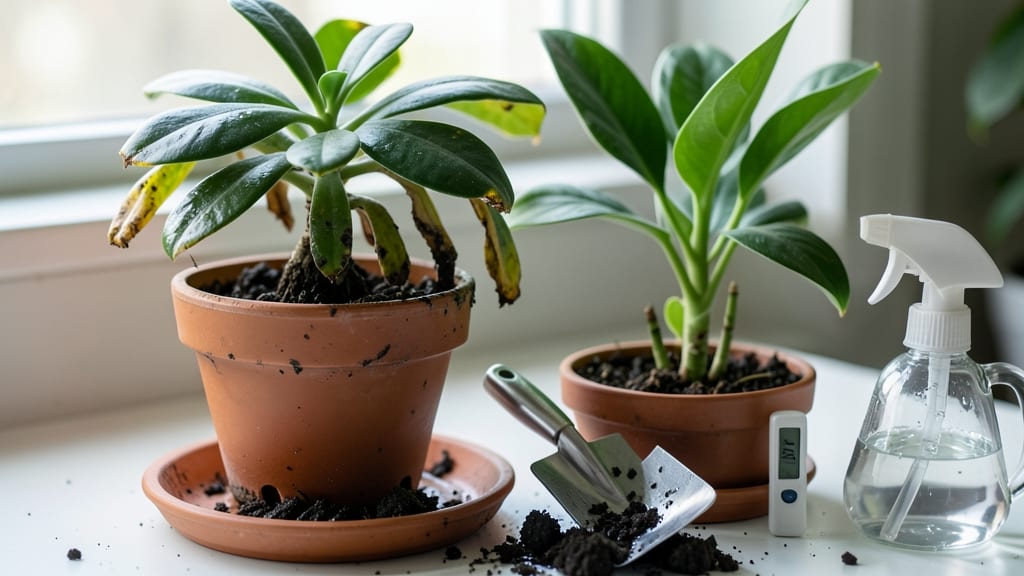
How to fix an overwatered ZZ plant—its drooping leaves and mushy stems don’t mean it’s dead, just thirsty for a dry spell. 🌱 I’ve nursed back more overwatered ZZ plants than I’d like to admit, and the secret isn’t complicated: stop watering, assess the damage, and give roots a chance to recover. The plant’s natural resilience will surprise you.
First, halt all watering immediately and check the roots—healthy ones are firm and white, while rotten ones smell sour and turn brown. If you see rot, trim the affected areas with clean scissors, then repot in fresh, well-draining soil.
The goal is to mimic its native dry conditions, so choose a container with drainage holes and a mix designed for succulents or cacti.
Within 2-4 weeks, you’ll notice new growth as the plant focuses energy on recovery. Keep it in bright, indirect light and water only when the top 2-3 inches of soil feel completely dry. The ZZ plant’s thick rhizomes store moisture, so patience is key—it’ll bounce back stronger than before.
Here’s the thing—ZZ plants thrive on neglect, not nurturing. Once revived, reduce watering to every 3-4 weeks in winter and every 2 weeks in summer. The key is consistency: let the soil dry out fully between waterings, and you’ll avoid this drama entirely.
Trust the plant’s instincts—it knows what it needs.
📚 In This Guide
- What you need
- Instructions
- Tips and common mistakes
- Wrapping up and next steps
What you need
- ● Well-draining potting mix: 1 bag (1-2 gallons) of cactus or succulent mix (or a blend of 50% potting soil + 50% perlite/pumice)
- ○ Optional: Add 1 part orchid bark or charcoal (10-20%) for extra aeration.
- ● Clean container: 1 pot with drainage holes (slightly larger than the current pot, or a temporary nursery pot if roots are severely damaged).
- ○ Optional: A mesh grow bag (for severe root rot cases).
- ● Pruning tools: 1 pair of sterilized scissors or pruning shears (clean with rubbing alcohol).
- ○ Optional: Gloves (to protect hands from bacteria).
- ● Root inspection tools: 1 spray bottle with water (for rinsing roots).
- ● 1 paper towel or clean cloth (to pat roots dry).
- ● Fungicide (if needed): 1 bottle of hydrogen peroxide (3%) or fungicide spray (for preventing mold/bacteria).
- ● Watering can or spray bottle: 1 light spray bottle (for gentle watering post-repotting).
- ● ✅ Patience: ZZ plants are tough, but recovery takes 2-4 weeks of careful care.
- ● ✅ Bright, indirect light: Place your plant in a spot with 4-6 hours of light daily (no direct sun yet!).
- ● ✅ Warmth: Keep the environment at 65–75°F (18–24°C) to avoid stress.
- ● ✅ No watering for 3-5 days: Let roots heal before reintroducing moisture.
Step-by-Step instructions for reviving an overwatered ZZ plant
Here's how I nurse ZZ plants back to health—no fancy tools, just patience and the right approach.
💧 Step 1: Stop Watering and Assess Root Health
First, halt all watering immediately. ZZ plants store water in their rhizomes, and overwatering suffocates them. Remove the plant from its pot and gently shake off excess soil to reveal the roots. Healthy roots are firm and white, while mushy or black roots signal rot. I use a clean, sterilized knife to trim away any soft, discolored sections—this prevents further decay.
Don’t panic if the roots look sad. Even severely damaged plants can recover if you act fast. Place the plant on a clean towel or paper towels to air-dry for 12-24 hours. This step is critical—it stops the rot from spreading while letting the roots firm up slightly. You’ll notice the soil feels heavy and compacted, which is why ZZ plants often suffer in containers without drainage.
✂️ Step 2: Repot in Fresh, Well-Draining Soil
Use a pot with drainage holes—no exceptions. ZZ plants despise soggy conditions, and a fresh pot ensures proper airflow. Fill the bottom 1 inch with a chunky, well-draining mix like perlite or orchid bark. This layer prevents water from pooling at the roots. I like to mix 50% cactus/succulent mix with 50% perlite for the remaining soil, as it mimics the plant’s natural arid environment.
Gently place the ZZ plant in the new pot, ensuring the roots aren’t bent or crowded. Fill in around the roots with your mix, pressing lightly to secure the plant but not compact the soil. Avoid burying the rhizomes too deep—they should sit just below the soil surface. Water lightly only if the soil feels bone-dry after a few days, but resist the urge to overdo it. You’ll know it’s right when water runs out the drainage holes without puddling.
☀️ Step 3: Adjust Light and Monitor Recovery
ZZ plants need bright, indirect light to recover, but avoid harsh afternoon sun at first—it stresses weakened plants. A north or east-facing window is ideal, or use a grow light if natural light is limited. You’ll see progress when new growth emerges from the rhizomes, usually within 4-6 weeks. If the leaves yellow or droop further, it’s a sign of shock or residual rot, and you may need to repeat the root check.
Resist the temptation to fertilize yet—recovering roots can’t handle nutrients until they’ve stabilized. Instead, wait until you see 2-3 new leaves before introducing a diluted, balanced fertilizer. I like to use half-strength fertilizer every 6-8 weeks once the plant is back on track. The key is patience; ZZ plants are tough, and with the right care, they’ll bounce back stronger than ever.
Tips & tricks for reviving an overwatered ZZ plant
Between us, ZZ plants are some of the most resilient houseplants—but even they need the right care after waterlogging. Here's what nobody tells you about bringing them back.
Root Assessment: When you trim those blackened roots in Step 1, focus on cutting back to clean, firm tissue only. The key is to remove all the mushy areas while preserving as much healthy root structure as possible. I've seen plants with only 20% healthy roots still make a full recovery—don't let the damage discourage you. The plant's natural resilience will surprise you once given the right conditions.
Soil Mix Strategy: For Step 2, the 50% potting soil to 50% perlite mix is non-negotiable for ZZ plants. If you're worried about the cost of perlite, try orchid bark instead—it works just as well for improving drainage. The critical part is creating that air pocket structure around the roots, which prevents future waterlogging. I like to mix in a handful of activated charcoal too (optional) to help prevent bacterial growth during recovery.
Light Transition: Moving your plant to bright, indirect light in Step 3 is crucial, but don't rush it. If your plant shows signs of stress like yellowing leaves during the first week, it might be getting too much light. Start with 4 hours of indirect light and gradually increase to 6 hours over 3-5 days. Remember, these plants are used to low-light conditions—they're more sensitive to too much light than too little during recovery.
Pro Tips for Fix Overwatered Zz Plant
- Between us, ZZ plants are some of the most resilient houseplants—but even they need the right care after waterlogging.
- Root Assessment: When you trim those blackened roots in Step 1, focus on cutting back to clean, firm tissue only.
- Soil Mix Strategy: For Step 2, the 50% potting soil to 50% perlite mix is non-negotiable for ZZ plants.
Frequently asked questions
How long does it take for an overwatered ZZ plant to recover?
With proper care, most ZZ plants bounce back in 2–4 weeks. Focus on drying the soil, trimming mushy roots, and avoiding water for 7–10 days. Patience is key—yellow leaves may linger but new growth signals recovery!
Can I use hydrogen peroxide to save my overwatered ZZ plant?
Yes! Mix 1 part 3% hydrogen peroxide to 4 parts water and water your plant lightly. This helps oxygenate roots and fight fungal/bacterial issues. Use sparingly—once every 2 weeks max—to avoid root burn.
How often should I water my ZZ plant after fixing overwatering?
ZZ plants thrive on neglect—wait until the top 2–3 inches of soil are bone-dry before watering again. In most homes, this means every 2–3 weeks. Stick your finger in the soil to test!
Will my ZZ plant grow back if all the leaves turn brown?
Don’t panic! If roots are still healthy, your ZZ plant can regrow from the base. Trim dead leaves, repot in fresh soil, and keep conditions stable. New shoots may take weeks to months, but the rhizomes (underground stems) are tough!
Can I propagate my overwatered ZZ plant even if it’s dying?
Healthy rhizomes or leaf cuttings can still root. Snip a 4-inch stem, let it callus for 1–2 hours, then plant in dry, well-draining soil. Mist lightly—no soaking! Propagation works best with some root health left.
Wrapping up and next steps
Your ZZ plant is tougher than you think—with the right care, it’ll bounce back from overwatering like a champ! 🌱 The key is patience and action: trim the damage, repot with fresh soil, and adjust your watering routine.
Remember, less is more—let the soil dry out completely before watering again.
Now that you’ve got the know-how, take the next step: monitor your plant’s progress and celebrate every little sign of recovery! Soon, your ZZ plant will be thriving—and you’ll be the proud plant parent it deserves. Happy reviving! 🌟