
Propagation
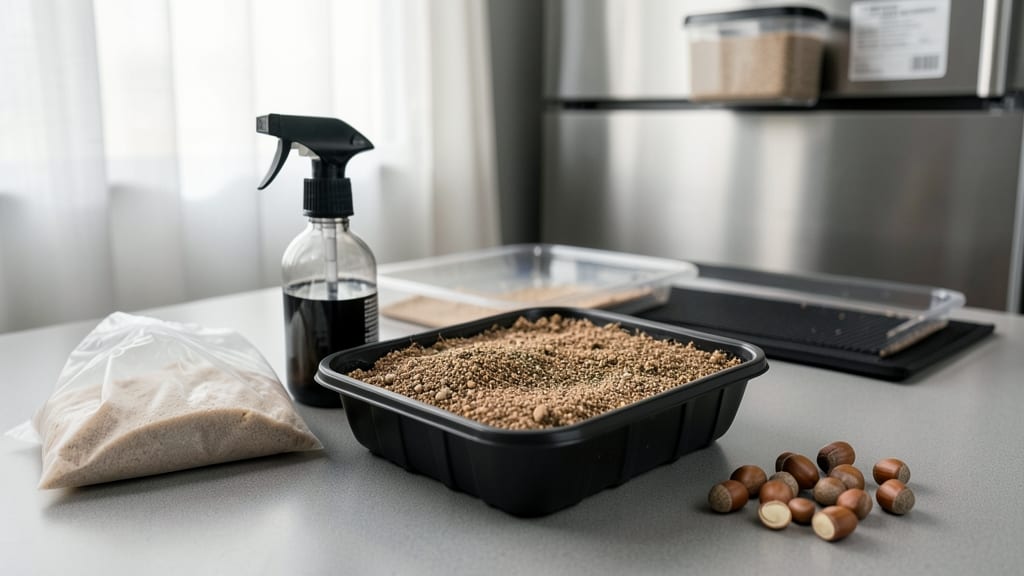
Germinating oak tree seeds takes patience and strategy—but the payoff is a future shade giant. 🌱 The key? Cold stratification mimics nature's timing, breaking dormancy so those stubborn acorns finally sprout.
I've struggled with this process for years, and I'm sharing the exact method that finally gave me reliable results after just 8-12 weeks of prep work. Most people rush the process, but oak seeds need that cold period to soften their hard shells and activate growth.
You'll need a mix of moist peat moss or sand, a sealed container, and a refrigerator for the cold treatment. The secret isn't fancy—it's consistency in moisture and temperature control that makes all the difference.
By the time you plant those stratified seeds in spring, you'll see tiny roots breaking through within 2-4 weeks. They're slow starters, but once they get going, those seedlings grow into sturdy trees that'll outlast generations. The first green shoots feel like magic after months of waiting.
This method works for red, white, or pin oak varieties—just adjust your timing based on when you want to plant outdoors. Oak trees are a long-term commitment, but that's what makes them so rewarding. Let's get those acorns sprouting!
📚 In This Guide
- What you need
- Instructions
- Tips and common mistakes
- Wrapping up and next steps
What you need
- ● Fresh oak acorns: Collect at least 10-20 acorns from mature oak trees (preferably from white oak (Quercus alba) or red oak (Quercus rubra) for better germination rates). Ensure they’re plump, heavy, and free of cracks or mold.
- ● Cold stratification setup: A ziplock bag or airtight container (e.g., a plastic tub with a lid).
- ● Moistened peat moss, perlite, or vermiculite (enough to fully submerge the acorns). Sterilize the medium by baking it at 200°F (93°C) for 30 minutes to prevent mold.
- ● Newspaper or paper towels (for an alternative stratification method).
- ● Refrigerator or cold frame: A space that maintains 33–41°F (1–5°C) for 6–12 weeks.
- ● Small pots or seed trays: 3–4 inch (7.5–10 cm) diameter pots with drainage holes, or a seed tray with individual cells.
- ● Well-draining potting mix: A blend of 50% peat moss, 30% perlite, and 20% sand (or a pre-mixed seed-starting mix).
- ● Spray bottle (for gentle watering).
- ● Plastic wrap or humidity dome (to retain moisture during germination).
- ● Grow lights or sunny windowsill: A spot with at least 6–8 hours of light daily once sprouts emerge.
- ● Seed germination mat: Keeps soil warm (70–75°F / 21–24°C) to speed up sprouting after stratification.
- ● pH testing kit: Oak seeds prefer a slightly acidic soil (pH 5.5–7.0).
- ● Fungicide (e.g., hydrogen peroxide or cinnamon powder): Adds a 1 tsp per quart of water to prevent damping-off disease.
- ● Labeling tags: To track acorn varieties and planting dates.
- ● Outdoor hardening-off area: A sheltered spot for young seedlings to acclimate before transplanting.
Step-by-Step instructions for germinating oak tree seeds
Cold stratification is the secret to breaking oak seeds' stubborn dormancy—here's how to do it right.
🌱 Step 1: Collect and Prepare the Seeds
Gather acorns from mature oak trees in late fall or early winter when they're fully ripe. Look for plump, intact acorns without cracks or holes—these have the highest germination potential. I like to collect them fresh from the ground rather than from trees, as they've already undergone some natural stratification.
Remove any remaining cap or husk by gently rubbing the acorns between your palms. Don't use water or tools to clean them, as moisture can encourage mold. Store them in a paper bag or mesh container to allow airflow until you're ready to stratify. This prevents moisture buildup while keeping them dry.
❄️ Step 2: Cold Stratify for 60-90 Days
Place the acorns in a plastic bag with a moistened paper towel or vermiculite. I use a 1:1 ratio of acorns to vermiculite—this keeps them hydrated without being waterlogged. Seal the bag loosely (leave a small opening) to allow for minimal airflow, then refrigerate at 35-40°F for 60-90 days.
Check the bag every 2-3 weeks to ensure the medium stays moist but not soggy. If the acorns feel mushy or develop mold, discard them immediately. The cold stratification mimics winter conditions, breaking the seed's dormancy so it's ready to sprout when warm weather arrives.
🌱 Step 3: Plant Stratified Seeds in Pots
Fill 4-inch pots with a well-draining seed-starting mix—I avoid garden soil because it compacts too easily. Plant 2-3 acorns per pot, burying them 1 inch deep with the pointed end facing upward. This depth ensures they have enough moisture while preventing rot.
Water gently until the soil is moist but not saturated. Place the pots in a warm, bright location (around 70°F) with indirect sunlight for the first 2-4 weeks. Oak seedlings are sensitive to temperature swings, so consistency is key. You'll see tiny sprouts emerge within 4-8 weeks, but don’t rush—patience is critical here.
☀️ Step 4: Transition to Outdoor Conditions
Once seedlings reach 3-4 inches tall and have 2-3 sets of true leaves, they're ready to harden off. Move them outdoors to a sheltered, shaded spot for 1-2 hours the first day, gradually increasing exposure over 10-14 days. This slow transition prevents shock from direct sunlight and wind.
After hardening off, transplant seedlings into the ground in a sunny location with well-draining soil. Space them 10-15 feet apart—oaks need room to grow. Water deeply after planting to settle the soil, but avoid overwatering. Oak seedlings establish slowly, so give them time to develop strong roots before expecting much growth.
⏰ Step 5: Maintain for Long-Term Growth
Keep the soil evenly moist (not soggy) for the first year, then taper off to weekly watering once established. Oak trees thrive in full sun, but young seedlings benefit from partial shade during their first summer. Mulch around the base with 2-3 inches of organic mulch to retain moisture and suppress weeds.
Be patient—oaks grow slowly but live for centuries. You won’t see dramatic growth in the first few years, but consistent care now ensures a sturdy, long-lived tree. If leaves yellow or wilt, it’s usually a sign of overwatering or poor drainage—adjust accordingly.
Tips & tricks for perfect oak seed germination
These little tricks will help you break through oak seeds' tough dormancy barrier and set up your seedlings for success.
Selection Tip: When gathering acorns, focus on those that are plump and intact with no visible cracks or holes. These have the highest germination potential. I've found that acorns collected fresh from the ground (rather than directly from trees) often have a slight head start in the stratification process because they've already experienced some natural winter exposure. Store them in a paper bag in a cool, dry place until you're ready to stratify—this prevents moisture buildup that could lead to mold.
Stratification Secret: The 60-90 day cold stratification at 35-40°F is non-negotiable for oak seeds. I like to use a 1:1 ratio of acorns to vermiculite because it creates the perfect moisture balance—enough to keep them hydrated without being waterlogged. Place the bag in your refrigerator's crisper drawer where temperatures stay most consistent. The key is to check every 2-3 weeks and gently squeeze the vermiculite—it should feel damp like a wrung-out sponge, not soggy. This mimics natural winter conditions that break dormancy.
Planting Precision: In Step 3, when planting your stratified acorns, precision matters. Use 4-inch pots with well-draining seed-starting mix to prevent root rot. Plant 2-3 acorns per pot at 1 inch deep with the pointed end up—this orientation gives the radicle (root) the best chance to grow downward. The first 2-4 weeks in a warm (around 70°F) location with indirect sunlight are critical. I've found that using a heat mat under the pots can help maintain consistent warmth during cooler spring days. Be patient—those tiny sprouts might not appear for 4-8 weeks, but they'll come when the time is right.
Hardening Off: The 1-2 hour outdoor transition in Step 4 is where many seedlings fail. Start with just 1-2 hours in a sheltered, shaded spot on the first day, then gradually increase exposure over 10-14 days. I like to place my seedlings near a north-facing wall where they get dappled sunlight. Watch for any wilting—this is your signal to move them back indoors for another day. Oak seedlings are tough once established, but they're delicate during this transition period.
Pro Tips for Germinate Oak Tree Seeds
- These little tricks will help you break through oak seeds' tough dormancy barrier and set up your seedlings for success.
- Selection Tip: When gathering acorns, focus on those that are plump and intact with no visible cracks or holes.
- Stratification Secret: The 60-90 day cold stratification at 35-40°F is non-negotiable for oak seeds.
Frequently asked questions
Got questions about germinating oak tree seeds? You’re not alone—this process can be tricky! Below, we’ve answered the most common questions to help you avoid pitfalls and boost your success rate.
How long does cold stratification take for oak seeds?
Cold stratification for oak seeds typically requires 60–90 days in moist, refrigerated conditions (around 34–40°F). Some varieties, like white oak, may need up to 120 days. Patience is key—rushing can reduce germination rates. Monitor moisture levels weekly to prevent mold.
Can I speed up germination without cold stratification?
While cold stratification is the most reliable method, some gardeners try soaking seeds in lukewarm water for 24–48 hours before planting. However, this works best for fresh, undamaged acorns. For older or dried seeds, stratification is still the gold standard. Combine soaking with stratification for slightly faster (but not guaranteed) results.
What’s the best time of year to plant germinated oak seeds?
Plant stratified oak seeds in early spring (March–April) or fall (September–October) for optimal results. Spring planting gives seedlings a full growing season, while fall planting mimics natural conditions. Avoid planting in extreme heat or frost, as young roots are delicate. A greenhouse or shaded outdoor spot works well.
Why aren’t my oak seeds sprouting after stratification?
Several factors could be at play:
- Old seeds: Acorns lose viability quickly—use fresh ones (less than 1 year old).
- Improper moisture: Overly wet seeds rot; too dry, and they won’t sprout. Aim for consistently damp (not soggy) conditions.
- Temperature fluctuations: Keep seeds in a stable, cool environment during stratification.
- Dormancy issues: Some oaks (like live oak) need longer stratification—extend to 4–5 months if needed.
Can I grow an oak tree from a store-bought acorn?
Yes! Store-bought acorns (like those from nurseries or craft stores) can work, but freshness matters. Check for plump, intact acorns with no cracks or mold. Avoid acorns from treated wood or painted surfaces, as chemicals can inhibit germination. For best results, source acorns from local, wild oaks when possible.
What’s the difference between white oak and red oak seed germination?
| Factor | White Oak | Red Oak |
|---|---|---|
| Stratification Time | 90–120 days | 60–90 days |
| Germination Speed | Slower (weeks to months) | Faster (weeks) |
| Seed Coat Thickness | Thicker (harder to crack) | Thinner (easier to scarify) |
Red oaks often germinate more reliably, but white oaks grow into longer-lived, hardier trees. Adjust your patience and methods accordingly!
Wrapping up and next steps
Germinating oak tree seeds may seem like a challenge, but with the right techniques—like cold stratification—you can unlock the potential for strong, healthy saplings in just a few weeks. 🌱 Remember, patience and consistency are key, whether you're layering seeds in damp sand or using a refrigerator for stratification.
Once your little acorns sprout, don’t stop there!
🌿 Your Next Step: Planting for Success
Now that you’ve got those sprouts ready, it’s time to transplant them into pots or directly into the ground (if conditions are right). Monitor their growth, keep them moist, and give them plenty of sunlight—soon, you’ll be nurturing a mighty oak tree right in your own backyard! Happy growing! 🌳