
Pests
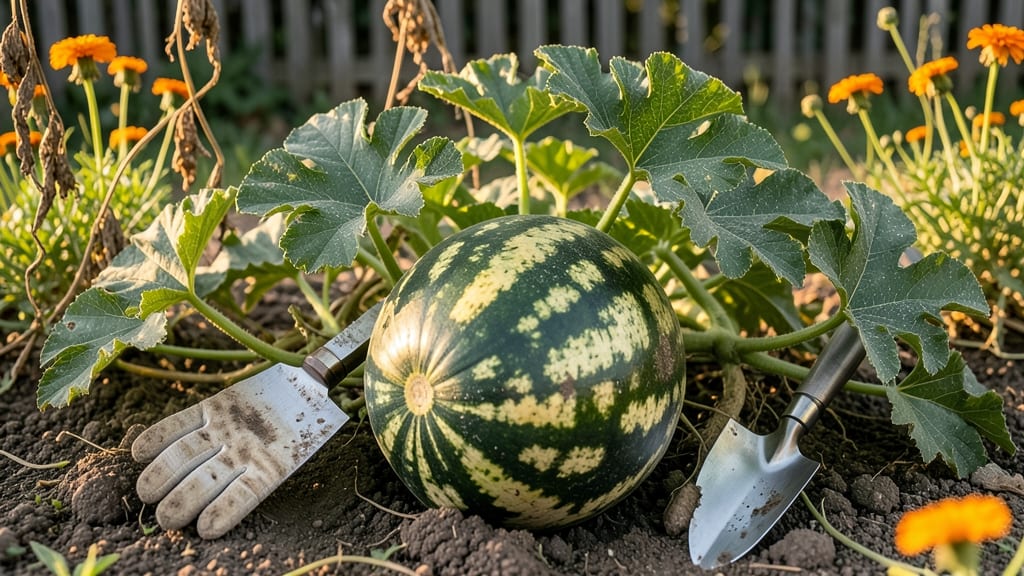
Getting that perfect ripe watermelon starts with knowing the subtle clues—because store-bought melons rarely deliver. 🌞 I’ve cracked the code after years of overripe disappointments and rock-hard failures, and now I never buy one again.
The secret? A mix of visual cues, gentle tests, and patience that pays off with juicy, sweet perfection.
First, focus on the yellow stripe where the melon rests on the ground—it should be creamy, not green. Then, check the tendril nearest the stem: it should turn brown and dry.
Finally, give it a firm thump—a deep, hollow sound means it’s ready, while a dull thud means it needs more time. Planting in late spring and harvesting in mid-summer ensures you catch this window.
You’ll know it’s just right when the rind is tough but not hard, the spot where it sat on the vine feels slightly soft, and the stem snaps cleanly when twisted.
Avoid cutting into melons that feel too light or have uneven spots—those are red flags for uneven ripening or pest damage. Once ripe, store them in a cool, dry place for up to a month.
Pro tip: Watermelons ripen on the vine, so don’t rush them—wait until 70-85°F days and 60-70°F nights for ideal sweetness. If you miss the window, even overripe melons taste better than those harvested too soon. Now go find that perfect slice!
📚 In This Guide
- What you need
- Instructions
- Tips and common mistakes
- Wrapping up and next steps
What you need
- ● Watermelon: 1-2 (depending on how many you want to test!)
- ○ Gloves (optional but recommended): A pair of lightweight gardening gloves to protect your hands from sticky rinds or rough surfaces.
- ● Small knife or peeler: A sharp, small knife (like a paring knife) or a vegetable peeler to check the rind or cut a small sample.
- ● Paper towel or cloth: For wiping your hands or the knife between tests.
- ● Flashlight or bright light source: Useful for inspecting the watermelon’s underside or stem area in dimly lit areas.
- ○ Notepad and pen (optional but handy): To jot down notes on watermelons you’ve already checked to avoid duplicates.
- ● Portable scale: If you’re buying by weight, a small digital scale ensures accuracy.
- ● Magnifying glass: For a closer look at the watermelon’s texture, stripes, or potential blemishes.
- ● Spray bottle with water: A quick mist can help reveal the true color of the watermelon’s rind in bright sunlight.
- ● Taste testers (volunteers!): If you’re at a market or farm, bring a friend to help sample-test watermelons.
- ● Cooler bag or insulated tote: To keep your ripe watermelon fresh during transport home.
Step-by-step guide to picking a perfectly ripe watermelon
Here's how I guarantee a sweet, juicy watermelon every time—no guesswork, just science.
🌱 Step 1: Hunt for the Right Field Spot
Look for watermelons in the middle of the vine, not the ends. These get the most sun and develop fullest flavor. I always check the underside—ripe melons have a creamy yellow patch where they rested on the ground. Skip melons with a white or green underside; they're not ready.
Run your fingers along the stem where it connects to the vine. If it's dry and papery, the melon's been on the vine long enough to ripen. A green, moist stem means it was picked too soon. This is the first real test—don't skip it!
💧 Step 2: Test the Weight and Thump
Lift the melon—it should feel heavy for its size. A ripe watermelon is dense with juice. I hold it with both hands and gently tap the blossom end (the flat side) with my knuckles. A deep, hollow sound means it's ripe. A dull thud? Still too firm.
This works because ripe melons have developed thick, juicy flesh that vibrates differently. I've learned the hard way—melons that sound "off" often turn out rock-hard inside. If you're unsure, tap two melons side by side and compare.
☀️ Step 3: Check the Stripes and Texture
Inspect the stripes on the rind. Ripe watermelons have bold, dark green stripes that contrast sharply with their background. If the stripes are faint or the rind looks dull, it's not ready. I also press my thumb into the side of the melon—the skin should give slightly but not dent permanently.
Run your hand over the rind. It should feel slightly rough with a waxy finish. Smooth, shiny melons often lack flavor. Here's the thing—if the melon feels too hard or too soft, it's a red flag. You're aiming for that firm-but-yielding feel.
✂️ Step 4: Twist and Smell for the Final Check
Grasp the melon's stem and give it a firm twist. If it comes off easily with a dry, crackling sound, it's ripe. A green stem that snaps or pulls out with resistance means it's still on the vine too long or not ready. I always do this last—it's the most reliable test.
Finally, take a deep sniff near the blossom end. A ripe watermelon smells sweetly floral, almost like honeydew mixed with a hint of cucumber. If it smells bland or musty, walk away. This scent comes from the melon's natural sugars—your nose knows best!
🪴 Step 5: Cut and Confirm (The Ultimate Test)
Slice the melon open at the blossom end—this is where the seeds and sweetest flesh develop. Look for deep red color throughout, not just around the rind. The seeds should be black with a white halo (the edible part). If the seeds are pale or the flesh is pale pink, it's not ripe.
Here's the pro tip: Press your thumb into the flesh. If it leaves a deep indentation that slowly fills back in, it's juicy and ripe. No dent? It's still firm. I've cut dozens of melons that looked perfect but failed this test—don't trust appearances alone.
Tips & tricks for perfectly ripe watermelon selection
Here's what nobody tells you about picking the juiciest melons—these tricks save you from buying rock-hard disappointments.
Field Spot Intelligence: The middle-of-the-vine rule is non-negotiable, but here's the secret: look for melons that are slightly off-center on the vine. These get maximum sun exposure without being at the very end where they might dry out. I've found the sweetest melons are those resting on the ground with that creamy yellow patch—this indicates they've been ripening naturally for days. Confession: I skipped checking the underside for years and wondered why my melons were bland.
Thump Technique Refinement: That deep, hollow sound from tapping the blossom end reveals more than just ripeness—it tells you about the melon's internal structure. For a true test, tap two melons side by side. The one that produces a higher-pitched, clearer sound is always the winner. Real talk: if you hear a "thud" rather than a "boom," walk away. I learned this the hard way after cutting open three melons that sounded perfect but were rock-hard inside.
Texture and Stripes Tell All: The stripes should be so bold they look like they were painted on, not just faint green lines. And that waxy finish? It's nature's way of protecting sweetness. Here's what I do: run my thumb along the side of the melon. If it leaves a slight indentation that springs back immediately, that's your melon. Too hard? Too soft? Both mean it's not ready. Between us, smooth melons are almost always underripe—flavor follows texture.
Smell Science: That sweetly floral aroma comes from the melon's natural sugars converting to volatile compounds. If you can't smell it from a foot away, it's not ripe. Pro tip: sniff near the blossom end first, then move to the stem end. A ripe melon will smell sweeter at the blossom end, almost like a mix of honeydew and fresh-cut grass. I've trained my nose to detect even the slightest musty note—it's a dealbreaker every time.
Pro Tips for Get A Ripe Watermelon
- Here's what nobody tells you about picking the juiciest melons—these tricks save you from buying rock-hard disappointments.
- Field Spot Intelligence: The middle-of-the-vine rule is non-negotiable, but here's the secret: look for melons that are slightly off-center on the vine.
- Thump Technique Refinement: That deep, hollow sound from tapping the blossom end reveals more than just ripeness—it tells you about the melon's internal structure.
Frequently asked questions
Got questions about picking the perfect ripe watermelon? You’re not alone! Here are some of the most common queries—and their answers—to help you avoid the "too hard" or "still sour" disappointment.
How do I know if a watermelon is ripe without cutting it open?
Use the classic thump test: Tap the watermelon—if it sounds hollow, it’s ripe! Also check the field spot (the yellowish patch on the bottom). A creamy yellow field spot is a great sign. Look for dry, brown vines too—this means it’s been off the vine long enough to sweeten.
How long does it take for a watermelon to ripen after being picked?
Watermelons don’t ripen further after picking, so they should be ripe before you buy them. However, if you’re growing your own, harvest when the stem dries and falls off naturally—usually 70–90 days after planting. Store uncut melons in a cool, dry place (50–55°F) to preserve freshness for 1–2 weeks.
What’s the best time of year to buy ripe watermelons?
Peak watermelon season is late spring to early fall (May–September in most U.S. regions). For the ripest store-bought melons, shop in July and August—that’s when farmers’ markets and grocery stores stock the freshest harvests. If buying out of season, opt for seedless varieties, which hold up better.
My watermelon is too hard—what went wrong?
Hard watermelons usually mean they weren’t ripe when picked. Check for these red flags: green rinds, no yellow field spot, or a thud instead of a hollow sound when thumped. If you’re growing your own, ensure vines are fully dry before harvesting. For store-bought melons, ask the vendor when it was harvested—older than 2 weeks? It might not be worth it!
Can I ripen an underripe watermelon at home?
Unfortunately, no—watermelons don’t ripen like avocados or tomatoes. Once picked, their sugar content and texture stay the same. Your best bet? Buy from a trusted source or grow your own for guaranteed ripeness. If you’re stuck with a hard melon, try roasting or blending it (yes, really!) to soften it for smoothies or jams.
Wrapping up and next steps
Now that you’re armed with the thump test, yellow-stripe check, and field-spotting tricks, you’re ready to snag the juiciest, ripest watermelon at the market—or even grow your own sweet victory! 🍉✨ Remember, a little patience and curiosity go a long way in finding that perfect melon.
So next time you’re at the farmers' market or grocery store, put these tips to the test and treat yourself to a burst of summer refreshment.
Want to go further? Try growing your own watermelon—it’s easier than you think! Check out our guide on starting watermelon seeds indoors for a homegrown harvest next season.