
Pruning
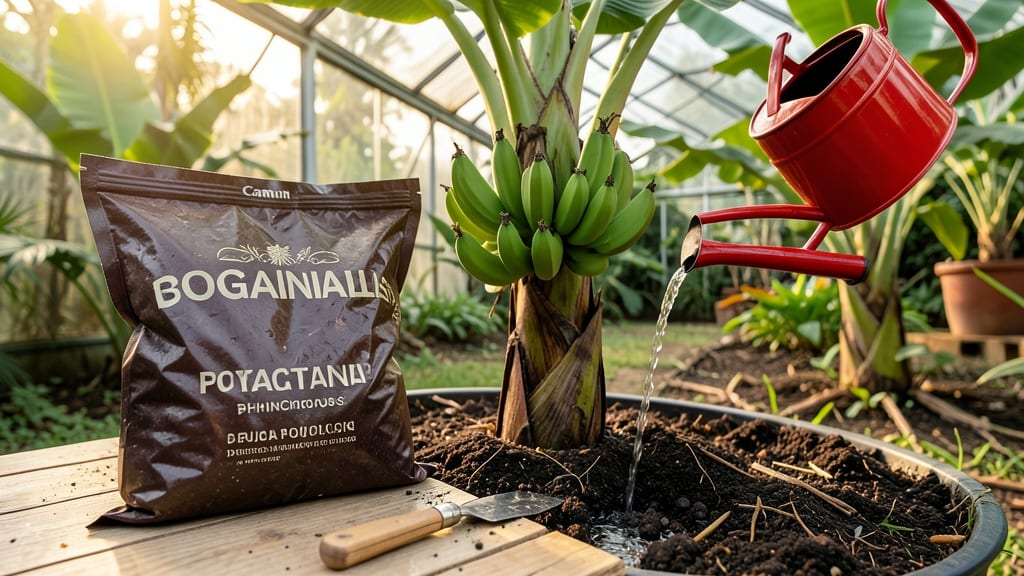
Your banana tree’s empty stalks are screaming for action—here’s how to get a banana tree to fruit the right way. 🌱 I’ve watched mine go from stubbornly leafy to heavy with fruit—here’s the exact combo of sunlight, soil, and patience that finally worked for me.
The first rule? Variety matters—Dwarf Cavendish (the most common) fruits reliably, but others need warmer climates. Next, full sun (6+ hours daily) and rich, slightly acidic soil (6.0-7.5 pH) are non-negotiable.
Most people overlook the pruning hack: cutting back old fruit stalks at the base in late winter triggers new, productive growth. By year three, you’ll see those iconic banana hands forming—thick, green, and full of promise.
The key is consistency: regular watering (but no soggy roots), balanced fertilizer (high potassium), and protecting young plants from frost if you’re in a temperate zone. Patience is the hardest part—some varieties take 2-5 years to fruit. But once they do, you’ll never buy bananas again.
Here’s how to set yours up for success.
📚 In This Guide
- What you need
- Instructions
- Tips and common mistakes
- Wrapping up and next steps
What you need
- ● Banana tree (Musa spp.) – Choose a healthy, mature plant (at least 2–3 years old, ideally with a pseudostem diameter of 10+ inches).
- ● Well-draining potting mix or soil – A blend of 60% topsoil, 20% compost, and 20% perlite/sand (for container-grown trees). For in-ground planting, amend clay soil with 3–4 inches of organic matter (like compost or aged manure).
- ● Balanced fertilizer (10-10-10 or 20-20-20) – 1–2 cups per tree during growing season (spring to fall).
- ● Potassium-rich fertilizer (e.g., 0-10-10 or banana-specific fertilizer) – 1 application every 2–3 months once the tree is flowering.
- ○ Slow-release organic fertilizer (e.g., banana fertilizer pellets) – Optional but helpful for a steady nutrient boost.
- ● Watering can or hose with a gentle spray nozzle – Banana trees love deep watering 2–3 times per week (adjust for climate).
- ● Pruning shears or sharp knife – For trimming dead leaves or suckers (sterilize with rubbing alcohol first!).
- ● Mulch (straw, wood chips, or pine bark) – 2–3 inches thick around the base to retain moisture and regulate soil temperature.
- ● pH test kit – Aim for a soil pH of 5.5–7.0 (banana trees prefer slightly acidic to neutral soil).
- ● Shade cloth (30–50%) – If your tree is in hot, direct sun, use this to protect young leaves from scorching.
- ● Epsom salt (magnesium sulfate) – 1 tablespoon per gallon of water as a foliar spray to boost flowering (apply when buds form).
- ● Humidity tray or misting bottle – Banana trees thrive in 60–80% humidity; great for indoor or dry-climate growers.
- ● Support stake or bamboo poles – If your tree is top-heavy, secure it to prevent falling (especially in windy areas).
- ● Compost tea or fish emulsion – For an extra nutrient kick during flowering.
- ● Thermometer – Monitor soil temperature (ideal range: 70–90°F for fruiting).
Step-by-step instructions for encouraging banana tree fruit production
Here’s how I’ve coaxed fruit from stubborn banana trees—focus on these three critical factors.
🌱 Step 1: Provide Full Sun and Warmth for Flowering
Banana trees need 6-8 hours of direct sunlight daily to produce flowers. Place your plant in the sunniest spot possible—south-facing windows or outdoor locations work best. If indoors, supplement with a grow light 6-12 inches away for 12-14 hours daily. You’ll see progress when the tree develops a pseudostem (the thick, layered trunk)—this signals maturity and readiness for flowering.
Temperature matters too. Keep your banana tree in 75-85°F conditions. If nights dip below 60°F, growth slows or stops entirely. Use a space heater near the plant in winter if needed. Watch for new leaf growth—when leaves emerge larger and faster than before, your tree is thriving and closer to flowering.
💧 Step 2: Feed and Water for Optimal Growth
Use a balanced 10-10-10 fertilizer (or organic equivalent) every 4-6 weeks during active growth. Dilute to half-strength to avoid burning roots. You’ll notice stronger stems and deeper green leaves within weeks—this is your tree storing energy for fruit production. Water deeply 2-3 times weekly, ensuring the top 6-8 inches of soil stay moist but never soggy. Overwatering causes root rot, which kills flowering potential.
Banana trees love moisture but hate waterlogged soil. Stick your finger 2 inches deep—if it feels dry, water again. In winter, reduce watering to once weekly as growth slows. Yellowing leaves? That’s often overwatering. Brown edges? Likely underwatering. Adjust until leaves stay consistently vibrant.
☀️ Step 3: Encourage Flowering with Strategic Pruning
When your banana tree reaches 6-8 feet tall, prune the oldest leaves (the ones closest to the ground) to redirect energy upward. Remove 1-2 leaves per month during warm months. This mimics natural pruning in tropical climates and signals the plant to focus on flowering. You’ll see new, younger leaves emerge from the center—these are the growth points where flowers will form.
Watch for a reddish or purple hue in the leaf axils (where leaves meet the stem). This is the first sign of an emerging flower bud. Once you spot it, reduce fertilizer to half-strength to avoid leafy growth at the expense of fruit. Keep the area around the bud warm and humid—a small greenhouse or plastic tent helps if indoors.
⏰ Step 4: Protect Flowers for Fruit Development
Banana flowers are delicate. Once the bud opens, cover it with a lightweight mesh or cloth to shield it from drafts, pests, and direct wind. Pollination isn’t always necessary for fruit (many varieties are parthenocarpic), but protecting the bloom ensures it matures. You’ll know it’s working when the flower stalk thickens and small green clusters form—these will become your bananas.
Fruit takes 3-6 months to ripen, depending on variety. Reduce watering slightly once fruit appears to concentrate sugars. Harvest when the peel turns fully yellow with black speckles. If your tree doesn’t flower after a year, it may need more warmth or a 1-2 month "rest" period with cooler temps (65°F) to reset its cycle.
Tips & tricks for encouraging banana tree fruit production
Even with perfect conditions, banana trees can be stubborn about fruiting—here’s how to give yours the best shot.
Lighting Strategy: The 6-8 hours of direct sunlight is non-negotiable, but quality matters just as much as quantity. Place your tree near a south-facing window where it gets unfiltered light all day. If using grow lights, position them 6-12 inches away and keep them on for 12-14 hours daily—this mimics tropical daylight cycles. I’ve found that supplementing with a full-spectrum LED light in the morning (when natural light is weakest) gives my trees that extra boost they need to start flowering.
Temperature Nuances: While 75-85°F is ideal, consistency matters more than hitting exact numbers. If your nights dip below 60°F, growth stalls completely. I’ve had success using a small space heater near the plant during winter months—just keep it 2-3 feet away to avoid drying out the leaves. Watch for leaf curling or dark spots, which signal stress from temperature swings. A simple thermometer near the plant helps track conditions without guesswork.
Pruning Precision: When pruning those oldest leaves at 6-8 feet tall, focus on the bottom third of the plant. These leaves are no longer photosynthesizing effectively and are sapping energy from potential fruit production. I prune just above the leaf collar (where the leaf meets the stem) using clean, sharp pruners. After pruning, I always wipe down the cuts with a diluted bleach solution (1 part bleach to 10 parts water) to prevent disease. This might seem extreme, but it’s saved my trees from fungal infections during humid months.
Flower Protection: Once that flower bud appears with its telltale reddish hue, treat it like a VIP guest. Cover it with lightweight mesh or cheesecloth to shield from drafts and pests. I’ve had success using a small plastic tent over the bud to maintain humidity—just remove it during the day to let air circulate. The key is balance: protect the flower without suffocating it. You’ll know you’re doing it right when the flower stalk starts thickening and those first tiny green clusters appear.
Pro Tips for Get Banana Tree To Fruit
- Even with perfect conditions, banana trees can be stubborn about fruiting—here’s how to give yours the best shot.
- Lighting Strategy: The 6-8 hours of direct sunlight is non-negotiable, but quality matters just as much as quantity.
- Temperature Nuances: While 75-85°F is ideal, consistency matters more than hitting exact numbers.
Frequently asked questions
Got questions about coaxing fruit from your banana tree?
You’re not alone—growing bananas can feel like a puzzle! Below, we’ve rounded up the most common questions (and answers) to help you troubleshoot, plan, and celebrate those sweet rewards.
How long does it take for a banana tree to produce fruit?
A healthy banana tree typically takes 9–18 months from planting to fruiting, depending on the variety and growing conditions. Dwarf varieties (like ‘Dwarf Cavendish’) often fruit faster (9–12 months), while larger types may take longer. Patience is key—don’t rush it!
Why isn’t my banana tree flowering or fruiting?
Banana trees need full sun (6+ hours daily), proper nutrients, and maturity (usually 1–2 years old) to flower. Common culprits:
- Low light: Move to a sunnier spot or supplement with grow lights.
- Nutrient deficiency: Feed with a high-potassium fertilizer (like banana-specific blends) every 2–3 months.
- Stress: Overwatering, pests, or temperature swings can delay flowering.
Can I force a banana tree to fruit indoors?
Yes, but it’s challenging! Banana trees thrive outdoors in tropical climates, but you can try indoors with:
- A large pot (15+ gallons) with drainage.
- Grow lights (12–14 hours/day) to mimic sunlight.
- Warmth (70–85°F)—avoid drafts or cold windows.
- Humidity trays or a humidifier to prevent stress.
What should I do after my banana tree fruits?
Once the fruit bunch matures and turns yellow, the mother plant will die—but don’t panic! Here’s what to do:
- Harvest the fruit when it’s slightly green (for riper flavor indoors) or fully yellow (for shipping).
- Save the suckers: Small shoots (suckers) at the base can be replanted to grow new trees.
- Remove the dead pseudostem and fertilize the soil for the next cycle.
What do I do if my banana tree gets pests or diseases?
Common issues include:
- Spider mites/scale insects: Spray with neem oil or insecticidal soap.
- Fungal spots: Prune affected leaves and apply copper fungicide.
- Root rot: Ensure well-draining soil and avoid overwatering.
Pro Tip: Track your banana tree’s progress!
Use a garden journal to
Wrapping up and next steps
Growing fruit on your banana tree is all about patience, consistency, and the right care—but trust us, it’s worth it! 🌱 With the perfect balance of sunlight, nutrient-rich soil, and proper pruning, you’ll soon be enjoying sweet, homegrown bananas.
Start small, observe your plant’s progress, and don’t hesitate to adjust as needed.
Ready to take the next step? Monitor your tree’s health weekly and celebrate every little milestone—like new leaves or flower spikes. Soon, you’ll be harvesting your own tropical treats! 🍌✨