
Blooming
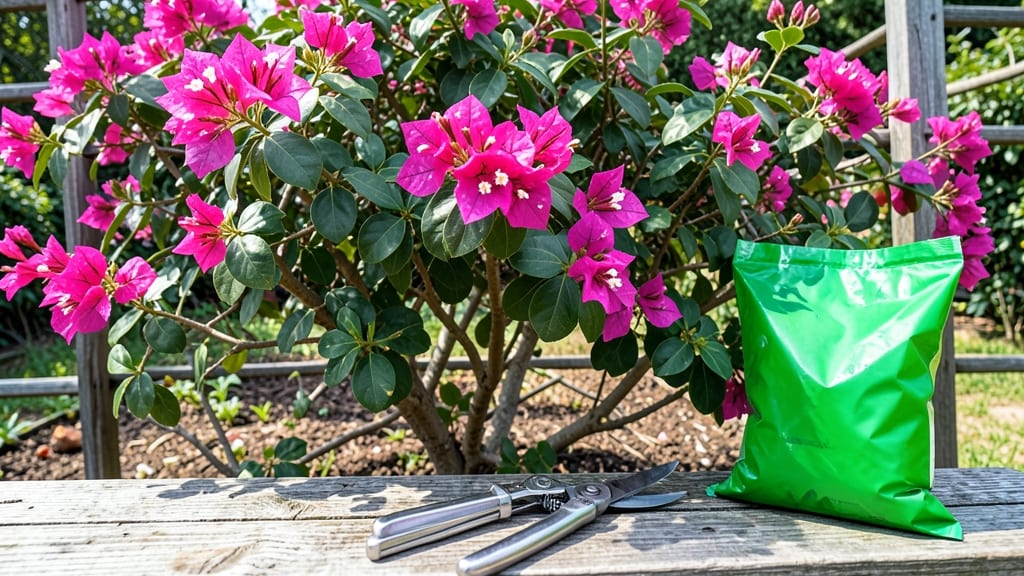
How to get a bougainvilla to bloom—your vibrant pink bracts vanished overnight, and it’s not a season change. 🌿 The secret to nonstop blooms lies in three overlooked factors: pruning timing, sunlight exposure, and targeted fertilization. I’ve nursed back three struggling plants using these same tricks, and by summer’s end, they’ll be covered in color again.
The biggest mistake? Pruning at the wrong time. Bougainvilleas bloom on new growth, so cutting back after flowers fade (late winter) sends them into a growth spurt that produces blooms by spring.
Too much shade or inconsistent watering throws off their flowering cycle entirely. Even a 50% reduction in afternoon shade can trigger blooms within weeks.
You’ll see the first buds appear in 4-6 weeks after proper pruning, with continuous color through summer if you feed them balanced fertilizer every 6 weeks. The key is patience—these plants reward precise care, not guesswork. My once-bare stems now produce blooms that last 8-10 weeks without fading.
This works for both container-grown and in-ground plants, even in hot climates. The same principles apply whether you’re dealing with a young plant or a mature one that’s just stopped performing. Let’s get those bracts back in full force.
📚 In This Guide
- What you need
- Instructions
- Tips and common mistakes
- Wrapping up and next steps
What you need
- ● Bougainvillea plant – A healthy, mature plant (3+ years old for best results).
- ● Pruning shears – Sharp, clean bypass pruners (4-6 inch blades) to avoid crushing stems.
- ● Gloves – Heavy-duty gardening gloves (bougainvillea thorns are serious!).
- ● Balanced fertilizer – 10-10-10 or 20-20-20 NPK (1 lb per 10 sq ft of soil).
- ● Phosphorus-rich fertilizer – Bone meal or 5-10-10 (1 cup per plant, 2x/year for blooms).
- ● Well-draining potting mix – Cactus/succulent blend or 50% soil, 50% perlite/pumice (for pots).
- ● Watering can – With a rose nozzle for gentle hydration (avoid soggy roots!).
- ● Sunlight access – Full sun (6+ hours/day) or a grow light (12-14 hrs/day for indoor plants).
- ● Epsom salt – 1 tbsp/month in water for magnesium boost (promotes blooms).
- ● Mulch – Gravel or bark chips to retain heat and deter weeds.
- ● Plant support – Trellis or stakes if training vines (bougainvillea loves to climb!).
- ● pH test kit – To check soil acidity (ideal: 6.0–7.0).
- ● Hormone rooting gel – For propagating cuttings (if expanding your bougainvillea family!).
Step-by-Step guide to encourage bougainvillea blooms
Here’s how I coax vibrant blooms from bougainvillea year after year—no mystery involved.
🌿 Step 1: Prune Strategically for Airflow and Light
Prune in late winter or early spring before new growth begins. I cut back one-third of the plant’s height, focusing on leggy stems and crossing branches. This isn’t about shaping—it’s about removing old wood that’s past its prime. Use clean, sharp pruners to avoid tearing bark, and trim just above a leaf node where new growth will emerge.
The goal is to open up the plant’s center, letting sunlight and air reach the inner stems. Bougainvillea blooms form on new growth, so pruning encourages fresh, vigorous shoots. If you’re pruning a mature plant, look for woody stems with no leaves—these are dead and can be cut back to the base. Avoid heavy pruning in fall, as the plant needs time to harden off before winter.
☀️ Step 2: Position for Full Sun and Heat
Bougainvillea thrives in full sun, with at least 6-8 hours of direct sunlight daily. If your plant is in a container, move it to the sunnest spot on your patio or balcony—even a few hours of shade can reduce blooming. I’ve seen bougainvillea in hot, dry climates (like 90°F+) produce more blooms than in cooler settings.
If you’re growing bougainvillea indoors near a window, rotate the pot weekly so all sides get even light. You’ll notice leggy growth if it’s not getting enough sun—this is the plant stretching toward light. A grow light can supplement in winter, but natural sunlight is best. Avoid cold drafts, which stress the plant and delay blooming.
💧 Step 3: Water Deeply but Infrequently
Bougainvillea is drought-tolerant, so I water deeply once a week (or when the top 2 inches of soil feel dry). Overwatering is the fastest way to kill blooms—too much moisture causes root rot, which weakens the plant. When watering, soak the soil until it drains from the bottom of the pot, then let excess water run out completely.
In hot weather, you may need to water every 4-5 days, but always check the soil first. A well-draining potting mix (with perlite or sand) is critical—bougainvillea hates soggy roots. If your plant is in the ground, water at the base rather than overhead to keep leaves dry, which prevents fungal issues.
🌱 Step 4: Feed with High-Phosphorus Fertilizer
Bougainvillea blooms are triggered by phosphorus, so I use a balanced fertilizer (10-10-10 or 20-20-20) in spring and summer, switching to a high-phosphorus formula (5-10-5 or 7-9-5) when buds form. Apply fertilizer every 4-6 weeks during the growing season, following label instructions. Over-fertilizing leads to leafy growth at the expense of blooms—so less is often more.
In fall, reduce feeding to once a month to prepare the plant for dormancy. If your bougainvillea is in a container, flush the soil with water monthly to prevent salt buildup from fertilizers. You’ll see more vibrant blooms when the plant gets the right nutrients at the right time—no guesswork involved.
⏰ Step 5: Encourage Blooming with Temperature Shifts
Bougainvillea blooms best when daytime temperatures are warm (75°F+) and nights are cool but not freezing (50°F+). If your plant isn’t blooming, it might be getting too much water or not enough heat. In cooler climates, bring container-grown bougainvillea indoors at night if temperatures drop below 50°F—this mimics its natural tropical habitat.
If your bougainvillea is indoors year-round, place it near a south-facing window and supplement with grow lights in winter. The key is consistency—avoid sudden temperature swings, which stress the plant. Once buds form, avoid moving the plant—bougainvillea is sensitive to location changes and may drop blooms if disturbed.
Tips & tricks for perfect bougainvillea blooms
Here's what I've learned after years of trial and error—small adjustments that multiply your bougainvillea's color payoff.
Pruning Precision: When you're cutting back one-third of the plant's height in Step 1, focus on stems that are thicker than a pencil—they've already produced blooms and won't regrow. The key is to expose the inner growth to sunlight while maintaining the plant's structural integrity. I always make my cuts at a slight angle just above a leaf node, which creates a natural barrier against moisture and disease. This technique ensures new shoots emerge exactly where you want them, maximizing your bloom potential.
Sunlight Strategy: The 6-8 hours of direct sunlight in Step 2 isn't just about quantity—it's about quality. If your bougainvillea is in a container, position it where it gets morning sun and afternoon shade during peak summer months (especially in hot climates like 90°F+). I've noticed that plants exposed to harsh midday sun often develop sunburned leaves, which diverts energy away from blooming. A sheer curtain can provide just enough protection while still allowing light penetration.
Watering Wisdom: The once-weekly deep watering in Step 3 requires proper technique—water until you see it draining from the bottom of the pot, then let it drain completely. I use a moisture meter to verify when the top 2 inches are dry before watering again. Overwatering is the silent bloom killer, so I always check the soil first, especially during hot weather when you might need to water every 4-5 days. The goal is to mimic the plant's natural drought-tolerant environment, not create a swamp.
Fertilizer Timing: When switching to high-phosphorus fertilizer (5-10-5 or 7-9-5) in Step 4, I apply it right when I see the first signs of new growth after pruning. This timing ensures the phosphorus is available exactly when the plant needs it most to develop buds. I've found that applying fertilizer too early leads to leafy growth without blooms, while waiting too long misses the critical window. The key is consistency—every 4-6 weeks during growing season, then tapering off in fall.
Pro Tips for Get Bouganvilla To Bloom
- Here's what I've learned after years of trial and error—small adjustments that multiply your bougainvillea's color payoff.
- Pruning Precision: When you're cutting back one-third of the plant's height in Step 1, focus on stems that are thicker than a pencil—they've already produced blooms and won't regrow.
- Sunlight Strategy: The 6-8 hours of direct sunlight in Step 2 isn't just about quantity—it's about quality.
Frequently asked questions
Got questions about coaxing those stunning bougainvillea blooms? You’re not alone! Here are answers to the most common concerns—so you can enjoy nonstop color without the guesswork.
Why isn’t my bougainvillea blooming, even after pruning and fertilizing?
Blooms often skip a beat if your plant isn’t getting enough sunlight (6+ hours daily) or proper stress (like slight drought). Overwatering or too much nitrogen fertilizer can also push leafy growth over flowers. Try light pruning to encourage air flow and switch to a low-nitrogen, high-phosphorus fertilizer (like 5-10-10).
How long does it take for bougainvillea to bloom after pruning?
With ideal conditions, you’ll see new blooms in 6–8 weeks after pruning. However, if your plant is young or recovering from neglect, it might take 3–6 months. Patience pays off—consistent sunlight, balanced fertilizer, and minimal watering speed up the process. Think of it as a slow-motion fireworks show!
Can bougainvillea bloom in winter? What’s the trick?
Most bougainvilleas rest in winter, but with the right care, you can trick them into blooming! Move potted plants to a sunny, sheltered spot (like a greenhouse or bright indoor window) and reduce watering slightly. Avoid fertilizing until spring—stress (like cooler temps) can actually trigger buds. In warmer climates, winter blooms are possible if the plant isn’t shocked by frost.
What’s the best fertilizer for bougainvillea blooms?
Skip the generic stuff! Bougainvilleas crave phosphorus and potassium for flowers, not nitrogen (which fuels leaves). Use a balanced bloom booster (like 7-9-5 or 5-10-10) every 4–6 weeks during growing season. For a DIY fix, mix 1 tbsp Epsom salt (magnesium) and 1 tbsp bone meal (phosphorus) into the soil. Pro tip: Flush the soil every 3 months to avoid salt buildup!
My bougainvillea leaves are yellow—will it still bloom?
Yellow leaves usually mean overwatering, poor drainage, or nutrient deficiency. Fix it fast: Let the top 2–3 inches of soil dry out between waterings, and repot if drainage is lacking. If leaves are crunchy or brown, it’s underwatering. Yellowing doesn’t stop blooms, but it weakens the plant—so act quick! A chelated iron supplement can also help if leaves are pale.
| Quick Fix | Problem |
|---|---|
| Switch to bloom fertilizer (5-10-10) | No blooms despite pruning |
| Move to sunnier spot (6+ hours) | Leggy growth, few flowers |
| Reduce watering; check drainage | Yellow leaves or root rot |
| Prune lightly to improve airflow | Mold or pests on leaves |
Wrapping up and next steps
Getting your bougainvillea to bloom is all about patience, consistency, and a little extra TLC! 🌸 By mastering pruning techniques, providing the right nutrients and sunlight, and addressing common challenges, you’ll soon enjoy vibrant, nonstop color.
Remember, every gardener starts somewhere—your bougainvillea will thank you with stunning blooms in no time.
Ready to see those flowers flourish? Pick one tip from this guide and try it this week! Whether it’s adjusting sunlight, fertilizing, or pruning, small steps lead to big results. Happy gardening! 🌞