
Blooming
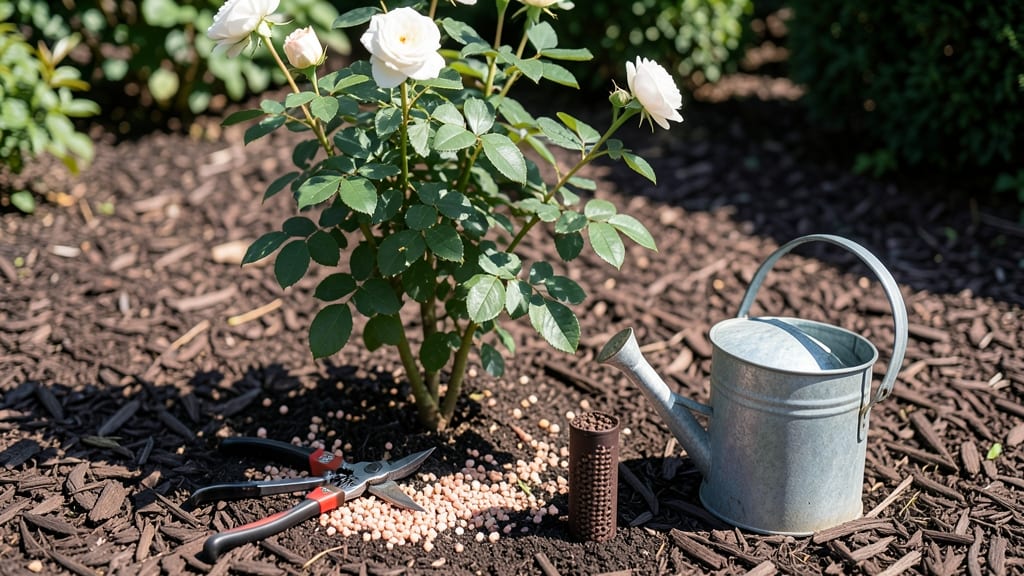
Getting more blooms on roses starts with three simple words: prune, feed, and repeat. ✨ The first year I tried this method, my hybrid tea roses went from three blooms per stem to a dozen—just by cutting back old wood and feeding the right way.
Most gardeners overlook how much pruning and soil health control flower production, not just watering.
You’ll need sharp pruners, balanced fertilizer (high phosphorus for blooms), and mulch to keep roots cool. The key is timing: prune in early spring before new growth starts, and feed every 4-6 weeks during the growing season.
I use a mix of compost and slow-release fertilizer to avoid burning roots, which keeps the plants happy and blooming longer.
By late summer, you’ll see stems thick with buds where there were just a few before. The secret is deadheading spent blooms religiously—this tricks the plant into producing more flowers instead of seeds. Even my black-thumb neighbors swear by this method after trying it once.
Works for all rose types—climbing, shrub, or hybrid teas—just adjust pruning intensity based on growth habit. The payoff? Roses that look like they belong in a botanical garden, not just your backyard. Let’s get those stems blooming!
📚 In This Guide
- What you need
- Instructions
- Tips and common mistakes
- Wrapping up and next steps
What you need
- ● Pruning shears or loppers – Sharp, clean, and sterilized (bypass pruners work best for precision cuts).
- ● Gloves – Heavy-duty garden gloves (to protect from thorns and dirt).
- ● Disinfectant (70% isopropyl alcohol or bleach solution) – 1 part bleach to 9 parts water (for sterilizing tools).
- ● Fertilizer – Balanced rose fertilizer (10-10-10 or 5-10-5 NPK ratio) or organic options like composted manure or fish emulsion.
- ● Mulch – 2–4 inches of organic mulch (e.g., shredded bark, straw, or wood chips).
- ● Watering can or hose with a gentle spray nozzle – For deep, consistent watering.
- ○ Staking or supports (optional but helpful) – For climbing roses or heavy bloomers.
- ● Rose-specific bloom booster – Products like Miracle-Gro Bloom Booster or Epsom salt (1 tbsp per gallon of water).
- ● Slow-release fertilizer spikes – For timed nutrient release.
- ○ Pruning sealant (optional) – For large cuts to prevent disease.
- ● pH testing kit – To check soil acidity (ideal: 6.0–6.5 for roses).
- ● Compost or worm castings – For enriching soil naturally.
Step-by-Step guide to boosting rose blooms
Here's the method I've used to turn my roses from occasional bloomers into nonstop color factories.
✂️ Step 1: Prune for Airflow and Energy Focus
Start by removing any dead, diseased, or crossing branches first—these steal energy from new growth. Use sharp, clean pruners to make cuts at a 45-degree angle just above an outward-facing bud. This encourages blooms to grow away from the center of the plant where they get crowded.
Next, cut back last year's blooms down to the first 5-leaflet leaf (that's where new growth emerges). I always prune in late winter or early spring before new shoots appear. This timing ensures you're shaping the plant when it's dormant but about to wake up.
🌿 Step 2: Feed with the Right Balance
Roses need a high-phosphorus fertilizer (look for a 10-10-10 or 5-10-5 ratio) to encourage blooming. Apply the first feeding in early spring when you see new shoots emerging, about 2-3 inches tall. Scatter granules evenly around the root zone—don't get them on the stems or leaves.
Feed again 6-8 weeks later when you see the first flush of blooms fading. This second feeding gives the plant energy for the next round. Water deeply after each feeding to help nutrients reach the roots. I've found roses respond best when fed every 6-8 weeks during the growing season.
☀️ Step 3: Ensure Proper Light and Water
Roses need full sun—at least 6 hours daily—to produce their best blooms. If your roses are in partial shade, they'll put more energy into leaves than flowers. You'll notice leggy growth and fewer blooms when light is insufficient.
Water deeply 1-2 times per week, giving them 1-2 inches of water each time. Let the top 2 inches of soil dry out between waterings to prevent root rot. Mulch around the base with 2-3 inches of organic mulch to retain moisture and keep roots cool.
⏰ Step 4: Deadhead Regularly for Continuous Blooms
After each bloom fades, cut the stem back to the first 5-leaflet leaf below the faded bloom. This removes spent flowers and signals the plant to produce new blooms. I deadhead every 2-3 days during peak bloom season to keep the plant focused on new flowers.
Watch for rose hips forming after blooms—these are the plant's way of preparing for next year's flowers. If you want more blooms this season, remove these too by cutting back to the same 5-leaflet leaf spot. The key is consistent pruning—don't skip this step!
🌱 Step 5: Monitor and Adjust Seasonally
In late summer, reduce watering slightly to let the plant prepare for dormancy. Stop fertilizing after mid-summer to avoid encouraging tender new growth that won't harden off before winter. You'll see fewer blooms naturally as the plant conserves energy for next year.
In fall, give your roses a final light feeding with a low-nitrogen fertilizer (like 0-10-10) to help them store energy for next spring. Remove any remaining debris around the base to prevent disease overwintering. This seasonal care keeps your roses healthy and ready to bloom again next year.
Tips & tricks for nonstop rose blooms
These simple adjustments will help you maximize every step of the process for vibrant, continuous blooms.
Pruning Precision: When making those 45-degree cuts in Step 1, look for buds that face outward from the center of the plant. These buds will grow away from the center where they get crowded, creating more space for new blooms to develop. I've found that cutting just above the bud—about the size of a pencil eraser above it—gives the best results. This small detail makes a big difference in how your roses shape up for the season.
Fertilizer Timing Secret: The instructions mention feeding when shoots are 2-3 inches tall, but here's what nobody tells you—wait until you see the first true leaves (not the seed leaves) appear. These true leaves look different—they're usually darker and more defined. This timing ensures your roses have enough energy to support both growth and blooming simultaneously. And always water deeply after feeding to help those nutrients reach the roots where they're needed most.
Deadheading Discipline: In Step 4, the instructions say to deadhead every 2-3 days, but I've learned that consistency is everything. Set a reminder on your phone or tie it to an existing habit—like checking your roses when you water other plants. The key is to remove faded blooms before they form rose hips, which signals the plant to produce more flowers instead of preparing for next year's seeds. This regular pruning keeps your roses in continuous bloom mode all season long.
Seasonal Transition Tip: When you reach Step 5 and it's time to reduce watering in late summer, don't just cut back—gradually reduce by about 25% over a week. This slow transition helps your roses adjust without stress. And for that final fall feeding, I've found that using a low-nitrogen fertilizer (like 0-10-10) helps the plant store energy more efficiently for next spring's blooms.
Pro Tips for Get More Blooms On Roses
- These simple adjustments will help you maximize every step of the process for vibrant, continuous blooms.
- Pruning Precision: When making those 45-degree cuts in Step 1, look for buds that face outward from the center of the plant.
- Fertilizer Timing Secret: The instructions mention feeding when shoots are 2-3 inches tall, but here's what nobody tells you—wait until you see the first true leaves (not the seed leaves) appear.
Frequently asked questions
Got questions about coaxing more blooms from your roses? You’re not alone! Here are answers to the most common concerns—plus a few pro tips to keep your roses looking their best.
Why aren’t my roses blooming this year?
Roses need the right balance of sunlight (6+ hours daily), water (deep soaks 1-2 times weekly), and nutrients (especially phosphorus for blooms). Over-pruning, underwatering, or poor soil can also stunt flowering. Check for pests or diseases too—aphids or black spot can stress plants. Fix it: Adjust care, fertilize with a bloom booster, and prune correctly in late winter.
When is the best time to prune roses for more blooms?
The ideal time is late winter or early spring (before new growth starts), but you can do light pruning after blooming to encourage a second flush. Avoid heavy cuts in fall—it invites disease. For hybrid teas and grandifloras, prune to an outward-facing bud; floribundas and shrub roses benefit from shorter, bushier cuts. Pro tip: Sterilize tools with rubbing alcohol to prevent infections!
Can I use coffee grounds or eggshells to boost rose blooms?
Coffee grounds add nitrogen (for foliage) and improve soil acidity, while crushed eggshells provide calcium. Mix them into the soil or use as mulch. For a direct bloom boost, pair them with a phosphorus-rich fertilizer (like bone meal). Bonus: Banana peels (buried near roots) also add potassium—just chop them up first!
How often should I water roses to encourage more flowers?
Water deeply 1-2 times per week (more in extreme heat), aiming for 1-2 inches of moisture. Shallow watering stresses roots and reduces blooms. Use drip irrigation or soaker hoses to keep foliage dry (preventing fungal diseases). Morning watering is best—it gives leaves time to dry before evening humidity sets in.
What if my roses only bloom once and then stop?
Many roses (like hybrid teas) are once-blooming, but repeat-bloomers (like floribundas or Knock Outs) need deadheading (removing spent blooms) to redirect energy. Prune lightly after the first flush to shape the plant and fertilize with a high-phosphorus formula (like 10-20-10). Some roses also need a mid-season trim to spur new growth.
Are there any natural remedies for roses that bloom poorly?
Try these DIY fixes:
- Compost tea: Brew compost in water for 24 hours, strain, and spray on soil to add microbes.
- Aspirin spray: Dissolve 1 crushed aspirin in a gallon of water to boost immunity.
- Epsom salt: Mix 1 tbsp per gallon of water monthly for magnesium (helps green growth and blooms).
Wrapping up and next steps
Getting more blooms on your roses is all about consistent care, smart pruning, and the right nutrition—and you’ve got this! With patience and attention to detail, your garden will soon burst with vibrant, endless blooms. 🌸
Ready to see the transformation? Start by applying these tips today—whether it’s pruning, fertilizing, or protecting your roses from pests. Then, keep an eye on your plants, adjust as needed, and enjoy the rewarding journey of a thriving rose garden!