
Size
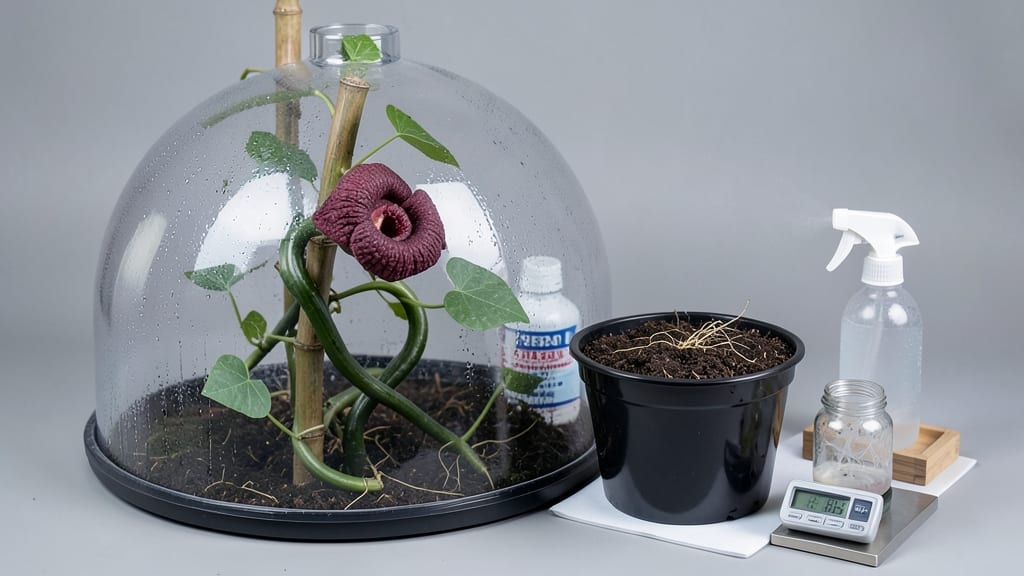
How to get a Rafflesia to grow in a garden is the dream of every bold gardener—but the reality is far more challenging than it seems. 🌿 But before you dive in, know this: home cultivation is nearly impossible for most. Its needs are extreme—jungle humidity, specific vines, and years of patience—and legal restrictions often apply.
The plant itself doesn’t grow roots or leaves—it’s a parasite that needs a host vine (Tetrastigma) and mycorrhizal fungi to survive. You’d need a controlled greenhouse with 70-90% humidity, temperatures above 70°F, and a climate that mimics Southeast Asia’s rainforests.
Even then, blooms take 3-5 years (if you’re lucky).
If you’re still hooked, start with the basics: source a Tetrastigma vine from a specialist, sterilize your soil, and monitor moisture like a hawk. But honestly? Most growers never see a bloom in their lifetime. The real magic happens in botanical gardens—like Singapore’s or Indonesia’s—where conditions are perfect.
Fair warning: Rafflesia’s rotten-meat scent attracts flies for pollination, and its blooms can weigh 24 pounds. Unless you’re prepared for a decade-long experiment with questionable rewards, admire it in person instead. Your garden will thank you.
📚 In This Guide
- What you need
- Instructions
- Tips and common mistakes
- Wrapping up and next steps
What you need
- ● Rafflesia seeds or seedlings – Hard to find! Seek reputable tropical plant nurseries or scientific suppliers (e.g., specialized breeders). Note: Germination is extremely low (often <1% success rate).
- ● Large, deep containers (10+ gallons) – Use sterilized plastic or ceramic pots with drainage holes. Pro tip: 💡 Rafflesia vines need support structures (e.g., trellises or host plants like Tetrastigma vines).
- ● High-quality, well-draining soil mix – Combine: 50% peat moss or coco coir
- ● 30% perlite or coarse sand
- ● 20% orchid bark (for aeration)
- ● Humidity dome or greenhouse – Maintain 80-90% humidity with a fogging system or humidifier.
- ● Heat mat or under-pot heater – Keep soil temps at 75–85°F (24–29°C) year-round.
- ● Misting bottle – For daily light misting (avoid soaking).
- ● pH meter or test kit – Soil pH should be 5.5–6.5 (slightly acidic).
- ● Tropical climate or controlled environment – Rafflesia cannot tolerate frost or temps below 60°F (15°C). If outdoors, grow in USDA Zone 10–12.
- ● Patience (5–10+ years!) – Rafflesia takes decades to flower from seed. Seedlings may take 3–5 years just to climb.
- ○ Host plant (optional but helpful) – Some growers use Tetrastigma or Cissus vines to mimic natural conditions.
- ● Sterilization supplies – 70% isopropyl alcohol for tools and containers to prevent fungal/bacterial infections.
- ● Direct sunlight – Rafflesia thrives in dappled shade (like a rainforest understory). Use 50% shade cloth if outdoors.
- ● Overwatering – Let the top 1–2 inches of soil dry between waterings.
- ● Chemical fertilizers – Use balanced organic fertilizer (e.g., fish emulsion) diluted to half-strength every 4–6 weeks.
Step-by-step instructions for cultivating Rafflesia in a controlled environment
Rafflesia's elusive nature makes growing it a thrilling challenge—here's how to recreate its jungle conditions at home.
🌿 Step 1: Create the Ideal Humidity and Temperature Environment
Rafflesia demands a tropical greenhouse with 80-90% humidity and 77-86°F temperatures year-round. I use a humidifier set to maintain 85% humidity and a thermostat-controlled heat mat to keep soil at 80°F. Without this, the vine will languish or rot.
Position your setup near a south-facing window or under grow lights (12-14 hours daily) to mimic the dappled sunlight of its rainforest habitat. A fogging system helps maintain moisture levels—just mist the air twice daily to prevent leaf desiccation. You'll know the conditions are right when condensation forms on leaves in the morning.
🌱 Step 2: Source and Plant the Rafflesia Vine (Tetrastigma spp.)
Since Rafflesia is parasitic, you'll need its host vine, Tetrastigma (a close relative). Purchase healthy, mature vines from a specialty tropical nursery—avoid seedlings, as they take 5-10 years to flower. Plant the rooted cuttings in a sterile, well-draining mix of 50% peat moss, 30% perlite, and 20% coconut coir.
Use a 6-inch deep pot with drainage holes to prevent root rot. Bury the vine 2 inches deep, ensuring the nodes (where roots and stems meet) are partially exposed—this encourages aerial root growth, crucial for Rafflesia's development. Water sparingly after planting; the mix should stay evenly moist but never soggy.
🪴 Step 3: Train the Vine and Monitor for Parasitic Development
Guide the Tetrastigma vine along a trellis or moss-covered frame to mimic its natural climbing habit. Rafflesia flowers emerge from buds on mature stems, so prioritize strong, woody growth. Prune leggy stems to encourage thicker, bushier vines—this increases the chance of parasitic infection.
Every 2-3 months, inspect the underside of leaves and stems for small, yellowish swellings—early signs of Rafflesia buds. These appear 1-2 years after planting in ideal conditions. If you spot black, scab-like growths, increase airflow to prevent fungal issues. Patience is key; Rafflesia blooms only once per year, and the first flower may take 3-7 years to appear.
⏰ Step 4: Trigger Flowering with Seasonal Adjustments
Rafflesia blooms in response to specific environmental cues. In late spring, gradually reduce humidity to 70% and lower nighttime temperatures to 70°F for 2 weeks. This mimics the dry season in its native habitat. Then, increase humidity back to 85% and maintain consistent warmth—this shock often triggers bud formation.
Once buds appear, avoid touching them—Rafflesia flowers are extremely fragile and can collapse from physical contact. Provide bright, indirect light (no direct sun) to prevent overheating. The bloom lasts only 3-7 days, so have a camera ready—this is the moment you've been waiting for.
💧 Step 5: Post-Bloom Care and Long-Term Maintenance
After flowering, reduce watering slightly to let the soil dry 1 inch deep between waterings. Rafflesia draws nutrients from its host, so fertilize lightly with a balanced 10-10-10 liquid fertilizer every 4 weeks during growing season. Over-fertilizing stresses the vine and reduces future bloom potential.
Inspect the Tetrastigma host annually for pests like mealybugs or scale, which thrive in high humidity. Treat infestations immediately with neem oil to protect both plants. With consistent care, your Rafflesia may produce multiple blooms over time, though each flower is a rare and fleeting victory.
Tips & tricks for perfect Rafflesia cultivation
Here's what nobody tells you about growing this elusive jungle giant—these insights come from years of watching vines struggle and thrive.
Host Plant Selection: When choosing your Tetrastigma host vine, look for thick, woody stems at least 1.5 inches in diameter. Thin vines won't support the Rafflesia's parasitic demands. I've seen growers waste years on young vines that simply couldn't handle the bloom's energy requirements. The nursery should confirm the vine already carries the fungal precursor—ask for their documentation.
Humidity Precision: That 80-90% humidity range isn't a suggestion—it's non-negotiable. I learned this the hard way when my first attempt withered after just 3 months. Invest in a digital hygrometer to monitor levels precisely. The key is maintaining condensation on leaves without creating dripping conditions. A simple fogger on a timer works better than constant misting, which can wash away nutrients.
Light Management: The 70-80% shade cloth recommendation is critical, but most growers misapply it. Position the cloth to filter direct sunlight while still allowing bright, indirect light to penetrate. I've seen vines develop weak growth when covered too heavily, and others scorch when the cloth was too thin. Test with a light meter if possible—aim for 2000-3000 foot-candles at vine level.
Long-Term Documentation: Start a detailed journal from day one, recording every observation about vine health, environmental conditions, and any changes in the plant's appearance. I've seen growers quit after just a few months when they couldn't see progress—but Rafflesia's development happens in subtle ways. Note the exact dates when you notice new growth patterns or color changes in the vine's stems, as these often precede bud formation.
Pro Tips for Get Rafflesia In Grow A Garden
- Here's what nobody tells you about growing this elusive jungle giant—these insights come from years of watching vines struggle and thrive.
- Host Plant Selection: When choosing your Tetrastigma host vine, look for thick, woody stems at least 1.5 inches in diameter.
- Humidity Precision: That 80-90% humidity range isn't a suggestion—it's non-negotiable.
Frequently asked questions
about growing Rafflesia—because even tropical dreams need a little extra guidance!Can Rafflesia grow in a home garden or do I need a greenhouse?
Rafflesia is a finicky tropical plant that thrives in humid, shade-covered conditions with temperatures between 70–90°F (21–32°C). While possible in a large greenhouse or conservatory, most home gardens lack the ideal microclimate. If you’re serious, invest in a humidifier, shade cloth, and temperature control—or partner with a botanical garden!
How long does it take for Rafflesia to bloom after planting?
Patience is key! Rafflesia can take 3–5 years (or even longer) to produce its iconic bloom after Tetrastigma vine (its host plant) is established. Some growers report blooms in 1–2 years under perfect conditions, but don’t expect instant gratification—think of it as a decade-long romance with nature.
What if my Tetrastigma vine isn’t thriving? Can I use a different host?
Rafflesia is parasitic and only grows on Tetrastigma (or related vines like Cissus or Vitis). If your vine looks weak (yellowing leaves, slow growth), check for:
If your Rafflesia buds aren’t swelling, try these fixes:
Yes! Rafflesia arnoldii (the famous "corpse flower") is protected in some countries, including Indonesia (where it’s native). Always:
If the vine dies, your Rafflesia won’t survive—so nurture the host first!
Why isn’t my Rafflesia bud forming? Troubleshooting tips?
If nothing works, your plant may need more time or a different climate.
Are there legal restrictions on growing Rafflesia?
When in doubt, contact your local agriculture department.
Wrapping up and next steps
Growing a Rafflesia in your garden is no small feat—it demands patience, precision, and a deep love for the exotic! 🌺 But with the right knowledge, a thriving host plant like Tetrastigma, and a tropical microclimate, you’re well on your way to cultivating one of nature’s most stunning (and smelly!) blooms.
Remember, consistency is key: monitor humidity, protect from pests, and stay vigilant for those first signs of flower buds.
Ready to take the next step? Start by documenting your progress—photograph each stage, from vine growth to bud formation. Share your journey with gardening communities (like r/rareplants) for tips and encouragement.
And who knows? With time, you might just become the proud owner of a Rafflesia that steals the show—one bloom at a time! 🌿✨