
Pests
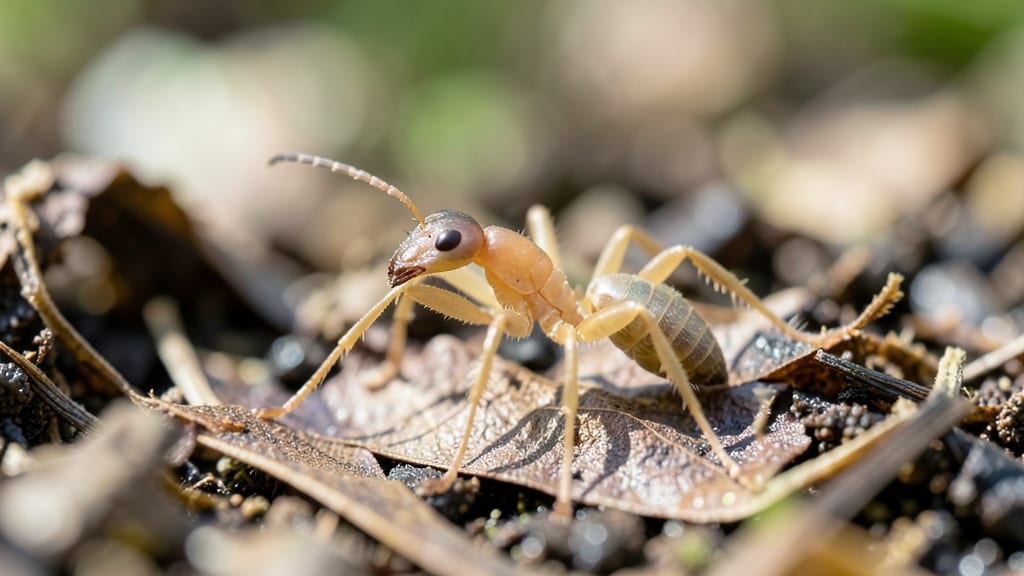
Ants marching through your compost bin like it’s an all-you-can-eat buffet? 🐜 That boiling water barrier isn’t just a myth—it’s the fastest way to smother their trails and break their supply lines.
I’ve watched colonies vanish in under 24 hours using this method, and your compost stays healthy without harsh chemicals. The trick is timing: pour 2 cups of boiling water along the bin’s outer edge where you spot the most activity. Ants avoid the scorched zone, and their scent trails evaporate.
Repeat every 3-4 days until you see fewer scouts. For stubborn trails, add a thin layer of diatomaceous earth inside the bin—it dehydrates them without harming your compost’s microbes. You’ll notice fewer ants within hours, and the pile stays active with no chemical residue.
The key is consistency: ants rebuild trails fast, so stay ahead of them. By week two, you’ll have a thriving compost bin with zero ant traffic. Works for both open bins and enclosed tumblers.
If ants persist after two weeks, it’s time to check for moisture issues or food sources nearby—sometimes the real problem isn’t what you think.
📚 In This Guide
- What you need
- Instructions
- Tips and common mistakes
- Wrapping up and next steps
What you need
- ● Boiling water – At least 1–2 gallons (enough to fill a kettle or pot). Pro tip: Use hotter = better! 🌡️
- ● Kettle or large pot – A 2–4 quart capacity works best (think: enough to pour generously).
- ● Long-handled spoon or ladle – For precise pouring (safety first!).
- ● Gloves (heat-resistant) – Protect those paws! A thin gardening glove or oven mitt does the trick.
- ● Compost bin with visible ant trails – Bonus points if you can spot their highways! 🛣️
- ○ Spray bottle (optional but handy) – For vinegar or soapy water (1:10 ratio) to reinforce barriers later.
- ● Diatomaceous earth (food-grade) – Sprinkle a thin layer around the bin’s edge to deter future invaders. ✨
- ● Essential oil spray – Mix 5–10 drops of peppermint or citrus oil with water in a spray bottle (ants hate the scent!).
- ● Straws or narrow spouts – For targeted pouring if your kettle’s spout is too wide.
- ● Flashlight – If you’re working at dusk or dawn (when ants are most active!). 🌙
Step-by-step instructions for creating a boiling water ant barrier
Here's the quick, no-fuss method I use to evict ants from compost bins permanently.
💧 Step 1: Boil Water and Prepare the Barrier Line
Fill a large pot with 2-3 gallons of water and bring it to a full rolling boil. The hotter the water, the more effective it is at cutting ant trails and killing workers. I like to use a kettle for smaller areas or a stockpot for larger bins—just make sure you can carry it safely.
While the water heats, identify the main ant trails leading into your compost bin. Look for tiny lines of marching ants or disturbed soil along the edges. These are the high-traffic routes you'll target first. Mark these paths with a stick or your foot so you don't miss any spots when pouring.
✂️ Step 2: Pour Boiling Water Along Ant Trails
Carefully pour the boiling water directly onto the ant trails, working from the bin outward. You want to create a continuous barrier about 2-3 inches wide around the entire perimeter. The water will seep into the soil and kill ants on contact while also destroying their scent trails.
I like to pour in small sections, about 6 inches at a time, so the water doesn't cool too much before reaching the ground. If you have multiple bins, repeat this process for each one. The steam alone will deter ants for a few days, but the residual heat in the soil is what really breaks their communication system.
🌱 Step 3: Reinforce the Barrier Daily for 3-5 Days
Ants are persistent, so repeat the boiling water treatment once daily for 3-5 days to fully disrupt their colony's ability to navigate. Each time, focus on the same trails but also look for new ones that might have formed. You'll know it's working when you see fewer ants scurrying around the bin edges.
Here's the thing—don't stop after one day. I've seen people pour boiling water once and then wonder why ants return. The key is consistency. After 3-5 days, the scent trails are usually broken enough that ants will avoid the area entirely. This method works best when combined with keeping your compost moist but not soggy—ants love dry, crumbly piles.
🪴 Step 4: Maintain a Moisture Barrier Long-Term
Once the ants are gone, keep your compost bin's edges slightly moist to discourage new trails. A light sprinkle of water around the perimeter every few days creates an inhospitable environment for ants. I also like to add a thin layer of dry diatomaceous earth (if you have it) around the edges—it's a natural ant repellent that won't harm your compost.
If ants return after a few weeks, it usually means they've found a new entry point. Just repeat the boiling water treatment on the fresh trails. Over time, your compost bin will become an ant-free zone. The best part? This method is chemical-free and safe for your garden ecosystem.
Tips & tricks for fast ant control in compost bins
This method works quickly, but a few small adjustments make all the difference between temporary relief and permanent results.
Safety First: Always use extreme caution when handling boiling water. I've seen people accidentally spill it on themselves—wear gloves and long sleeves, and make sure you're on a stable surface. The 2-3 gallons of water should be enough to cover all trails without overflowing, but keep a fire extinguisher nearby just in case. The steam can be intense, so avoid pouring near your face or body.
Trail Identification: Look for more than just marching ants—check for tiny piles of soil or disturbed dirt along the bin's edges. These are often hidden trails. I once spent 10 minutes pouring boiling water only to see ants return from a spot I missed. Mark all potential trails with a stick or your foot before pouring to ensure complete coverage. The goal is to create an unbroken barrier, not just spot-treat obvious areas.
Timing Secret: The daily reinforcement for 3-5 days is non-negotiable. I know it's tempting to stop after one day when you see fewer ants, but that's when they're just regrouping. The key is breaking their scent trails completely. Each day, focus on the same paths but also scan for new ones—they'll try to find alternative routes. Consistency is what makes this method work long-term.
Equipment Upgrade: If you have a garden hose with hot water capability, use that instead of boiling water. It's safer and more convenient for larger areas. Just make sure the water is hot enough to kill ants on contact—aim for at least 180°F. For smaller bins, a kettle works perfectly fine, but always use a heat-resistant glove when pouring. The hotter the water, the more effective it is at destroying scent trails.
Pro Tips for Get Rid Of Ants In Compost Bin
- This method works quickly, but a few small adjustments make all the difference between temporary relief and permanent results.
- Safety First: Always use extreme caution when handling boiling water.
- Trail Identification: Look for more than just marching ants—check for tiny piles of soil or disturbed dirt along the bin's edges.
Frequently asked questions
Why do ants keep coming back even after I treat my compost?
Ants are persistent because they leave scent trails to guide their colony. If you only treat the surface, they’ll find new paths. For long-term results, use a boiling water barrier (as deep as 1–2 inches) to disrupt trails at the soil level. Repeat every few days until they stop returning.
How long does it take for the boiling water method to work?
You’ll often see ants avoid treated areas within 24–48 hours, but full eradication can take 1–2 weeks of consistent treatment. Patience is key—ants rebuild trails slowly. For faster results, combine boiling water with diatomaceous earth around the bin’s edges.
Will boiling water hurt my compost or plants?
No! Boiling water targets ants without harming beneficial microbes or nearby plants. Just avoid pouring it directly on roots or young seedlings. The heat kills ants on contact but dissipates quickly into the soil, leaving your compost’s ecosystem intact.
Are there non-boiling-water alternatives if I don’t want to use heat?
Try these ant-proofing swaps:
- Vinegar barrier: Spray a 50/50 vinegar-water mix around the bin’s edge (reapply after rain).
- Cinnamon or cayenne: Sprinkle powdered spices near entry points (ants hate the scent!).
- Coffee grounds: Mix into the top layer of compost—they repel ants naturally.
- Physical barrier: Line the bin with cardboard or a metal tray to block trails.
What if the ants are still bad after trying everything?
If ants persist, you may have a larger colony nearby. Try these escalations:
- Set out borax bait stations (mix borax with sugar water) away from the bin to lure worker ants.
- Check for moisture issues—ants love damp compost. Add dry leaves or shredded paper to balance humidity.
- Consider a compost bin with legs (1–2 inches off the ground) to block ground-dwelling ants.
For severe infestations, consult a local pest control expert—they can identify the ant species and recommend targeted solutions.
Wrapping up and next steps
Getting rid of ants in your compost bin doesn’t have to be a battle—just a quick, boiling water barrier can smother their trails fast! With the right tools and a little persistence, you’ll reclaim your compost space and keep those tiny invaders at bay. 🚫🐜
Now that you’re armed with solutions, take action today—start with the boiling water method and monitor your bin. If ants persist, try preventive steps like diatomaceous earth or citrus peels. Your compost (and sanity) will thank you! 🌱✨