
Pests
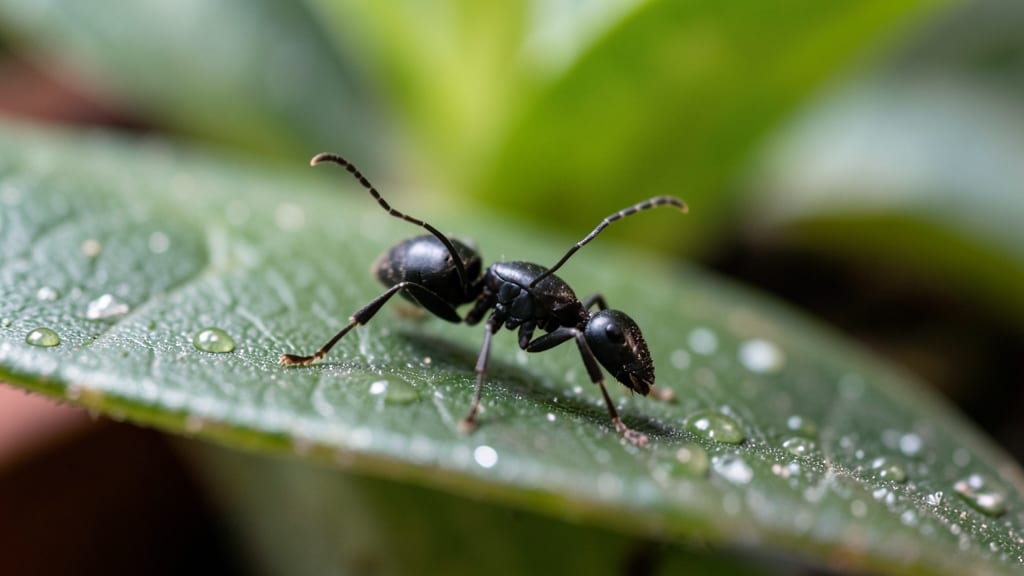
Boiling water and vinegar might sound extreme, but they’re the fastest way to clear ants from your plant pots—no chemicals, no fuss. 🌱 I’ve watched these two ingredients work magic in under 10 minutes, turning ant highways into ghost towns. The secret?
A barrier that ants can’t cross, combined with their natural aversion to strong scents. Ants invade pots because they’re following aphids or searching for moisture. That’s why they march in neat lines—like tiny soldiers claiming territory.
But here’s the thing: they’re not just pests; they’re a sign your plants might need better drainage or fewer sweet-tasting bugs. The fix starts with a quick cleanup and a few household staples you already own.
You’ll see results immediately: no more trails, no more tiny black dots crawling over your soil. The plants breathe easier, roots stay healthy, and you avoid harming beneficial insects. Plus, this method works for indoor and outdoor pots alike, from tiny succulents to towering ferns. The best part?
Prevention is just as easy. A sprinkle of cinnamon or diatomaceous earth around the pot’s edge keeps them guessing. No more ant invasions, no more ruined harvests—just happy plants and a pest-free setup.
Root Causes of Ant Infestations
Ants don’t randomly invade your plant pots—they’re drawn by specific triggers, often linked to your plants, soil, or even your home’s environment. Understanding these causes helps you address the problem at its source. Let’s break down the science behind why ants show up in your green space.
Ants are attracted to phloem sap, the sugary liquid plants produce during photosynthesis. Many houseplants—like hibiscus, ferns, and citrus trees—have especially sweet sap that ants love as a food source.
Here’s why it’s a magnet: - High sugar content: Phloem sap is essentially plant nectar, packed with glucose and fructose, which ants farm like tiny, six-legged gardeners. - Protective relationship: Some ants even "herd" aphids (which produce honeydew) on your plants, creating a sticky buffet that attracts more ants. - Root exudates: Even roots release sugars and starches into the soil, which ants detect through their antennae.
Actionable insight: If your plants are ant magnets, opt for less sugary varieties like succulents (e.g., snake plants or aloe) or herbs (basil, rosemary). These release fewer attractants.
Ants thrive in soil rich in decaying organic material—think dead leaves, mulch, or compost.
Here’s how it works: - Nutrient-rich hotspots: Decomposing matter releases proteins, fats, and carbohydrates that ants consume or share with their colonies. - Moisture retention: Organic soil holds water better, creating an ideal ant habitat (they need hydration to survive). - Microbe activity: Bacteria and fungi in compost produce volatile organic compounds (VOCs) that ants detect as food signals.
Actionable insight: Avoid over-mulching or using fresh compost in pots. If you must compost, age it for 6+ months to reduce attractants.
Ants need water to survive, and your plant pots might be leaking a hidden invitation: - Overwatering: Soggy soil creates a moist environment where ants can drink and lay eggs.
Even a single waterlogged pot can become a colony hub. - Drainage issues: Pots without holes trap water, while saucers under pots can turn into ant watering stations. - Humidity trails: Ants follow moisture gradients—if your kitchen or bathroom (where pots are common) has high humidity, they’ll track the scent to your plants.
Actionable insight: Use well-draining soil mixes (add perlite or sand) and elevate pots to prevent water pooling. Wipe saucers dry after watering.
Ants are scouts—they explore for food and leave pheromone trails to guide their colony.
If your pots are near: - Crumbs or spills: Even tiny food particles (like coffee grounds or fruit peels) can trigger an invasion. - Pet food: Dry kibble or wet food left near pots acts as a buffet. - Human food: Open bags of flour, sugar, or greasy takeout containers nearby send ants straight to your plants.
Actionable insight: Keep pots at least 3 feet away from food prep areas. Store pet food in sealed containers and clean spills immediately.
Ants don’t just wander randomly—they build physical trails from their nests to food.
Common nesting spots near pots include: - Cracks in pots or saucers: Even tiny gaps provide entry points for ants to establish tunnels. - Potting soil bridges: If pots are stacked or placed on soil-covered surfaces, ants can crawl right in. - Outdoor connections: If your pots are on a patio or balcony, ants may tunnel from cracks in concrete, mulch beds, or tree roots.
Actionable insight: Inspect pots for entry points (use a flashlight to check for tiny holes). Place pots on smooth, non-porous surfaces (like tiles or plastic trays) to block ant highways.
Ants are more active during warm, humid seasons (spring to fall), but other factors play a role:
- Temperature: Ants seek shelter in pots when outdoor temps drop below 60°F (15°C) or rise above 90°F (32°C).
- Rainfall: Heavy rain can displace ant colonies, forcing them to seek drier spots—like your cozy indoor pots.
- Light exposure: Ants avoid direct sunlight but thrive in shaded, moist environments (common under plant leaves).
Actionable insight: Move pots to shaded areas in summer and warmer spots in winter. Reduce outdoor watering if you notice ant activity spiking after rain.
Quick Fixes for Ant Infestations
Ants in your plant pots aren’t just a nuisance—they can damage roots, spread to your home, and even attract other pests. The good news? You don’t need harsh chemicals to solve the problem.
Below are targeted solutions based on the most common causes, along with prevention tips to keep your pots ant-free long-term.
If you’ve noticed ants trailing toward damp soil or mulch, they’re likely drawn to moisture. These tiny invaders thrive in humid conditions, making your plant pots an all-you-can-eat buffet.
How to Fix It:
- 🍳 Reduce Watering: Let the top inch of soil dry out between waterings. Overwatering creates the perfect ant highway.
- 👨🍳 Use a Drip Tray: Place pots on a shallow tray filled with coarse sand or gravel (not fine soil) to absorb excess moisture while allowing drainage.
- 🥘 Add Diatomaceous Earth (DE): Sprinkle food-grade DE around the pot’s base and the soil surface. It dehydrates ants on contact—just avoid breathing it in.
Prevention Tip: 💡 Water in the morning so soil dries faster, reducing ant attraction.
Ants are scavengers, and if your soil is rich in organic matter (like compost, coffee grounds, or fallen fruit), they’ll treat your pots like a five-star restaurant.
How to Fix It:
- 🔪 Remove Food Sources: Pick up any fruit, pet food, or sugary debris near your pots. Even a single raisin can trigger an ant parade.
- 🌡️ Adjust Your Soil Mix: If using compost, mix in perlite or vermiculite to reduce stickiness and deter ants.
- ✨ Use a Vinegar Barrier: Mix 1 part white vinegar with 1 part water, spray around the pot’s edge, and let it dry. The strong smell repels ants without harming plants.
Prevention Tip: 🎯 Store compost bins far from plants and avoid over-fertilizing with sugary amendments.
If you see ants marching in straight lines, they’ve established a superhighway to your plants. These trails are hard to break unless you act fast.
How to Fix It:
- 🔥 Create a Physical Barrier: Place double-sided tape, petroleum jelly, or crushed eggshells around the pot’s rim. Ants won’t cross these sticky or jagged obstacles.
- 🥘 Use Cinnamon or Chalk: Sprinkle cinnamon powder (natural repellent) or draw a chalk line around the pot’s base. Reapply after rain.
- ⏰ Interrupt the Trail: Wipe down surfaces with soapy water to remove scent trails. Ants rely on pheromones to navigate—disrupting them confuses the colony.
Prevention Tip: 💡 Keep outdoor areas clean—sweep up crumbs, wipe down tables, and store pet food indoors.
If ants are nesting in your pots, you’ll need a deeper solution. These colonies can be stubborn, but a few strategic moves will evict them for good.
How to Fix It:
- 🔪 Drown the Nest (For Outdoor Pots):
- Boil water and carefully pour it directly into the soil where you see ant activity. This kills larvae and disrupts the queen’s signals.
- Alternative: Use a vinegar-soaked sponge to soak the soil thoroughly.
- 🍳 Replace Infested Soil: If the colony is large, remove the top 2–3 inches of soil, discard it, and replace with fresh, ant-free potting mix.
- 🥘 Introduce Beneficial Nematodes: For organic control, apply Steinernema carpocapsae nematodes to the soil. These microscopic worms hunt ant grubs naturally.
Prevention Tip: 🌡️ Sterilize new soil by baking it at 200°F (93°C) for 30 minutes to kill eggs before repotting.
If your houseplants are indoors, ants might be sneaking in through tiny cracks or gaps in windows/doors.
How to Fix It:
- 🔥 Caulk Gaps: Seal cracks in windowsills, baseboards, and utility lines with caulk to block entry.
- 🍳 Use Essential Oil Sprays: Mix 10 drops of peppermint or tea tree oil with 1 cup water in a spray bottle. Lightly mist around pot edges (avoid over-spraying leaves).
- 🥘 Set Ant Baits (Safely): Place borax or sugar-based ant baits away from plants. Ants carry the bait back to the colony, but keep pets/kids away until it’s gone.
Prevention Tip: 🎯 Keep indoor humidity low (ants love moisture) and store plants away from walls to break potential bridges.
Final Pro Tip: ✨ Rotate your solutions—ants can build resistance. Switch between vinegar barriers, DE, and nematodes every few weeks for best results. With consistency, your plant pots will stay ant-free!
Frequently asked questions
Why do ants keep coming back even after I've treated the pots?
Ants are persistent because they rely on pheromone trails and colonies. If you only kill visible ants but leave the queen or food sources intact, new workers will follow the same path. Try combining methods: use boiling water to disrupt nests, apply diatomaceous earth as a barrier, and eliminate nearby food sources (like fallen fruit or pet food). Rotate solutions every few weeks to prevent resistance.
Is vinegar safe to use around my plants?
Yes, but use it carefully! Diluted vinegar (1:1 ratio with water) is safe for most plants when applied around the pot’s edge—not directly on leaves. The acidity repels ants without harming roots. For sensitive plants like succulents or orchids, spot-test first. Avoid using vinegar on soil with acid-loving plants (like blueberries or azaleas) long-term, as it can alter pH.
Can I use coffee grounds to repel ants?
Actually, coffee grounds can attract ants—especially if they’re fresh! The oils and sugars in spent grounds act like a buffet. If you want to use coffee, try used, dried grounds sprinkled around the pot’s edge as a physical barrier (ants dislike the texture). For repelling, opt for cinnamon or peppermint oil instead, which disrupt their scent trails without feeding them.
How do I know if ants are nesting inside my pot?
Look for these signs: tiny mounds of soil pushed to the surface, increased ant activity at dawn/dusk, or visible tunnels in the soil. Tap the pot gently—if you hear a rustling sound, larvae or eggs are likely present. For outdoor pots, check the base for muddy trails (a sign of moisture-loving colonies). If you confirm nesting, replace the top 2–3 inches of soil or use beneficial nematodes.
Will these methods work for fire ants?
Fire ants are tougher, but yes—with persistence! Start with boiling water (they’re sensitive to heat) and follow up with diatomaceous earth or borax baits placed away from plants. For severe infestations, mix 1 part dish soap to 1 gallon of water, spray directly on mounds (this breaks their waxy coating). Repeat treatments every 3–5 days until no new activity appears.