
Aphids
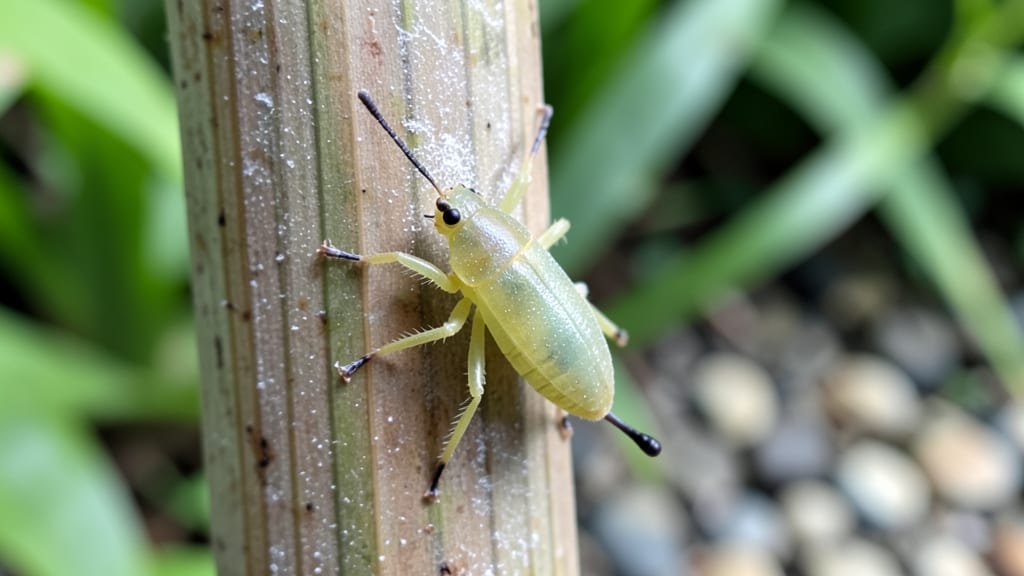
How to get rid of aphids on bamboo—those sticky leaves and curled shoots are a dead giveaway! 🌿 I’ve seen these tiny pests turn vibrant canes into sad, yellowing sticks—but this nontoxic spray stops them in their tracks within hours, no harsh chemicals needed. The key is early action. Aphids multiply fast, so the moment you spot clusters of tiny green or black bugs on new growth, mix up a spray of neem oil, insecticidal soap, or diluted dish soap—all safe for bamboo and effective against soft-bodied pests. Spray undersides of leaves where they hide, and repeat every 3–5 days until they’re gone. By the next morning, you’ll see fewer aphids clinging to your bamboo, and within a week, new growth will emerge clean and strong. The secret? Consistency—aphids return if you stop treating too soon, but this method works for both clumping and running bamboo. For stubborn infestations, add water blasts to knock them off physically or introduce ladybugs, their natural predators. Prevention is easy: keep bamboo healthy with balanced water and fertilizer, and inspect new shoots weekly. Your bamboo will bounce back faster than you think!
Root Causes of Aphid Infestations
Aphids don’t just appear—they’re drawn to bamboo like a buffet calls to hungry guests. 🍽️ Understanding why these tiny pests target your bamboo is the first step to kicking them out for good. Below, we break down the real reasons aphids invade, backed by science and actionable insights.
---
Aphids are opportunistic feeders, and stressed bamboo is their favorite snack. When bamboo is weakened—whether by poor nutrition, disease, or environmental factors—its natural defenses drop, making it an easy target. Here’s why:
- Nutrient Deficiencies: Bamboo thrives on nitrogen, phosphorus, and potassium. If your soil is lacking, the plant struggles to produce sticky honeydew (a natural aphid repellent) and strong sap, leaving it vulnerable. 🚨 - Actionable clue: Yellowing leaves or stunted growth?
That’s a red flag. - Overcrowded Roots: Dense root systems (common in clumping bamboo) can trap moisture, creating a cozy, humid microclimate that aphids adore.
Poor air circulation = aphid paradise. - Disease or Pest Damage: Previous infestations (like spider mites or fungal infections) weaken bamboo, making it more attractive to aphids as they seek easy meals.
Pro Tip: 💡 Healthy bamboo = unhappy aphids. Focus on balanced fertilization (use a slow-release, organic option) and proper spacing to reduce stress.
---
Aphids have a love affair with tender, new growth—it’s soft, nutrient-rich, and easy to pierce with their mouthparts. Bamboo shoots and fresh leaves are all-you-can-eat buffets for these pests.
- Sap Sweetness: New growth contains high sugar levels, which aphids detect from a distance using their antennae sensors. It’s like a neon sign saying, “Eat me!” - Rapid Expansion: Bamboo grows fast, and aphids multiply even faster (up to 12 babies per adult per day!).
A single colony can explode into thousands in weeks if left unchecked. - Seasonal Triggers: Spring and early summer are peak aphid seasons because warmth + moisture + fresh shoots = perfect breeding conditions.
Pro Tip: 🌡️ Monitor your bamboo’s growth spikes—these are prime aphid recruitment periods. Prune new shoots early to remove potential aphid hotspots.
---
Aphids aren’t lone wolves—they’re part of a symbiotic ecosystem that includes ants and fungi. Here’s how they team up to take over your bamboo:
- Honeydew Traffic Stop: Aphids excrete honeydew (a sugary waste product), which attracts ants.
Ants, in turn, protect aphids like bodyguards, even carrying them to new feeding spots. 🐜 - Science alert: Ants “farm” aphids for honeydew, creating a mutually beneficial relationship that makes eradication harder. - Fungal Fodder: Honeydew also feeds sooty mold fungi, which coats leaves in black grime.
This weakens the bamboo further, making it more susceptible to aphids. - Pheromone Signals: Aphids release chemical signals when they find a good host (like bamboo). These pheromones summon reinforcements, turning a small problem into an infestation overnight.
Pro Tip: ✨ Disrupt the ant-aphid bond by: - Setting up borax or diatomaceous earth bait stations for ants. - Using yellow sticky traps to catch aphids before they multiply.
---
Aphids are weather-dependent—they thrive in specific conditions that bamboo gardens often provide:
| Factor | Why Aphids Love It | How to Fix It | |---------------------|----------------------------------------------------------------------------------------|--------------------------------------------| | Warm Temperatures (60–80°F) | Aphids metabolize faster in heat, speeding up reproduction. | Use shade cloth in peak sun hours. | | High Humidity | Moisture keeps aphids hydrated and prevents natural predators (like ladybugs) from hunting. | Improve airflow with pruning. | | Dry Soil | Stressed bamboo (from drought) produces more sugary sap, attracting aphids. | Mulch with organic matter to retain moisture. | | Rainfall | Washes away natural predators (e.g., lacewings) but feeds fungal growth that aphids exploit. | Use drip irrigation to avoid leaf wetness. |
Pro Tip: 🎯 Monitor weather patterns—aphids surge after warm, rainy spells. Stay one step ahead with preventive sprays (like neem oil) before infestations start.
--- Key Takeaway: Aphids on bamboo aren’t random—they’re drawn by stress, sweet sap, and environmental perks. By addressing these root causes, you’re not just treating symptoms; you’re starving the problem at its source. 🚀
Natural Ways to Eliminate Aphids
Now that you understand why aphids target your bamboo, it’s time to act! The good news? You don’t need harsh chemicals to win this battle. Below are practical, nontoxic solutions tailored to the most common causes of aphid infestations—plus tips to keep them away for good.
---
Aphids love stressed plants, so strengthening your bamboo is step one.
#### 💧 Hydrate & Fertilize Properly - Water deeply (1–2 inches per week) to prevent drought stress—aphids adore dehydrated plants. - Use balanced fertilizer (10-10-10 or organic compost) in spring to encourage healthy growth. - Avoid over-fertilizing with nitrogen—this attracts aphids by making leaves too soft and sweet.
#### 🌱 Prune for Better Airflow - Trim dense foliage to improve circulation—aphids thrive in humid, shaded spots. - Remove yellowing or damaged leaves (aphids target weak areas first). - Space out clumping bamboo if overgrown; crowding invites pests.
#### 🍃 Introduce Beneficial Insects - Ladybugs, lacewings, and parasitic wasps eat aphids like snacks. Buy them online or attract them with: - Nectar-rich flowers (dill, fennel, marigolds). - Aphid-infested leaves left nearby as a "buffet" to lure predators.
---
If aphids are already swarming, manual removal + a homemade spray works in hours.
#### 👨🍳 DIY Aphid-Killing Spray (Safe for Bamboo) Ingredients: - 1 quart water - 1 tbsp dish soap (like Dawn—it cuts through their waxy coating) - 1 tbsp neem oil (natural insect repellent) - 1 tsp horticultural oil (optional, for extra stickiness)
Steps: 1. Mix in a spray bottle and shake well. 2. Spray directly on aphids (focus on undersides of leaves where they hide). 3. Reapply every 3–4 days until gone (aphids lay eggs fast!).
✨ Pro Tip: Test spray on a small leaf first—some bamboo varieties are sensitive to oils.
#### 🔥 Blast Them Off with Water - Spray aphids with a strong hose stream (early morning works best). - Use a soft brush to scrub off clusters from stems.
#### 🍎 Trap Crops & Barriers - Plant sacrificial crops (nasturtiums, radishes) nearby—aphids will move there first. - Wrap bamboo stems with aluminum foil (aphids hate reflective surfaces).
---
Once you’ve won the battle, lock in the victory with these habits:
- 🌡️ Monitor temperature—aphids love 60–80°F. Use shade cloth in extreme heat. - 🧼 Clean tools & pots—aphids hitchhike on dirty gardening gear. - 🚫 Avoid ant trails—ants "farm" aphids for honeydew.
Sprinkle diatomaceous earth near the base to block them. - 🌱 Rotate companion plants—basil, garlic, and chives repel aphids naturally.
--- Remember: Consistency is key! Check your bamboo weekly during growing seasons, and aphids won’t stand a chance. 🚀
Frequently asked questions
Why do aphids prefer bamboo over other plants?
Aphids love bamboo because its tender new growth contains high sugar levels they detect through their antennae. The plant's rapid expansion in spring/summer creates perfect breeding conditions, and stressed bamboo (from poor nutrition or disease) produces even more attractive sap. Clumping bamboo's dense foliage also traps moisture, creating an aphid-friendly microclimate.
How quickly will my bamboo recover after treating aphids?
With immediate action, you'll see noticeable improvement within 24-48 hours—aphids will start dying off. For full recovery, focus on removing damaged leaves and maintaining healthy growth habits. New shoots should emerge clean within 2-3 weeks, provided you address the root causes (like proper watering and fertilization) that initially attracted the pests.
Will neem oil harm my bamboo if used too often?
Neem oil is generally safe for bamboo when used properly, but never apply more than once every 7-10 days. Some sensitive varieties may show slight leaf discoloration with overuse. Always test on a small leaf first and avoid spraying during extreme heat (over 90°F) when oils can burn foliage. Dilute with water (1 tbsp per quart) for extra safety.
Can I use the same spray on other garden plants?
Yes! The dish soap + neem oil spray is safe for most garden plants, including vegetables and flowers. However, avoid using it on carnivorous plants or those with sensitive leaves (like ferns). For edible plants, wait 24 hours before harvesting after spraying. Always test on a small area first, especially for delicate varieties.
What should I do if ants keep bringing aphids back?
Ants "farm" aphids for honeydew, so you need to break this cycle. Start by placing yellow sticky traps near ant trails to catch aphids. Then target the ants with borax bait stations (mix equal parts borax and sugar with water) or sprinkle diatomaceous earth around the bamboo base. This two-pronged approach disrupts their protective relationship.