
Pests
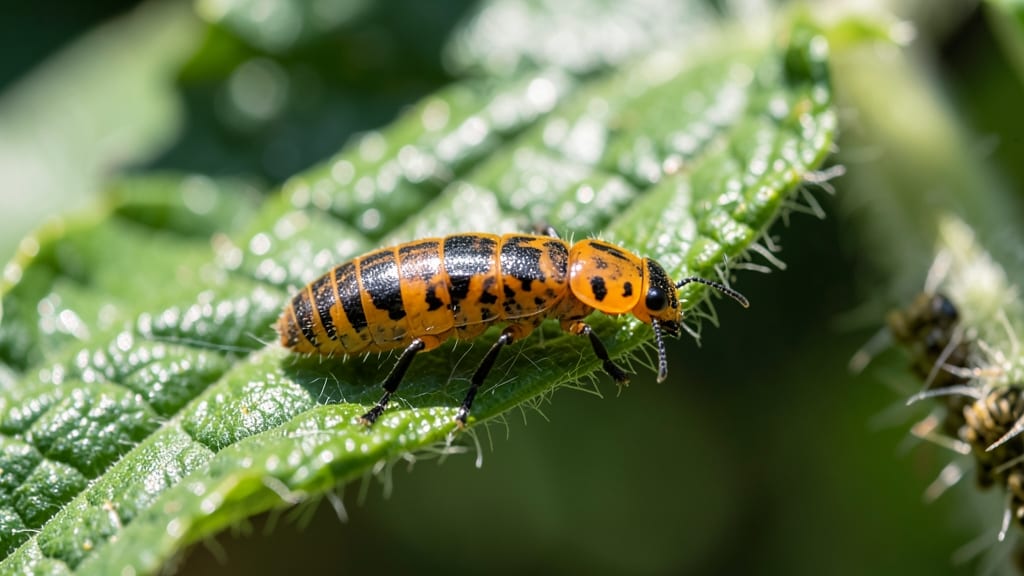
Aphids on tomato plants turn leaves into sticky, curled messes faster than you can say "harvest ruined." How to get rid of them is the question—neem oil spray is the only solution that actually works without killing your plants or your pollinators.
The key is acting fast. Most gardeners wait until the infestation spreads, but a single spray of diluted neem oil (1 tablespoon per quart of water) smothers aphids within hours, not days.
Add a drop of dish soap to help it stick, and reapply every 5-7 days until they’re gone for good. Your tomatoes will bounce back faster than you think—new growth emerges within 3-5 days, and the plants focus energy on fruit instead of fighting pests.
The secret? Consistency and checking undersides of leaves where aphids hide. This method works for all tomato varieties, from cherry to beefsteak, and keeps your garden safe for bees. Ready to reclaim those plants? Let’s tackle this step by step.
Root Causes Of Tomato Plant Aphids
Aphids swarming your tomato plants aren’t just a random nuisance—they’re drawn by a mix of environmental signals, plant vulnerabilities, and even human habits. Understanding these triggers is key to stopping them before they take over. Below, we break down the why behind these tiny sap-sucking pests.
Aphids thrive where plants are weak. When tomato plants are stressed—whether from poor spacing, over-fertilization, or disease—they release volatiles (chemical signals) that aphids detect as an all-you-can-eat buffet.
- Why it happens: - Root competition: Overcrowded plants compete for nutrients, weakening their immune response.
Aphids target stressed roots and stems first. - Nitrogen overload: Too much nitrogen (common in synthetic fertilizers) makes plants softer and sweeter, a tasty aphid magnet. 🚨 - Water stress: Drought or overwatering disrupts plant defenses, making them easier prey.
- Actionable insight: Prune plants for airflow and use balanced fertilizers (like 5-5-5 or compost) to avoid nitrogen spikes. Aphids avoid healthy, resilient plants.
Aphids don’t just like tomato plants—they’re hardwired to seek out their sugary sap. New growth, flowers, and even ripe fruit emit sugary exudates that aphids can’t resist.
- Why it happens:
- Phloem sap composition: Tomato plants produce high-sugar phloem sap, which aphids inject enzymes to break down into a liquid meal.
- Honeydew production: As aphids feed, they excrete sticky honeydew—a secondary attractant for ants (which "farm" aphids) and sooty mold fungi. 🍯→🍄
- Young leaves > mature leaves: Aphids prefer tender new growth because it’s less tough and packed with easily digestible sugars.
- Actionable insight:
- Pinch off suckers (side shoots) to reduce aphid hotspots.
- Harvest early—aphids cluster on nearly ripe fruit, so pick tomatoes before they peak.
Here’s the sneaky part: ants protect aphids like livestock. They “milk” them for honeydew and even carry aphid eggs to new plants.
- Why it happens:
- Mutualism: Ants groom aphids, removing predators (like ladybugs) and herding them to the most nutritious parts of your plant.
- Trail markers: Ants leave pheromone trails to guide more aphids to your tomatoes. 🐜💨
- Shelter: Aphids hide in ant nests or under leaves, making them harder to spot.
- Actionable insight:
- Disrupt ant trails with sticky barriers (like petroleum jelly on stakes).
- Target ant nests with borax or diatomaceous earth—no ants = fewer aphids.
Aphids are cold-sensitive and love humid, shaded spots. Greenhouses, dense foliage, and south-facing plants create the perfect aphid paradise.
- Why it happens:
- Temperature range: Aphids reproduce fastest between 60–80°F—ideal for most tomato-growing regions.
- Humidity: High moisture slows down natural predators (like lacewings) but keeps aphids hydrated and active.
- Windbreaks: Tall plants or fences block airflow, trapping aphids in a stagnant, pest-friendly zone.
- Actionable insight:
- Thin plants for sunlight penetration (aphids hate dry, sunny leaves).
- Use row covers early in the season to deter winged aphids from landing.
Aphids don’t always come from your garden—they hitchhike on wind, wildlife, or even your tools.
- Why it happens:
- Overwintering eggs: Many aphid species lay eggs on weeds, nearby plants, or garden debris that hatch when tomatoes sprout.
- Wind dispersal: Winged aphids (called alates) fly in from neighboring farms or wild plants during spring.
- Tool contamination: Pruners, stakes, or gloves can transfer aphids from infected plants to healthy ones.
- Actionable insight:
- Clean up garden debris in fall to remove egg-laying sites.
- Inspect new plants before transplanting—quarantine them if aphids are present.
A healthy garden has built-in pest control. When these predators vanish, aphids explode.
- Why it happens:
- Pesticide overuse: Broad-spectrum sprays (like neonicotinoids) kill ladybugs, lacewings, and parasitic wasps—aphid’s natural enemies.
- Monoculture gardening: Planting only tomatoes creates a aphid buffet with no diversity to support predator populations.
- Seasonal timing: Early spring often lacks enough predators to keep aphids in check.
- Actionable insight:
- Encourage biodiversity with companion plants (e.g., marigolds, basil, or dill).
- Avoid chemical sprays—opt for neem oil or insecticidal soap to spare beneficial bugs.
Quick Fixes for Aphid-Infested Tomatoes
Aphids may be tiny, but they pack a big punch—sucking the life out of your tomato plants and leaving behind sticky residue that attracts pests like ants. The good news? You don’t need harsh chemicals to tackle them.
Below are targeted solutions based on the root cause of your aphid problem, plus prevention tips to keep your tomatoes thriving. Let’s get those pests off your plants—fast!
If your tomato plants are struggling due to poor spacing, weak growth, or nutrient deficiencies, aphids will see them as an easy meal. Strengthen your plants first, and they’ll naturally repel pests better.
🔥 Step 1: Prune for Better Airflow
Aphids love hiding in dense foliage where they’re protected from predators and sprays. Thin out crowded branches to improve airflow and sunlight exposure.
- Use clean, sharp pruners to snip away overgrown or yellowing leaves.
- Remove only the most affected leaves if aphids are concentrated there.
- Pro tip: 💡 Prune in the early morning when plants are hydrated—this reduces stress.
🍳 Step 2: Fertilize for Stronger Growth Weak plants attract aphids.
Give your tomatoes a balanced boost with: - Compost or worm castings (top-dress around the base). - Fish emulsion or seaweed extract (1 tbsp per gallon of water, applied weekly). - Avoid high-nitrogen fertilizers—they encourage soft, aphid-loving growth.
👨🍳 Step 3: Introduce Beneficial Insects
Nature’s pest control is free and effective.
Invite these aphid predators to your garden: - Ladybugs (release 50–100 adults per plant). - Lacewings (their larvae devour aphids). - Parasitic wasps (like Aphidius colemani). - Pro tip: 🌡️ Plant companion flowers like dill, fennel, or marigolds near tomatoes to attract these helpers.
If your plants are covered in aphids, you’ll need a combination of manual removal and natural sprays to break their cycle.
🔪 Step 1: Blast Them Off (Literally!)
A strong water blast dislodges aphids and washes away their sticky residue.
- Use a hose with a gentle spray nozzle (or a soft brush for delicate plants).
- Spray from below to avoid damaging stems.
- Repeat every 2–3 days until no new aphids appear.
🥘 Step 2: Neem Oil Spray (The Game-Changer)
Neem oil smothers aphids on contact while disrupting their life cycle. Here’s how to use it effectively: 1. Mix: 1 tbsp cold-pressed neem oil + 1 tsp mild liquid soap (like Castile) + 1 quart water.
- Shake well and spray undersides of leaves (where aphids hide).
- Apply in the evening to avoid burning plants in sunlight.
- Reapply every 5–7 days or after rain. - Pro tip: ✨ Add garlic or chili pepper spray (1 crushed garlic clove + 1 tsp cayenne per quart of water) for extra repellent power.
🚫 Step 3: Isolate Infected Plants (If Needed)
If aphids have spread wildly, move affected plants away from healthy ones to prevent cross-contamination.
- Place them in a separate container or greenhouse while treating.
- Check nearby plants daily—aphids multiply fast!
If aphids persist after treatment, they’re likely returning from nearby weeds, ants, or untreated plants.
🌱 Step 1: Eliminate Ant Trails
Ants farm aphids for their honeydew. Without ants, aphids struggle to survive.
- Spray ant trails with soapy water or vinegar solution (1:1 ratio).
- Barrier method: Wrap the trunk of your tomato plant with Tanglefoot or petroleum jelly to block ants.
🌿 Step 2: Remove Weeds and Debris
Aphids hide in weeds, dead leaves, and plant debris.
Do a deep clean: - Pull all weeds within 3 feet of your tomatoes. - Rake mulch and inspect for hidden aphids. - Pro tip: 🎯 Use a strong hose to flush out aphids from soil crevices.
🛡️ Step 3: Prevent Future Infestations
Once your plants are aphid-free, keep them protected with these long-term strategies:
- Rotate crops—don’t plant tomatoes in the same spot yearly.
- Use reflective mulch (like aluminum foil) to deter flying insects.
- Plant trap crops (like nasturtiums) to lure aphids away from tomatoes.
- Inspect new plants before bringing them home—quarantine for 2 weeks.
If aphids are destroying your plants overnight, try this ultra-fast remedy: - Mix: 1 cup water + 1 tbsp dish soap (Dawn) + 1 tsp horticultural oil. - Spray directly on aphids—they’ll drop off within minutes. - Reapply every 3 days until gone. - Warning: 🔥 Avoid this on fruiting tomatoes—soap can harm skin.
Use only on leaves and stems.
Your tomatoes will bounce back faster than you think! With these targeted fixes, you’ll see a dramatic drop in aphids within 3–5 days. Stay vigilant, and soon you’ll be harvesting juicy, pest-free tomatoes—no more sticky leaves or wilting plants in sight. 🍅✨
Frequently asked questions
Why do aphids keep coming back after treatment?
Aphids often return because they hide in nearby weeds, ant trails, or untreated plants. Check for ant colonies protecting them, remove all weeds within 3 feet of your tomatoes, and treat the entire garden area—not just the visible infestation. Reapply neem oil every 5-7 days until the source is eliminated.
Is it safe to use neem oil on tomato plants with fruit?
Yes, but apply it carefully! Neem oil is safe for fruiting plants when used as directed, but avoid spraying directly on ripe tomatoes—focus on leaves and stems. Harvest any tomatoes you plan to eat before treatment, then wait 24 hours before consuming new growth. The oil breaks down quickly and won’t leave harmful residues.
What’s the fastest way to remove aphids without chemicals?
For an instant fix, blast aphids off with a strong water spray (use a hose nozzle) or wipe leaves with a damp cloth. Follow up with a soapy water spray (1 tsp mild soap per quart of water) to suffocate any remaining pests. Repeat daily until gone—this method works within 2-3 days for light infestations.
Can aphids harm my tomato fruits?
While aphids primarily feed on leaves, severe infestations can damage young fruit by injecting toxins that cause deformed or stunted growth. They also spread viral diseases like cucumber mosaic virus. The real danger is their honeydew attracting ants and sooty mold—both of which reduce fruit quality. Act fast to protect both leaves and developing tomatoes.
How do I know if my tomato plants are recovering from aphids?
Look for these signs: new leaf growth emerging from the center, fewer sticky residues on leaves, and ants disappearing (their absence means fewer aphids). Healthy plants will also show darker green leaves as they redirect energy to recovery. Monitor for 3-5 days—if you see these improvements, your treatment is working!