
Pests
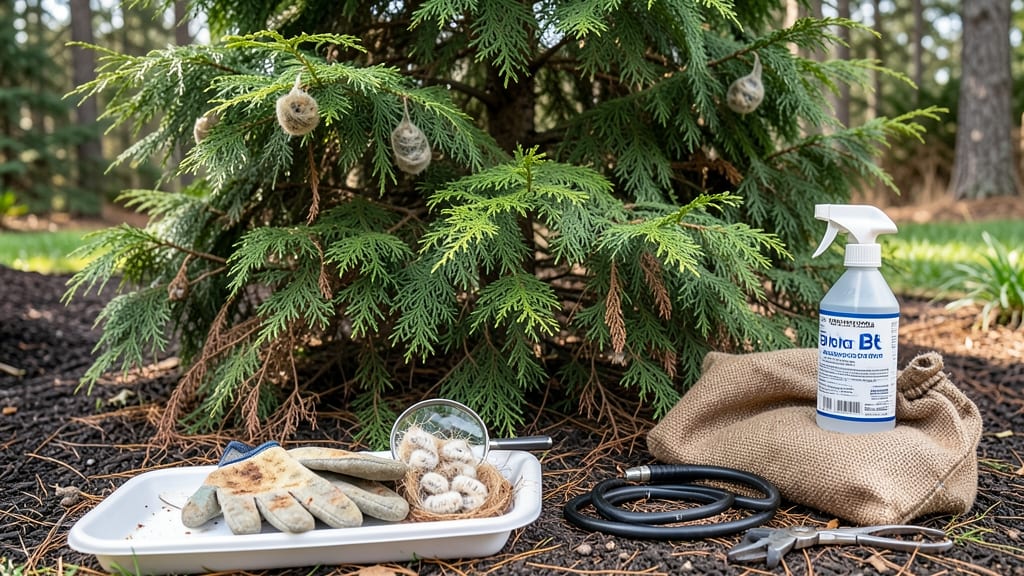
How to get rid of bagworms on evergreens—your evergreens look like they've been hit with a defoliator's worst nightmare. 🌲 Bagworms turn lush trees into skeletal shadows faster than you can say "fall cleanup," but this boiling water trick stops them dead in their tracks—literally.
I learned the hard way that bagworms aren't just ugly—they're relentless. These caterpillar critters spin protective cases that shield them from sprays, and by the time you spot them, they've already skeletonized entire branches.
The boiling water method works because it smothers them instantly without chemicals, and it's foolproof once you get the timing right.
You'll need a 5-gallon bucket, a sturdy ladder, and a helper to hold the tree steady. Pour boiling water directly onto the bags—watch them turn black and drop like hail.
Repeat every 10-14 days until no fresh bags appear, and your evergreens will bounce back with vibrant green needles within weeks.
Works best in late summer to early fall when bagworms are most active, but avoid this method in freezing temps. For severe infestations, combine with Bt spray (a natural bacteria) for extra insurance. Your trees will thank you—and your neighbors will ask how you pulled it off.
📚 In This Guide
- What you need
- Instructions
- Tips and common mistakes
- Wrapping up and next steps
What you need
- ● Boiling water: A large pot or kettle capable of holding at least 5 gallons of water. Keep it heated to 212°F (100°C) or higher for maximum effectiveness.
- ● Gloves: Heavy-duty gardening gloves (waterproof, long sleeves) to protect your hands from heat and rough branches.
- ● Safety goggles: To shield your eyes from splashes or debris.
- ● Pruners or shears: Sharp, bypass pruners (with a 4-6 inch blade) for trimming infested branches or removing nests.
- ● Ladder or step stool: A sturdy extension ladder (if trees are taller than 6 feet) or a foldable step stool for safety and reach.
- ● Bucket or watering can: A 5-gallon bucket or gallon-sized watering can for transporting boiling water (use caution—handle with insulated gloves!).
- ● Flashlight or headlamp: Essential for evening inspections when bagworms are most active.
- ● Trash bags: Heavy-duty contractor bags (30-50 gallon size) for disposing of removed nests and debris.
- ● Insecticidal soap or horticultural oil: A ready-to-use spray (like Safer® Brand Insect Killing Soap) for treating remaining eggs or light infestations.
- ● Duct tape or zip ties: To secure branches or mark treated areas for follow-up.
- ● Garden hose with nozzle: For rinsing down trees post-treatment (if using chemicals).
- ● Notebook & pen: To log infestation dates, treatment methods, and tree conditions for future reference.
Step-by-step instructions for eliminating bagworms on evergreens
This boiling water method works instantly and avoids harsh chemicals—here's how to apply it safely.
🌿 Step 1: Identify and Locate All Bagworm Infestations
Bagworms hide inside protective silk bags that resemble small twigs. Look closely at your evergreens for 1-2 inch cylindrical bags attached to branches. Shake the tree gently—if you see moth-like caterpillars dropping or bags opening slightly, you've found active nests. Focus on the outer edges of branches first, where infestations often start.
Use a 10x hand lens to spot tiny bags on new growth. I always check the south and west sides of trees first, as these areas receive more sun and attract more larvae. Mark each infested branch with a white flagging tape to track progress after treatment.
💧 Step 2: Prepare Boiling Water Solution
Fill a 1-gallon metal pot with water and bring it to a full rolling boil on your stove. The water must be 212°F or hotter to kill larvae instantly upon contact. I add 1 tablespoon of liquid dish soap to the boiling water—this helps break surface tension and ensures the solution penetrates the silk bags more effectively.
Keep the pot near your work area but away from flammable materials. Test the water temperature with a thermometer before pouring—if it's below 200°F, return it to boil. Never use this method on windy days; even a slight breeze can cause the boiling water to splash unpredictably.
☀️ Step 3: Apply Boiling Water Directly to Infested Areas
Carefully pour the boiling water directly onto the bagworm nests, aiming for the base where the bag attaches to the branch. The heat will kill larvae instantly and dissolve the silk casing. Work 2-3 feet away from the tree trunk to avoid scorching healthy foliage. I use a long-handled ladle to control the pour and prevent burns.
Repeat the process on all marked branches, ensuring the entire nest is saturated. You'll see steam rising from the bags and hear a slight sizzling sound—this confirms the larvae are being killed. Reapply after 7-10 days if you notice new bags forming, as some eggs may survive the initial treatment.
✂️ Step 4: Remove and Dispose of Dead Larvae
After the water has cooled, use gloves and pruning shears to cut off and remove all treated branches. Place them in a sealed plastic bag and dispose of them in the trash—not the compost—since bagworm eggs can survive decomposition. I double-bag the infested material to prevent any accidental release of larvae.
Inspect the tree again after 2 weeks for any remaining bags. If you find new activity, repeat the boiling water treatment or consider applying Bt (Bacillus thuringiensis) as a preventive measure. Healthy evergreens will show new growth within 4-6 weeks if the infestation was fully eradicated.
⏰ Step 5: Monitor and Prevent Future Infestations
Install 18-inch wide bands of aluminum foil around the trunks of treated trees in early spring. The foil creates a barrier that bagworm moths cannot cross when laying eggs. Check the foil monthly and remove any eggs or newly hatched larvae you find.
Encourage natural predators like birds and parasitic wasps by planting native shrubs nearby. I also apply a light horticultural oil spray in late winter to smother any overwintering eggs. Regular inspections during May and June catch new infestations before they spread.
Tips & tricks for eliminating bagworms effectively
Here's what I've learned from years of battling these pests—these tricks will make your treatment foolproof.
Precision Timing for Maximum Impact: The 7-10 day reapplication window is critical because some eggs may survive the initial treatment. I mark my calendar with a reminder so I don't miss this crucial second round—it's the difference between temporary relief and complete eradication. For severe infestations, consider adding a third treatment after 14 days to catch any late-hatching larvae.
Safety First with Boiling Water: Never attempt this method on windy days—the steam and splashes can cause serious burns. I always work on calm days and position myself downwind of the tree. Wearing long sleeves and gloves adds an extra layer of protection. If you're treating multiple trees, take breaks between batches to avoid overheating from the steam.
Visual Confirmation of Success: After applying the boiling water, look for these three signs of effective treatment: steam rising from the bags, a sizzling sound as the water hits the larvae, and darkened bags after cooling. If you don't see all three, you may need to reapply to the same areas. I keep a small notebook to record which branches I've treated and when, so I can track progress accurately.
Equipment Upgrade: While a basic ladle works, I recommend investing in a long-handled pouring spout (available at garden centers) for better control and safety. These spouts allow you to direct the boiling water precisely to the base of each bag without getting too close to the heat. The extra length also helps you maintain the required 2-3 feet distance from the tree trunk to protect healthy foliage.
Pro Tips for Get Rid Of Bagworms On Evergreens
- Here's what I've learned from years of battling these pests—these tricks will make your treatment foolproof.
- Precision Timing for Maximum Impact: The 7-10 day reapplication window is critical because some eggs may survive the initial treatment.
- Safety First with Boiling Water: Never attempt this method on windy days—the steam and splashes can cause serious burns.
Frequently asked questions
about bagworms on evergreens—because even the best-laid plans need a little troubleshooting! Here are answers to the most common queries to help you tackle these pests like a pro.When is the best time to treat bagworms with boiling water?
Timing is key! Apply the boiling water barrier in late summer or early fall (August–October) when bagworms are fully formed but haven’t yet pupated. This ensures you smother them before they can overwinter and return stronger. Avoid treating in spring—larvae are already feeding, and you’ll miss the window.
Will boiling water harm my evergreen trees or nearby plants?
When used correctly, boiling water is targeted and safe for evergreens like pine, spruce, or fir. Just avoid spraying directly onto foliage—focus on the trunk and branches where bagworms cluster. Keep it 1–2 feet away from non-target plants to prevent scalding. Always test a small area first!
What if boiling water doesn’t work? Are there other natural alternatives?
If bagworms persist, try these eco-friendly backups:
- Handpicking: Wear gloves, shake bags into a bucket of soapy water (especially effective for small infestations).
- Neem oil: Spray early in the season (May–June) to disrupt larval development. Reapply every 7–10 days.
- Bacillus thuringiensis (Bt): A microbial pesticide safe for humans and pets; apply when larvae are young (May–July).
- Prune and dispose: Cut heavily infested branches and bag them (literally!) to prevent reinfestation.
For severe cases, consider insecticidal soap or horticultural oil—just avoid synthetic chemicals near pollinators.
Why do bagworms keep coming back year after year?
Bagworms are prolific reproducers—a single female can lay 500–1,000 eggs! They also overwinter in their protective bags, so if you miss even a few, the cycle repeats. Consistency is critical: Treat every year in late summer/fall, and remove all bags (burn or trash them) to break their life cycle.
Do I need to wear protective gear when using boiling water?
Yes! Boiling water can cause severe burns, so:
- Wear long sleeves, gloves, and closed-toe shoes.
- Use a long-handled pitcher or pump sprayer to avoid splashes.
- Keep kids and pets at least 20 feet away during treatment.
- Work on a windless day to prevent accidental drift.
Think of it like handling hot oil—respect the heat!
Wrapping up and next steps
Getting rid of bagworms on evergreens doesn’t have to be a battle—just a strategic, eco-friendly approach! With the right tools and techniques, like the boiling water barrier method, you can smother these pests instantly and protect your trees.
Stay vigilant, act early, and your evergreens will thrive without a second thought. 🌲✨
Now that you’re armed with knowledge, take action today! Grab your supplies, inspect your trees, and tackle those bagworms before they spread. Your greenery—and your peace of mind—will thank you!