
Pests
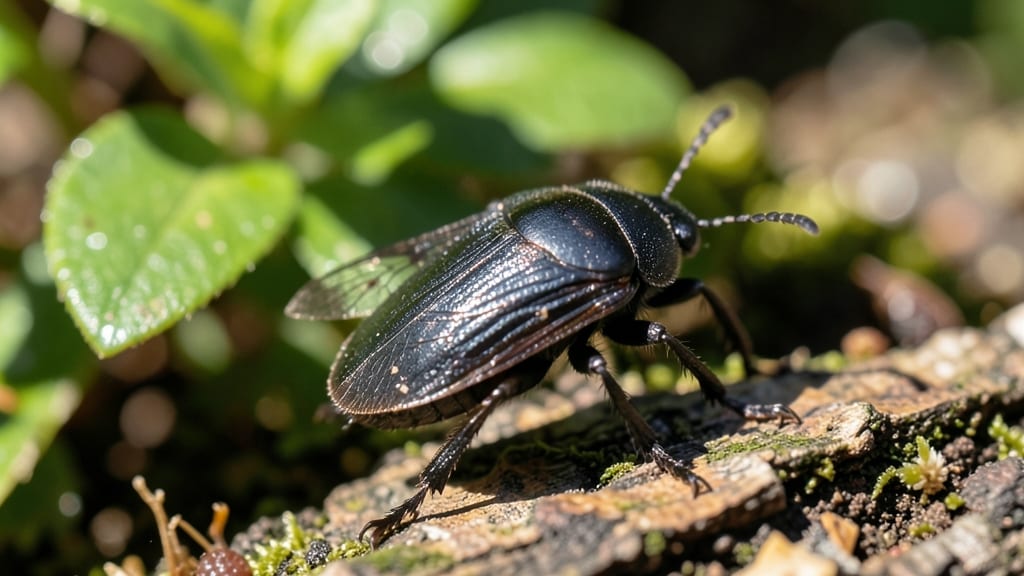
How to get rid of boxelder bugs outside your house—those shield-shaped invaders that cluster on your home in late summer. 🌿 I’ve battled these uninvited guests for years, and the secret isn’t harsh sprays but smart prevention and natural deterrents that actually work. These bugs target boxelder trees (and maples) but will swarm your home’s foundation, windows, and siding when looking for winter shelter. The key is cutting off their access: seal cracks, remove nearby trees if possible, and use diatomaceous earth around entry points—it’s non-toxic but deadly to them. Once you’ve blocked their entry, deploy yellow sticky traps near problem areas to catch stragglers. A strong blast of water from a hose can also dislodge clusters without chemicals. The goal? Make your home look like a bad neighborhood to these pests. This approach keeps your yard pest-free for years, not just one season. No chemicals, no guilt—just a home these bugs won’t want to visit. Let’s get started!
Why it happens
H2: Why Boxelder Bugs Invade Your Yard
Boxelder bugs—those shiny, red-and-black invaders—don’t just appear out of nowhere. Their presence in your yard is usually a sign of specific conditions that make your property an attractive (or accidental) buffet. Understanding why these pests show up is the first step to keeping them at bay.
Let’s break down the science behind their behavior and how your yard might be unknowingly inviting them.
🌳 Boxelder Trees Are Their Primary Food Source
Boxelder bugs (Boisea trivittata) have a very specific diet: they feed on the sap and seeds of boxelder trees (Acer negundo), as well as other maple species like ash and poison ivy.
If your yard—or a neighbor’s—has these trees, you’ve got a natural all-you-can-eat buffet for these bugs. Here’s why it’s a problem:
- Sap is their favorite snack: Boxelder bugs pierce tree bark to suck out sap, and they’re especially drawn to stressed or dying trees. If a boxelder tree is weak (due to drought, disease, or poor soil), it releases more sap, making it even more appealing.
- Seeds trigger mating season: When boxelder trees produce seeds (especially in late summer), the bugs flock to feed and reproduce. A single tree can host thousands of bugs during peak season.
- They don’t just stay on the tree: Once the tree’s resources dwindle (like in fall or winter), boxelder bugs seek shelter in nearby structures—including your house—to survive. Your home becomes a temporary hotel until spring.
Actionable takeaway: If you have boxelder trees, you’re not doomed—but you can manage their impact by reducing their appeal (more on that later!).
🏡 Your Home Offers Shelter and Warmth
Boxelder bugs are cold-intolerant. When temperatures drop below 50°F (10°C), they seek cozy, protected spaces to hibernate. Your house, garage, or shed becomes a prime real estate option because:
- Cracks and crevices are their hideouts: These bugs squeeze into tiny gaps—under siding, around windows, doors, or even in mulch near your foundation. A gap as small as 1/16 inch is enough for them to slip in!
- Sun exposure traps them: South-facing walls or sunny spots on your home’s exterior can overheat in the morning, luring bugs out of hiding to bask—only to get trapped when temps drop again.
- They’re social bugs: Boxelder bugs release pheromones to signal safe spots to their colony. Once a few find a good hiding place, hundreds more follow.
Pro tip: 🔍 Inspect your home’s exterior in late summer/fall for clusters of bugs near walls, eaves, or vents. These are their scouting missions before they move inside.
🌡️ Seasonal Changes Trigger Mass Migration
Boxelder bugs have a highly predictable life cycle, and their movements are tied to temperature and tree activity. Here’s how seasons play a role:
| Season | What’s Happening | Why It Brings Bugs to Your Yard |
|---|---|---|
| Spring | Adults emerge from hibernation, mate, and lay eggs on boxelder trees. | They’re active but not yet aggressive—yet. If you see them early, it’s a sign trees nearby are their host. |
| Summer | Nymphs (baby bugs) hatch and feed voraciously on tree sap. | Populations explode. Overcrowded trees push bugs toward your property for food or shelter. |
| Fall | Adults seek hibernation sites as temps drop. | Peak invasion season! Bugs swarm homes in mass numbers to escape frost. |
| Winter | Bugs remain dormant in hidden spots. | Your home becomes their unwanted winter retreat—until spring, when they’ll return to trees. |
Key insight: The worst timing for boxelder bug activity is September through November. If you’ve noticed them clustering outside now, they’re preparing to move in.
🌿 Landscaping Choices Accidentally Attract Them
Not all plants are created equal when it comes to boxelder bugs. Some landscaping features can unintentionally make your yard a magnet:
- Mulch piles near your foundation: Mulch retains moisture and warmth—perfect for bugs hiding near your home. Piles thicker than 2–3 inches create ideal hiding spots.
- Poison ivy or ash trees in the vicinity: While not their primary food source, these plants provide backup meals when boxelder trees are scarce.
- Dense shrubbery or woodpiles: These offer cover for bugs to move undetected toward your house. A woodpile leaning against your shed? Instant bug highway.
- Water sources (like birdbaths or leaky hoses): Bugs need hydration, and standing water near your home can concentrate their activity in one area.
💡 Landscape hack: Keep mulch 3+ feet away from your home’s foundation and trim back overgrown plants to reduce hiding spots.
Natural Ways to Banish Boxelder Bugs
Boxelder bugs may be a nuisance, but you don’t need harsh chemicals to evict them from your property. Below are practical, eco-friendly solutions tailored to the root causes of their presence—plus prevention tips to keep them from returning. Let’s tackle this step by step!
---
Boxelder bugs thrive in boxelder, maple, and ash trees. If these trees are nearby, they’ll keep returning. Here’s how to disrupt their life cycle:
- 🔪 Trim or Remove Infested Trees If possible, prune dead branches or remove small trees where bugs congregate. Focus on female boxelder trees (they produce seeds that attract bugs). Pro Tip: 💡 If removal isn’t an option, seal tree wounds with pruning paint to deter egg-laying.
- 🌡️ Disrupt Egg-Laying Sites Boxelder bugs lay eggs in tree bark crevices, siding, and under eaves. Scrape off eggs (they look like tiny orange capsules) in late summer/early fall before they hatch.
---
These bugs sneak in through tiny gaps. Stop them before they become a household problem:
- 🔧 Caulk Cracks & Gaps Use silicon caulk to seal: - Window and door frames - Foundation cracks - Gutter downspouts (where they hide in winter) Pro Tip: ✨ For extra defense, apply fine steel wool into gaps—bugs can’t crawl through it!
- 🚪 Install Door Sweeps A simple weatherstripping or door sweep can block bugs from slipping indoors.
---
Boxelder bugs are weak swimmers and dislike strong currents. Leverage this to your advantage:
- 💦 Blast Them with Water On warm days, hose down trees, siding, and eaves where bugs gather. The force will dislodge them. Warning: ⏰ Do this early morning—bugs are sluggish in cool temps and easier to remove.
- 🛡️ Create a Diatomaceous Earth Barrier Sprinkle food-grade diatomaceous earth (DE) around: - Foundation edges - Under decks - Tree bases How It Works: 🔥 DE dehydrates bugs on contact. Reapply after rain.
---
Skip the chemicals and opt for plant-based deterrents that bugs hate:
| Repellent | How to Use | Why It Works | |---------------------|----------------------------------------|------------------------------------------| | Citrus Peels | Crush and place near entry points | Strong scent masks pheromones bugs use | | Crushed Garlic | Mix with water, spray around perimeter | Overpowering odor repels them | | Neem Oil Spray | Spray on trees/siding (1 tbsp + 1 qt water) | Disrupts their exoskeleton | | Yellow Sticky Traps | Hang near trees (not indoors) | Catches bugs before they invade |
Pro Tip: 🎯 For traps, place them 3–4 feet off the ground—bugs fly low when seeking shelter.
---
Boxelder bugs are cold-blooded. Use temperature extremes to your advantage:
- ☀️ Solarize Problem Areas On sunny days, cover infested trees with clear plastic sheeting (secured with bricks). The trapped heat will kill eggs and adults within hours. Safety Note: ⚠️ Only do this on small, manageable areas—don’t risk fires!
- ❄️ Freeze Overwintering Bugs In late fall, rake leaves and debris where bugs hide. Store them in black trash bags and leave in the sun for a few days to bake, then freeze overnight. Dump them far from your home.
---
Once you’ve evicted them, keep them out with these habits:
✅ Keep Your Yard Tidy - Rake leaves, mulch, and debris weekly (bugs hide in organic matter). - Trim bushes away from your house’s foundation.
✅ Encourage Natural Predators - Birds, spiders, and parasitic wasps eat boxelder bugs. Install birdhouses or bat boxes to attract them.
✅ Monitor & Act Early - Check for bugs daily in fall (they’re most active then). - If you spot clusters, act fast—small infestations are easier to control.
✅ Use Mulch Alternatives - Avoid wood chips near your home—opt for gravel or rubber mulch (bugs dislike crawling on it).
--- Final Thought: 🌟 Consistency is key! Boxelder bugs are persistent, but combining physical barriers, natural repellents, and yard maintenance will send them packing—for good. No chemicals needed!
Frequently asked questions
Why do boxelder bugs cluster near my house in fall?
Boxelder bugs seek shelter when temperatures drop below 50°F (10°C). Your home provides warmth and protection from frost. They release pheromones to signal safe spots, causing hundreds to gather in cracks, eaves, or under siding. This is their hibernation strategy—they’ll stay until spring.
Are boxelder bugs dangerous or harmful?
No, they’re not dangerous to humans or pets, but they can be a nuisance. While they don’t bite or spread diseases, their droppings may stain surfaces. The real issue is their overwintering habit—if left unchecked, they’ll invade your home in large numbers. Think of them as unwanted houseguests with poor timing.
How do I know if boxelder bugs have already gotten inside?
Look for tiny black droppings near windows, baseboards, or light fixtures—this is their waste. You may also spot clusters of bugs in sunny spots (like windowsills) or hear them scuttling in walls. Check attics, garages, and crawl spaces where they hide during the day.
Will removing boxelder trees eliminate the problem?
Removing female boxelder trees (which produce seeds) can dramatically reduce bug populations, but nearby maples or ashes may still attract some. If removal isn’t possible, focus on pruning dead branches and sealing tree wounds to disrupt egg-laying. Even without trees, bugs may still visit—but fewer will stay.
How long does it take for natural methods to work?
Most natural solutions (like diatomaceous earth or yellow sticky traps) show results within 1–2 weeks of consistent use. For long-term control, combine sealing entry points with yard maintenance—this creates a multi-layer defense that keeps bugs away for the season. Patience is key!