
Pests
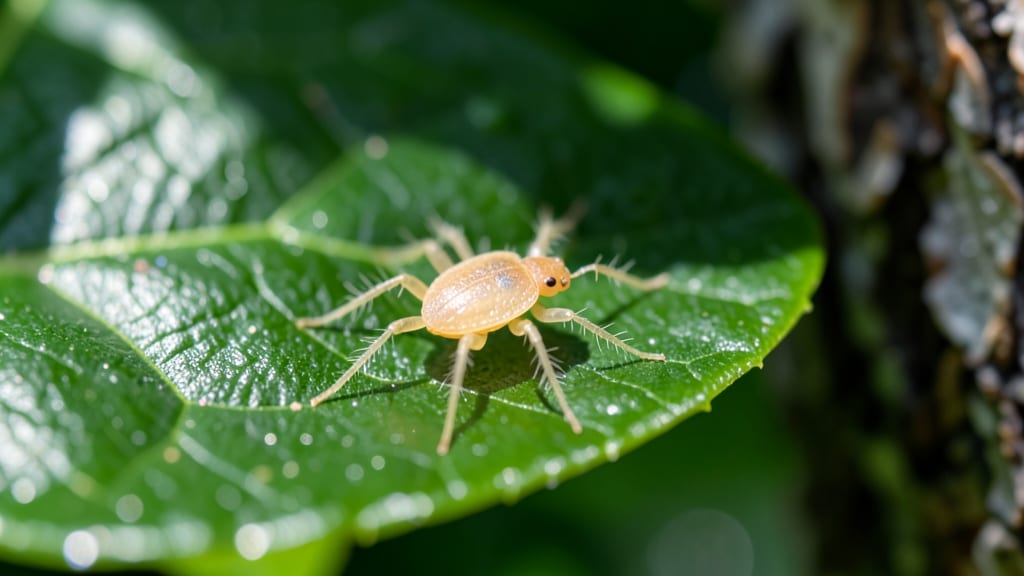
How to get rid of bugs on hibiscus naturally—those tiny invaders are stealing your hibiscus's energy—and your peace of mind. 🌿 The good news? A simple homemade spray made from kitchen staples can send pests packing in hours, no harsh chemicals needed. I learned this the hard way after my hibiscus leaves curled from spider mites. The spray—just soapy water, neem oil, and a splash of garlic—works by suffocating soft-bodied bugs while repelling others with its scent. No fancy tools required, just a spray bottle and 10 minutes of your time. By tomorrow, you'll see fewer sticky residues and more vibrant buds. The plants stay healthy, the bugs get confused, and your garden stays chemical-free. This method works on aphids, whiteflies, and even mealybugs—the usual hibiscus troublemakers. Best part? It's a preventive powerhouse too. Spray every 2-3 weeks during growing season, and those pests won't stand a chance. Your hibiscus will reward you with bold blooms all summer long.
Root Causes of Hibiscus Bugs
Hibiscus plants are stunning additions to gardens, but they can quickly become a buffet for pests if conditions align. Understanding why bugs target your hibiscus is the first step to preventing and treating infestations naturally.
Below, we break down the most common culprits and the science behind their attraction to your plant.
Hibiscus thrives in well-draining soil, but excess moisture turns its roots and leaves into a haven for sap-sucking insects and fungal gnats. Here’s why:
- Soft, waterlogged soil weakens the plant’s defenses, making it easier for pests like aphids and whiteflies to pierce stems and feed on sap.
- Stagnant water in saucers or poor drainage attracts fungal gnats, whose larvae feast on decaying organic matter in soggy soil.
- High humidity around the plant (from overwatering) creates ideal conditions for mealybugs and scale insects, which thrive in damp, sheltered environments.
Pro Tip: 💡 Let the top 1–2 inches of soil dry out between waterings, and ensure pots have drainage holes. If your hibiscus is in the ground, improve soil aeration with compost or perlite.
Bugs like spider mites and thrips are opportunists—they target hibiscus plants that are already stressed. Common stressors include:
| Stressor | How It Attracts Pests |
|---|---|
| Nutrient deficiencies (e.g., nitrogen or potassium lack) | Weak growth = easier access for pests to feed on tender new leaves. |
| Poor sunlight (shady spots) | Leggy, sparse foliage provides hiding spots for aphids and whiteflies. |
| Pesticide or chemical residue | Disrupts natural predators (like ladybugs), leading to pest explosions. |
Actionable Fix: 🌡️ Fertilize with a balanced, organic hibiscus feed (like fish emulsion or compost tea) and move plants to 6+ hours of sunlight daily to bolster their resilience.
Hibiscus leaves contain sugary sap and volatile organic compounds (VOCs) that act like dinner bells for pests. Here’s the breakdown:
- Aphids and whiteflies are drawn to the high sugar content in hibiscus sap, which they suck directly from stems and undersides of leaves.
- Mealybugs and scale insects produce a waxy coating that camouflages them—hibiscus’s soft, fuzzy leaves provide perfect hiding spots.
- Spider mites thrive on hibiscus because its fine hairs trap moisture, creating a microclimate they love.
Natural Deterrent: 🎯 Spray leaves with neem oil (1 tsp per quart of water) to disrupt pests’ feeding signals and deter egg-laying.
In a healthy ecosystem, natural predators like ladybugs, lacewings, and parasitic wasps keep hibiscus pests in check. But if your garden lacks biodiversity, bugs go unchecked:
- Monoculture gardens (only hibiscus) offer no alternative food sources for predator insects.
- Harsh pesticides wipe out both pests and their predators, creating a vacuum that pests rush to fill.
- Isolated plants (e.g., potted hibiscus) have fewer opportunities for predators to find them.
Solution: ✨ Plant companion flowers like marigolds or dill nearby to attract predator insects, or introduce compost tea to boost soil microbes that support beneficial bugs.
Natural Fixes for Hibiscus Bugs
Now that you know what’s munching on your hibiscus, let’s tackle those pests with safe, chemical-free solutions that work fast and protect your plants long-term. Below, we’ve matched common hibiscus pests with their best natural remedies—plus tips to keep them away for good.
---
Fix: These sap-sucking pests cluster on new growth, leaving sticky residue (aka "honeydew"). Here’s how to evict them:
1. 💦 Blast Them Off - Fill a spray bottle with soapy water (1 tsp mild dish soap + 1 quart water). Spray directly on aphids until they drop.
Repeat every 3–4 days until gone. - Pro tip: 🌡️ Timing matters—spray in the early morning or evening to avoid harming beneficial insects like ladybugs.
2. 🌿 Neem Oil Spray (Best for Heavy Infestations) - Mix 1 tbsp neem oil + 1 tsp mild soap + 1 quart water. Shake well and spray undersides of leaves (where aphids hide).
Reapply weekly. - Why it works: Neem oil disrupts aphids’ life cycle and repels them with its bitter taste.
3. 🐞 Encourage Natural Predators - Attract ladybugs, lacewings, or parasitic wasps by planting dill, fennel, or marigolds nearby. These bugs love aphids for breakfast!
Prevention: - 🌱 Prune regularly to remove crowded growth (aphids adore tight spaces). - 💧 Water at the base—avoid wetting leaves, which creates a sticky aphid buffet.
---
Fix: These red/yellow specks spin webs and drain your hibiscus of moisture. Fight back with:
1. 🍃 Water Spray Shock Treatment - Hose them down with a strong stream of water (they hate humidity!). Do this 2–3 times a week during dry spells. - Pro tip: 💡 Mites thrive in dry heat—keep your hibiscus consistently moist to deter them.
2. 🧴 Oil-Based Spray (Prevents Eggs from Hatching) - Combine 1 tbsp horticultural oil + 1 tsp soap + 1 quart water. Spray thoroughly, including stems and leaf undersides. Repeat every 5–7 days.
3. 🌿 Companion Planting - Plant basil, lavender, or rosemary nearby—spider mites avoid these strong scents.
Prevention: - ✨ Dust off leaves weekly with a soft brush to remove webs. - 🌞 Avoid over-fertilizing—too much nitrogen attracts mites.
---
Fix: These tiny white moths flutter away when you disturb leaves. Trap and eliminate them with:
1. 🕯️ Yellow Sticky Traps - Hang yellow cards coated with petroleum jelly near your hibiscus. Whiteflies are drawn to yellow and get stuck. - Pro tip: 🔥 Check traps daily—remove trapped bugs to prevent mold buildup.
2. 🌿 Soap & Water Spray (Knocks Them Off) - Mix 1 tbsp castile soap + 1 quart water. Spray directly on leaves (they’ll drop to the ground). Repeat every 2–3 days.
3. 🌿 Neem Oil or Insecticidal Soap - Spray neem oil solution (as above) 2–3 times a week until no more flies appear.
Prevention: - 🌿 Inspect new plants before bringing them home—whiteflies hitchhike! - 🌱 Space plants apart to improve airflow (they love crowded, humid spots).
---
Fix: These white, fluffy pests hide in leaf crevices. Scrub them off with:
1. 🧼 Soapy Water Scrub - Dip a soft toothbrush in soapy water and gently scrub mealybugs off leaves and stems. Rinse with clean water. - Pro tip: 🔪 For stubborn clusters, use 70% isopropyl alcohol on a cotton swab (test on a small leaf first).
2. 🌿 Rubbing Alcohol Spray (Fast Kill) - Mix 1 part rubbing alcohol + 3 parts water + a drop of soap. Spray directly on mealybugs. They’ll dry out in minutes! - Caution: Avoid spraying flowers (alcohol can damage petals).
3. 🐝 Release Predatory Beetles - Introduce Cryptolaemus montrouzieri (mealybug destroyer) beetles—these guys devour mealybugs and their eggs.
Prevention: - 🌿 Check under leaves weekly—mealybugs love hiding in folds. - 🌱 Avoid overwatering—they thrive in damp, sheltered spots.
---
Fix: These brown/brownish bumps stick to stems and leaves. Peel them off with:
1. 🧴 Scrape Them Off - Use a soft cloth or toothbrush dipped in rubbing alcohol to wipe off scale. Repeat every 5–7 days until gone.
2. 🌿 Horticultural Oil Smother - Spray horticultural oil (as above) to suffocate eggs and adults. Reapply every 7–10 days.
3. 🐞 Beneficial Wasps - Encourage parasitic wasps (like Encarsia formosa)—they lay eggs inside scale insects, killing them from within!
Prevention: - 🌱 Prune infested branches immediately and dispose of them in sealed bags. - 🌿 Keep hibiscus healthy—stressed plants attract more scale.
---
No matter the pest, these habits keep hibiscus bugs away for good: - 🌿 Inspect plants weekly—catch pests early! - 💧 Water in the morning—wet leaves at night invite fungal issues. - 🌱 Rotate companion plants (like marigolds, basil, or garlic) to confuse pests. - 🧹 Clean up debris—fallen leaves and stems harbor eggs.
--- Final Thought: 🎯 Consistency is key—most natural remedies take 1–2 weeks to fully eliminate pests. Stick with it, and your hibiscus will bloom bug-free in no time!
Frequently asked questions
Why does my hibiscus keep getting bugs even after I spray it?
Pests often return if their eggs survive treatments or if the plant remains stressed. Always spray undersides of leaves (where eggs hide) and repeat every 5-7 days for 2-3 weeks. Also check for hidden stressors like overwatering or poor sunlight that attract bugs.
Can I use garlic spray on hibiscus bugs?
Blend 4 garlic cloves + 1 quart water, strain, and add 1 tsp soap. Spray on leaves—garlic's sulfur compounds repel pests naturally. For stronger results, mix with neem oil (1 tsp per quart). Reapply every 3-4 days until bugs disappear.
Will coffee grounds help with hibiscus pests?
Yes, but use them carefully. Sprinkle used coffee grounds around the base of your plant—the caffeine acts as a natural insect repellent. Avoid piling them directly against stems (can cause mold). For best results, mix with neem oil spray and apply weekly during pest season.
How do I know if my hibiscus bugs are bad enough to call a pro?
If you've tried natural remedies for 4+ weeks with no improvement, or if you see large infestations (like webs covering leaves or thousands of whiteflies), it's time to consult a local organic pest control expert. Severe cases may need targeted biological treatments.
Can I use the same spray on my other tropical plants?
Most natural sprays (like neem oil or soapy water) are safe for tropical plants, but always test a small leaf first. Hibiscus, bougainvillea, and jasmine respond well, but avoid citrus plants (neem can cause leaf burn). For sensitive plants, dilute solutions to half-strength.